Say “1920s women’s fashion” and the cloche usually comes to mind first. Its deep crown and low brim fit neatly over the short hairstyles of the decade, and old photographs made it one of the easiest hats to recognize today. But women did not spend the entire decade wearing one basic shape. The 1920s fashion changed quickly. Hemlines rose, hair got shorter, sportswear became more common, and hats changed right along with everything else.
In this article
Women wore soft tams and turbans, stiff sailors, turned-up Breton brims, broad picture hats, small toques, sporty berets, and revived shapes borrowed from much older fashions.
Some hats hugged the head closely, while others stretched well beyond the face. Hat designers played with straw, felt, velvet, ribbon, feathers, flowers, and unusual braids, and newspaper fashion columns regularly treated the hat as one of the most noticeable parts of an outfit.
This article looks beyond the familiar cloche at twelve hat styles women actually wore during the 1920s. Using period newspapers, library collections, and other historical sources, we will see how each shape looked, when it appeared, and what made it different from the others. So let's get started.
1. The Toque
The toque gave women a neat hat without the cloche’s bell-shaped outline. What made the toque special was how it sat on the head; while most iconic hats of the decade were pulled down low over the eyebrows, the traditional toque was worn higher up, leaving the forehead exposed.
The Toque hat was a popular choice for mature women who wanted to look elegant but had no interest in dressing like a rebellious flapper.
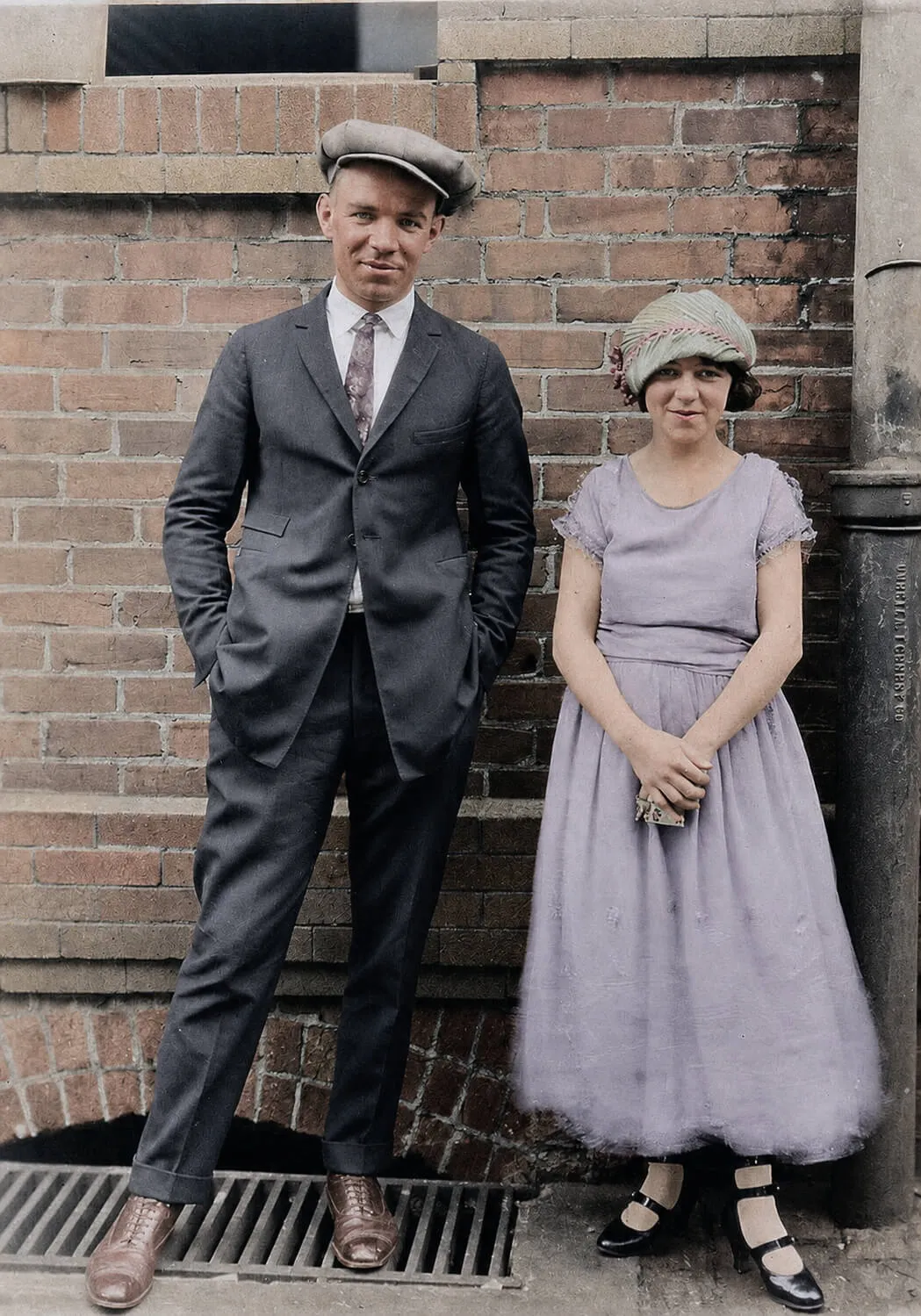
It was a small design with little or no visible brim that featured a fuller, more relaxed crown. Hat makers used fabric, embroidery, feathers, metallic thread, and other trim to give these small hats more character.
Toques generally came in two main styles. One was structured and made with stiff panels that helped the hat keep its shape. The other was soft and slouchy, often made from fabrics like velvet or satin that fell into loose folds.

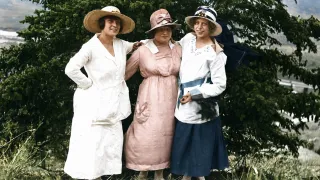
Celia Cooney’s toque in the 1924 photo above is a good example of the softer type, with gathered fabric creating a rounded, slightly puffed crown. For cold winter weather, both styles could also be trimmed or lined with thick fur for extra warmth.
This hat style, however, was not invented in the 1920s. To see just how old this style is, the Wikipedia page on the toque traces it back to Renaissance court fashion, long before it became a popular women’s hat in the 20th century.
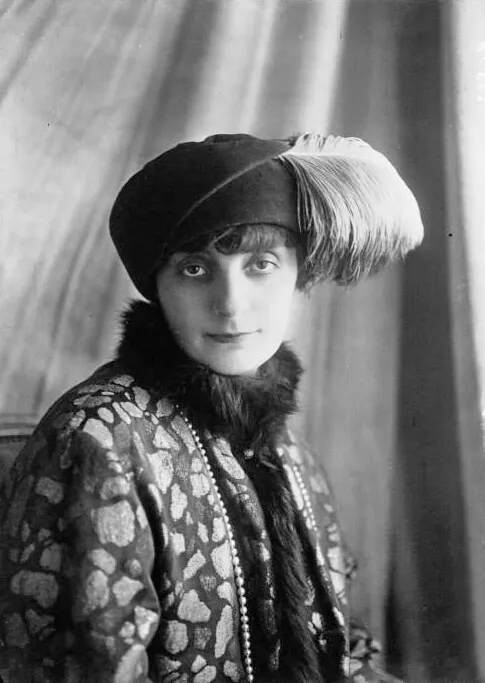
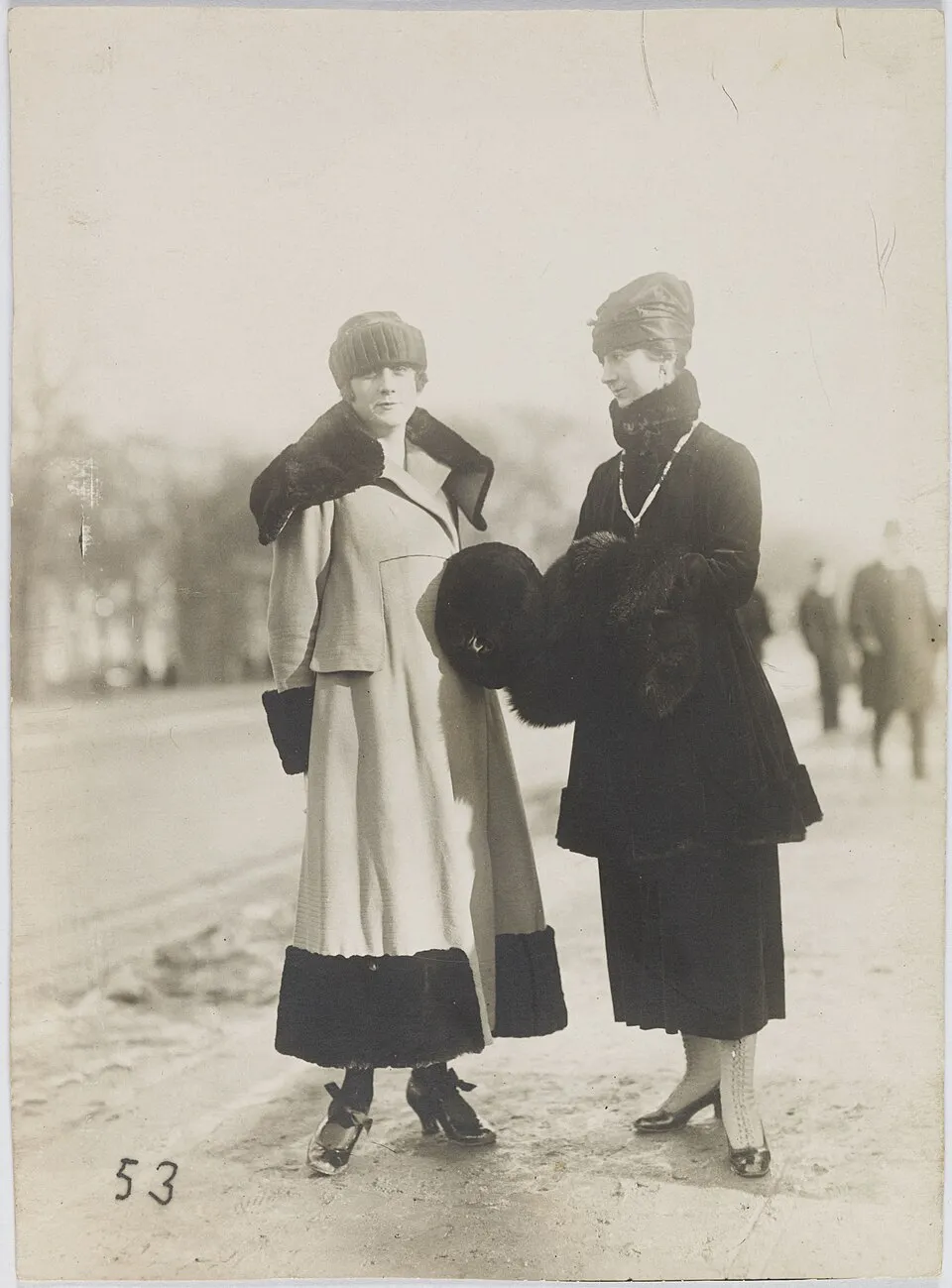
In 1920s, French designers created some striking versions of the Toque hat. Jean Patou made a wool-and-silk toque around 1920, while other old examples from the decade used silk, satin (as shown in the image above), taffeta, tulle, and metallic embroidery. Some had almost no brim at all, while others had a narrow edge turned upward.
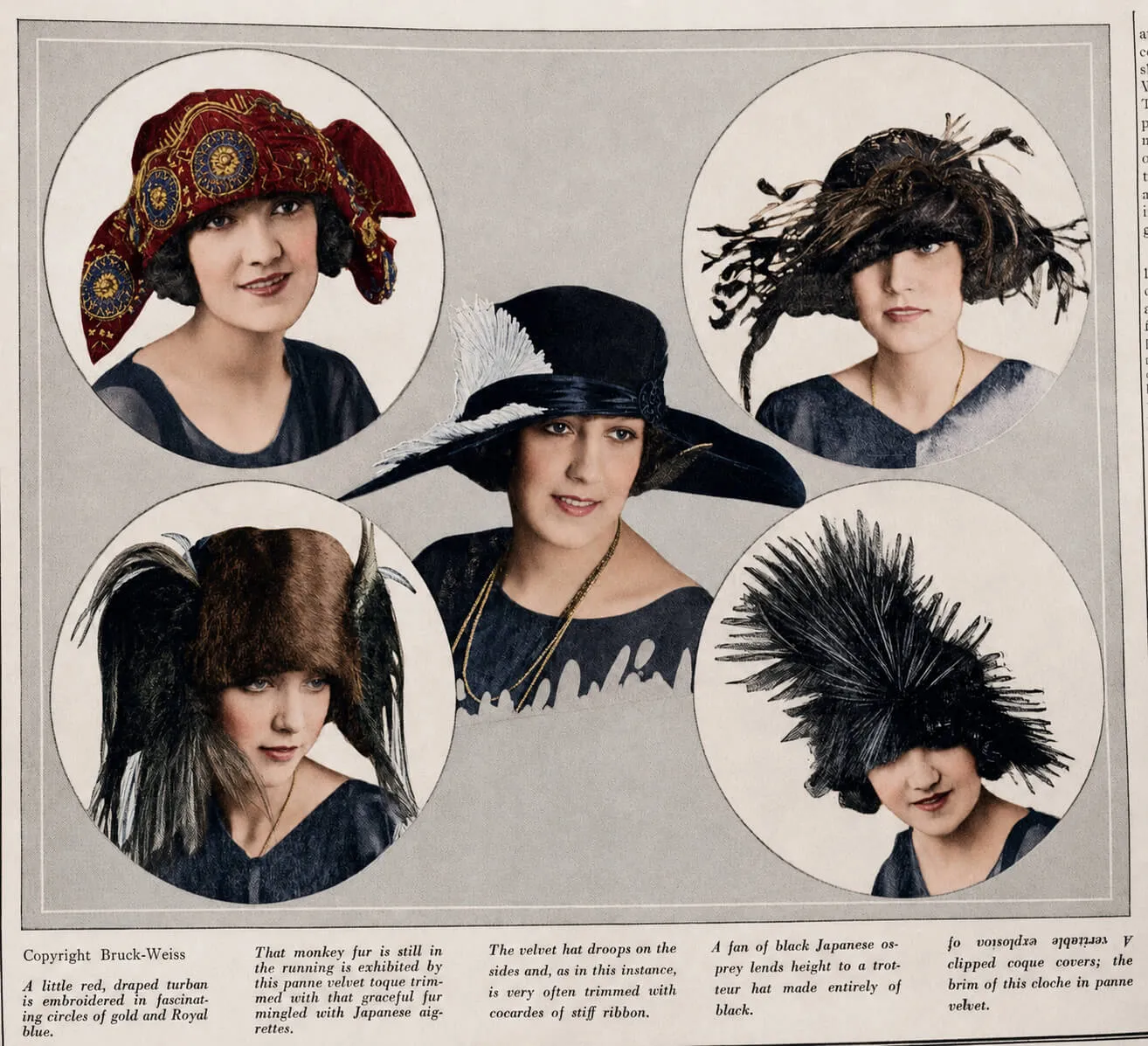
Period examples show how decorative these hats could become. A 1922 Eugene Daily Guard fashion page pictured a panne velvet toque trimmed with fur and feather ornaments. These were not plain little caps. Hat designers used texture and raised decoration to give the hat height and interest without adding a broad brim.
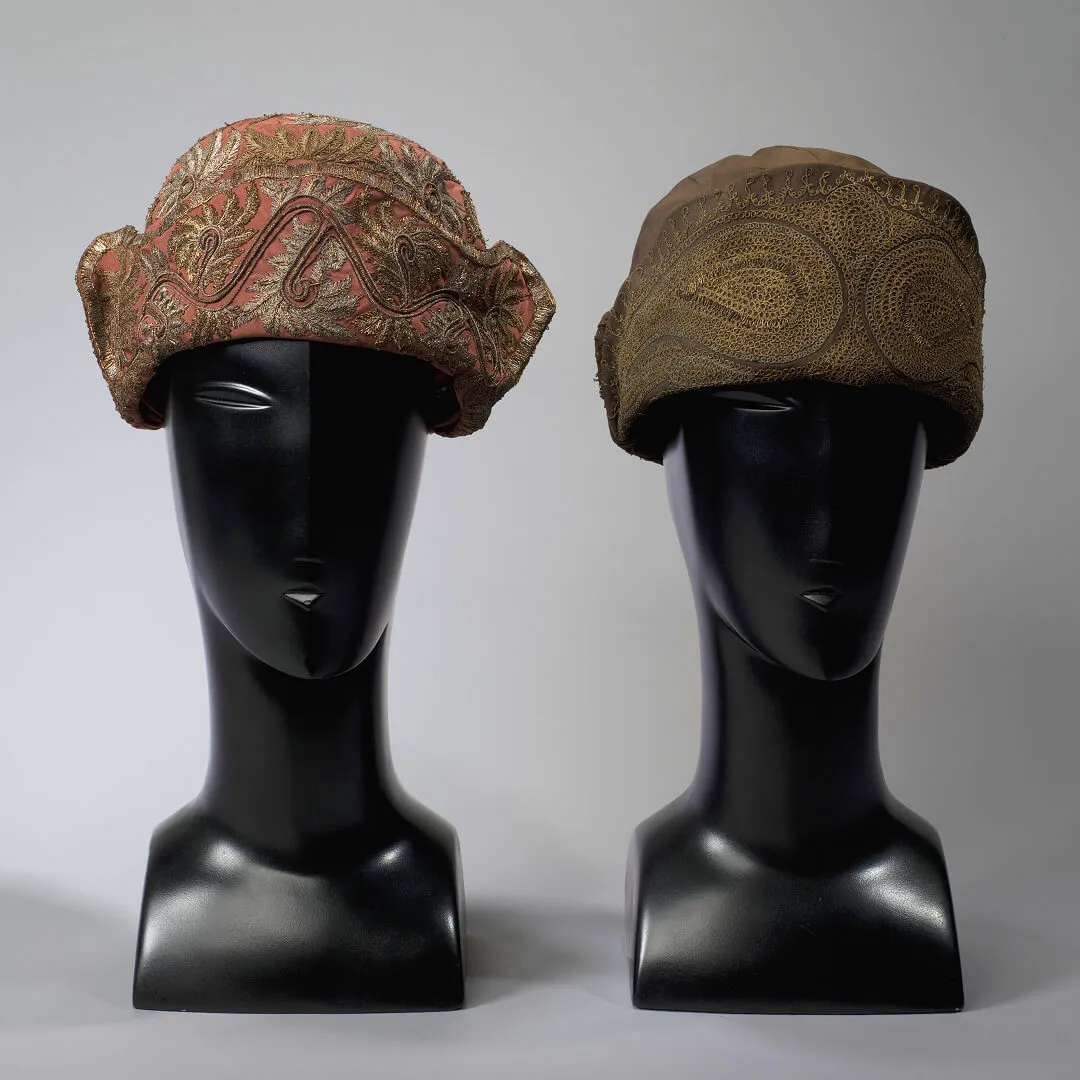
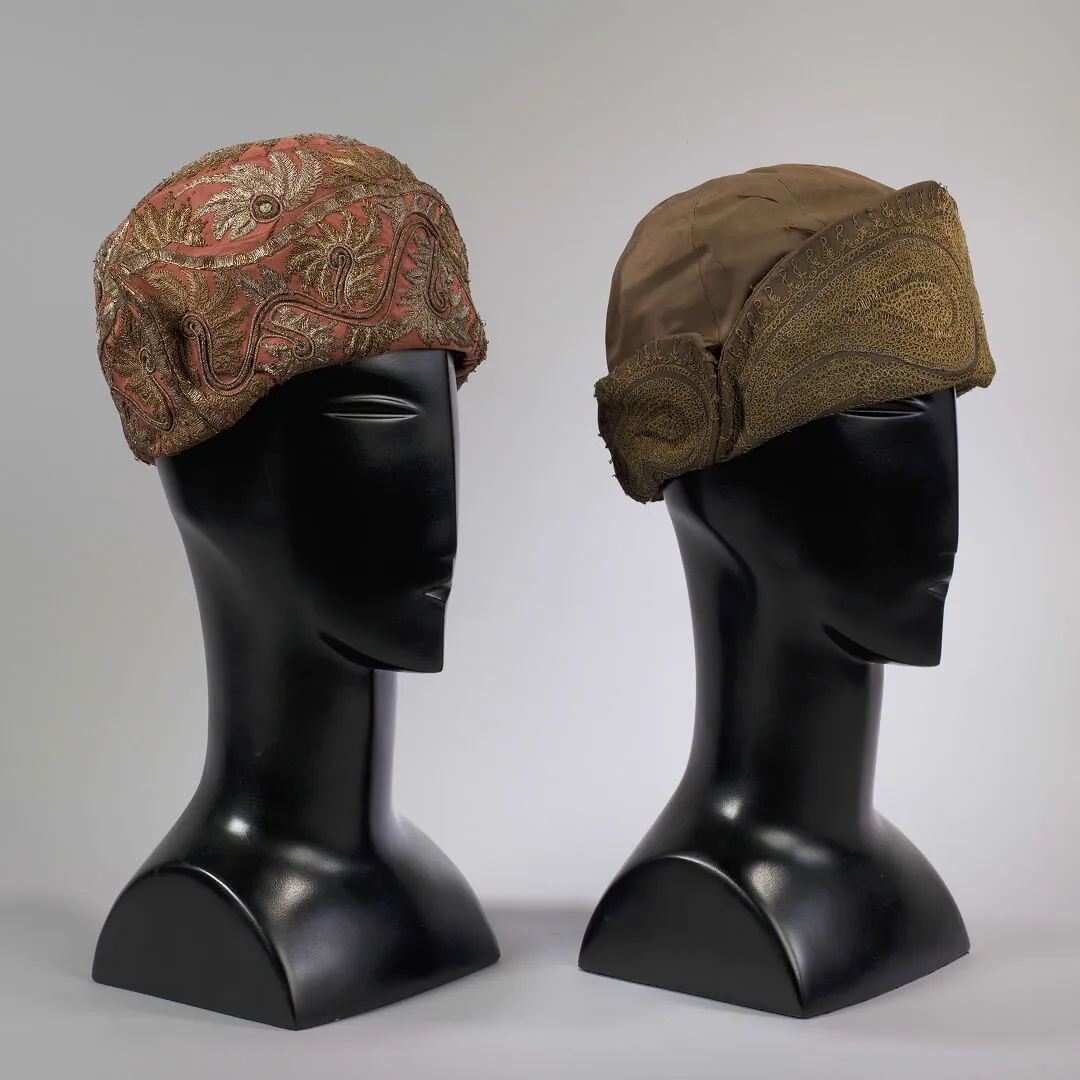
The small size did not mean the toque had to look plain. Rose Descat made 1920s examples with rounded crowns, embroidery, and gold-colored metal thread. These details could make a compact hat look just as decorative as much larger styles.
2. Picture Hat and The Gainsborough Hat
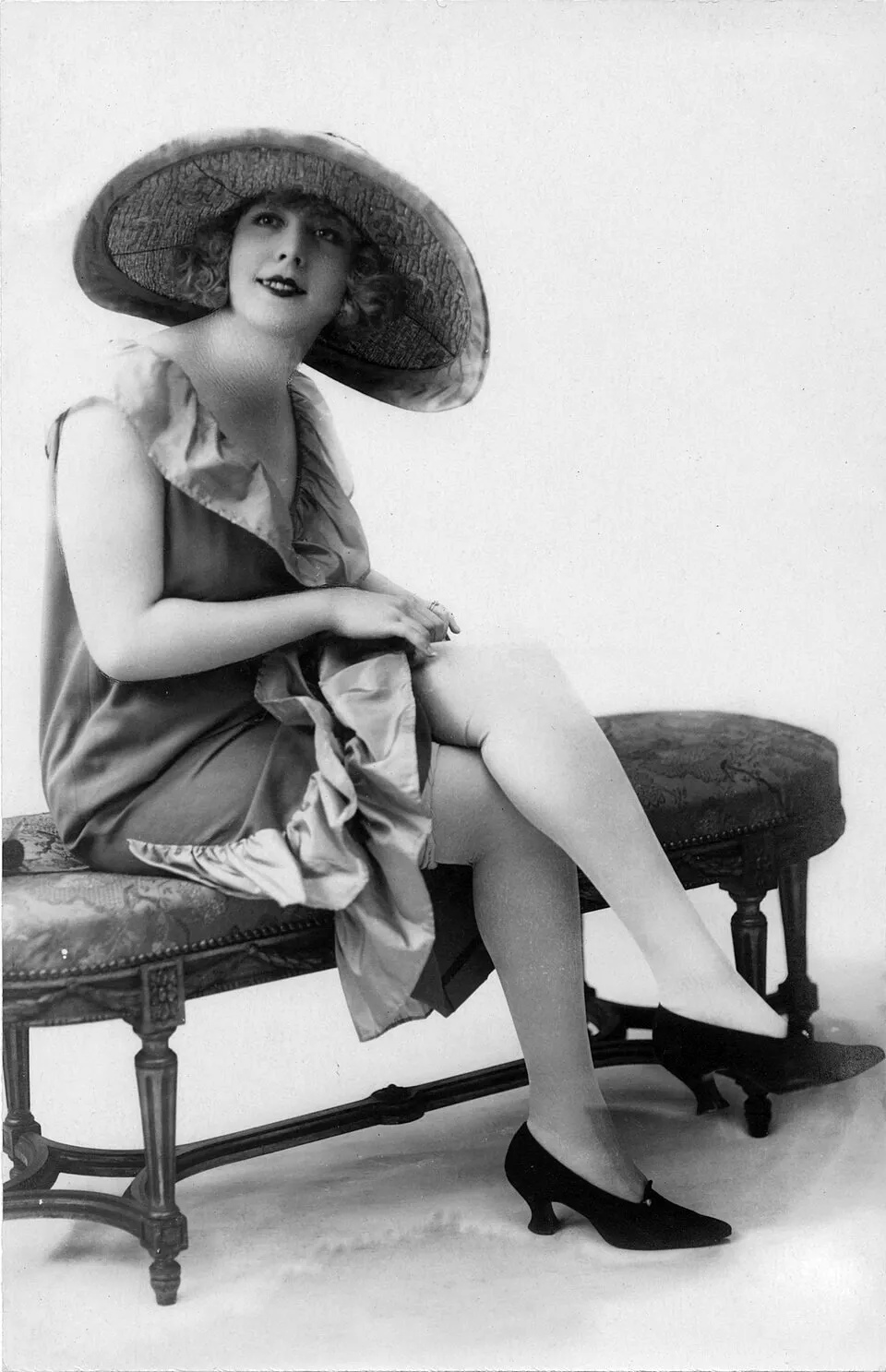
Now this is by far our favorite hat style from the 1920s. Picture hats brought back the kind of wide, face-framing brim that looked completely different from the close-fitting cloche. Some were fairly simple, while others were decorated with flowers, ribbons, or other trim.
The Gainsborough hat took that idea much further. Inspired by the large hats seen in portraits by 18th-century painter Thomas Gainsborough, these hats were usually more dramatic, with sweeping brims and heavier decoration such as large feathers, flowers, ribbons, and ornaments.
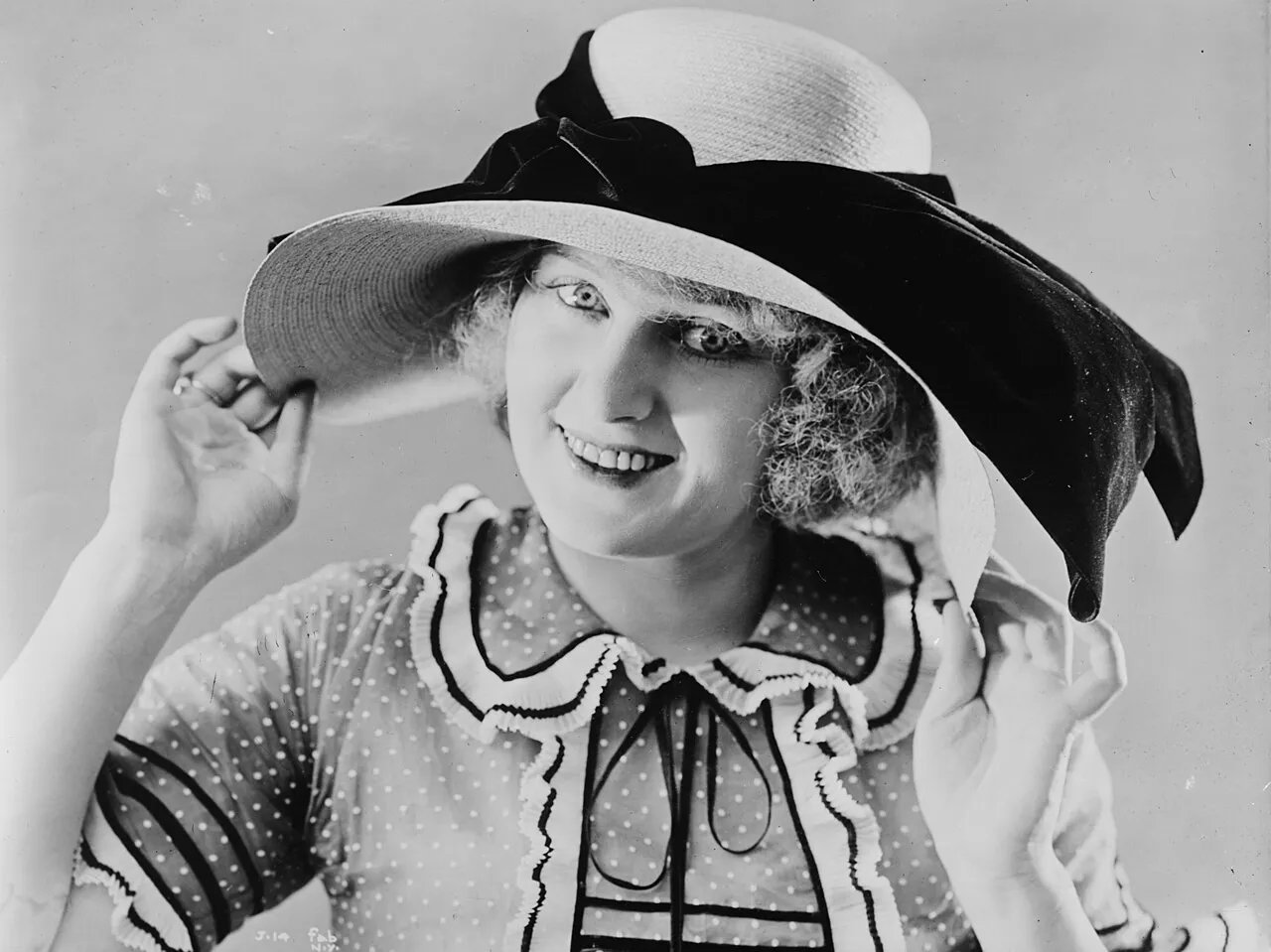
The difference between the two is that a picture hat is any decorative wide-brimmed hat designed to frame the face, while a Gainsborough hat is a more dramatic version inspired by 18th-century portrait styles, usually with larger feathers and richer decoration.
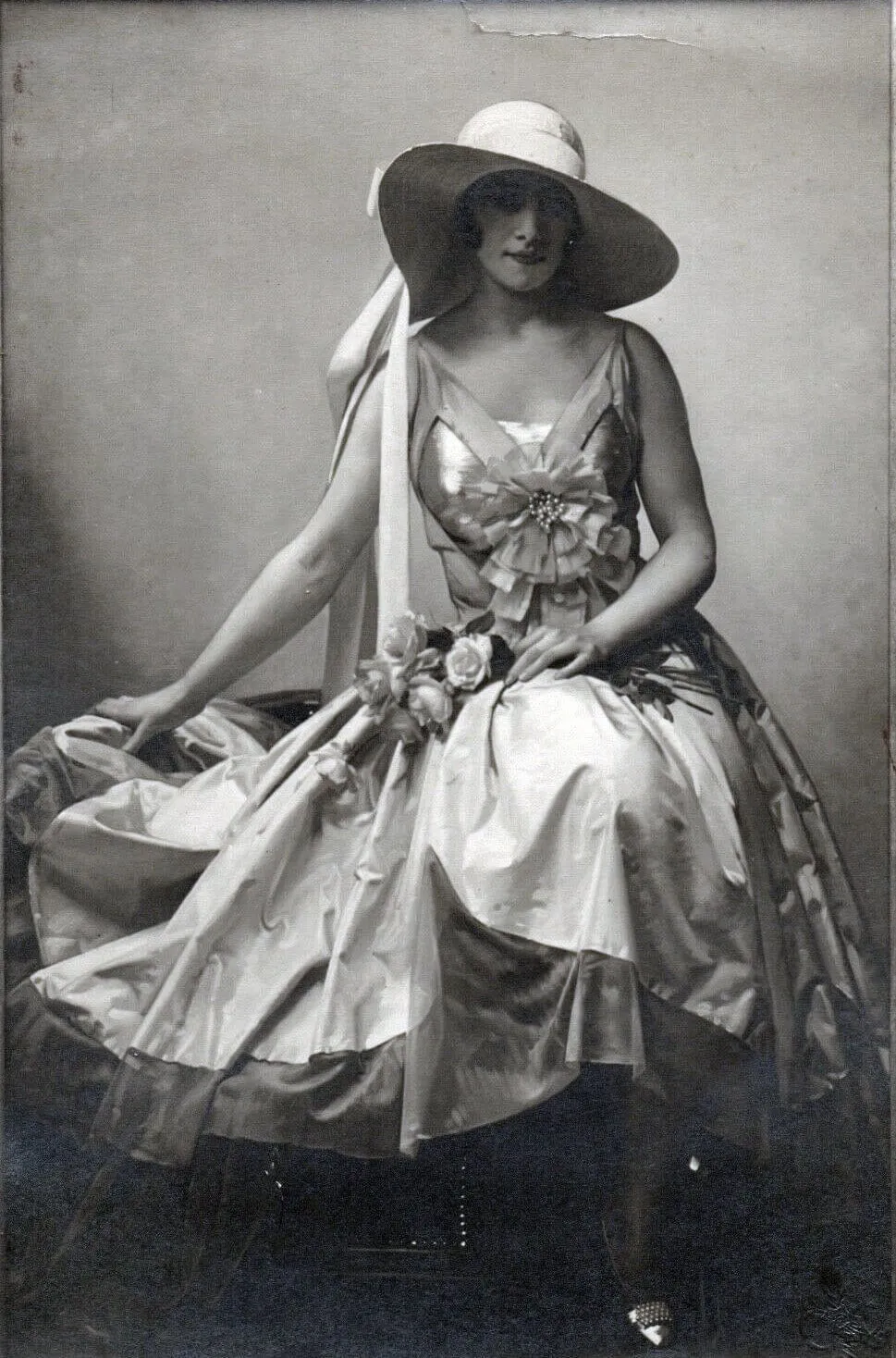
The two are often confused because both have broad brims and were worn as elegant statement hats. Wide-brimmed hats had already been fashionable before the 1920s, but they did not disappear when smaller hats took over. Women still wore picture hats and Gainsborough-style hats when they wanted something dressier or more noticeable.
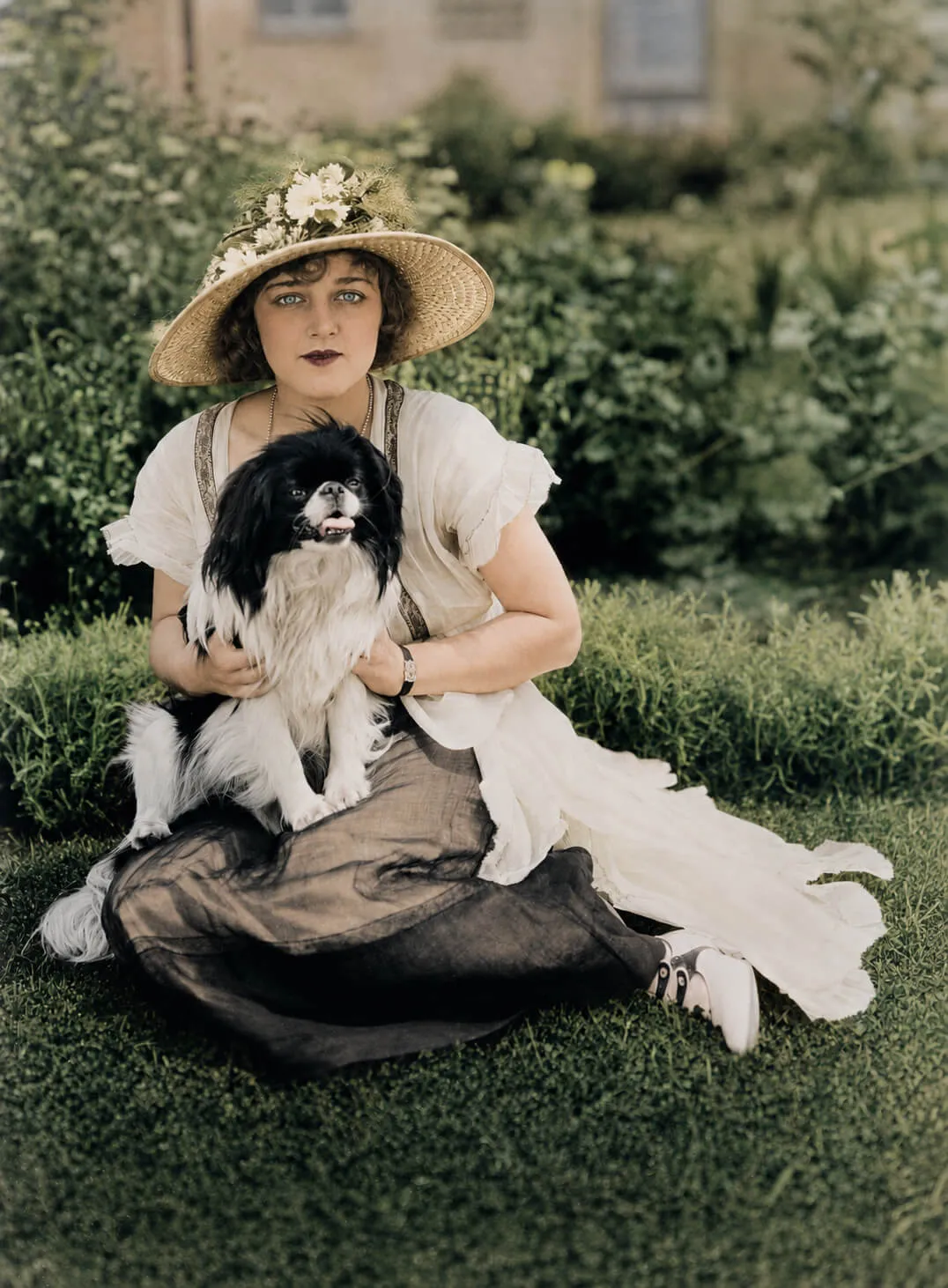
Despite their size, these hats could be surprisingly light. Paul Poiret created a picture hat around 1921 from horsehair and cotton, while an American example from 1927–28 used silk, horsehair, and wire. These materials helped hold the wide brim in place without making the hat look bulky.
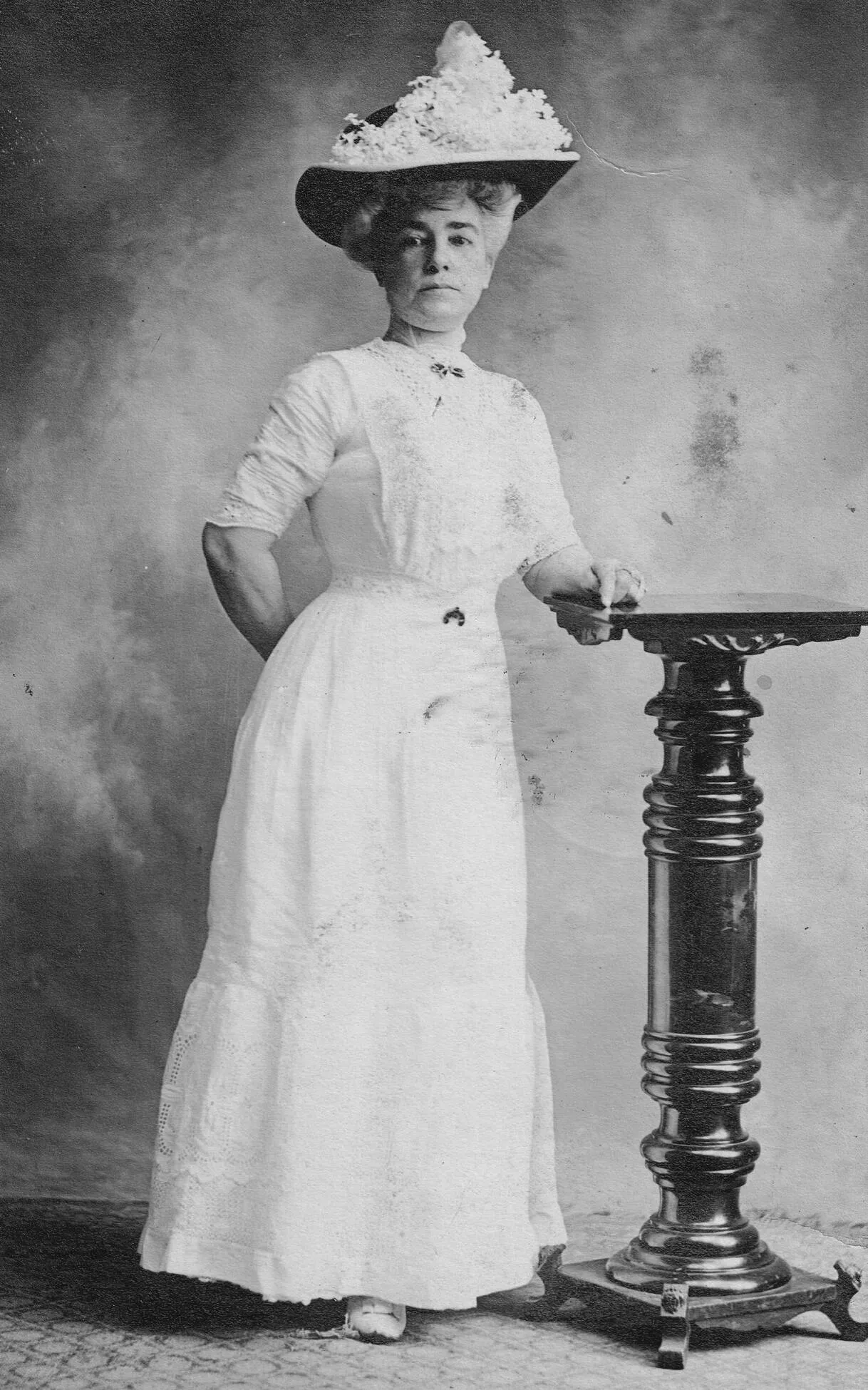
3. The Tam o’Shanter
The Tam-o-Shanter had a soft, full crown gathered into a fitted band around the head. The crown could puff out, fall to one side, or sit in loose folds rather than holding a stiff shape. The style came from the traditional Scottish cap, but by the early 1920s it had become part of women’s fashion. A 1921 comparison of American and English fashion listed the Tam-o’-Shanter among the main hat shapes worn by American women.
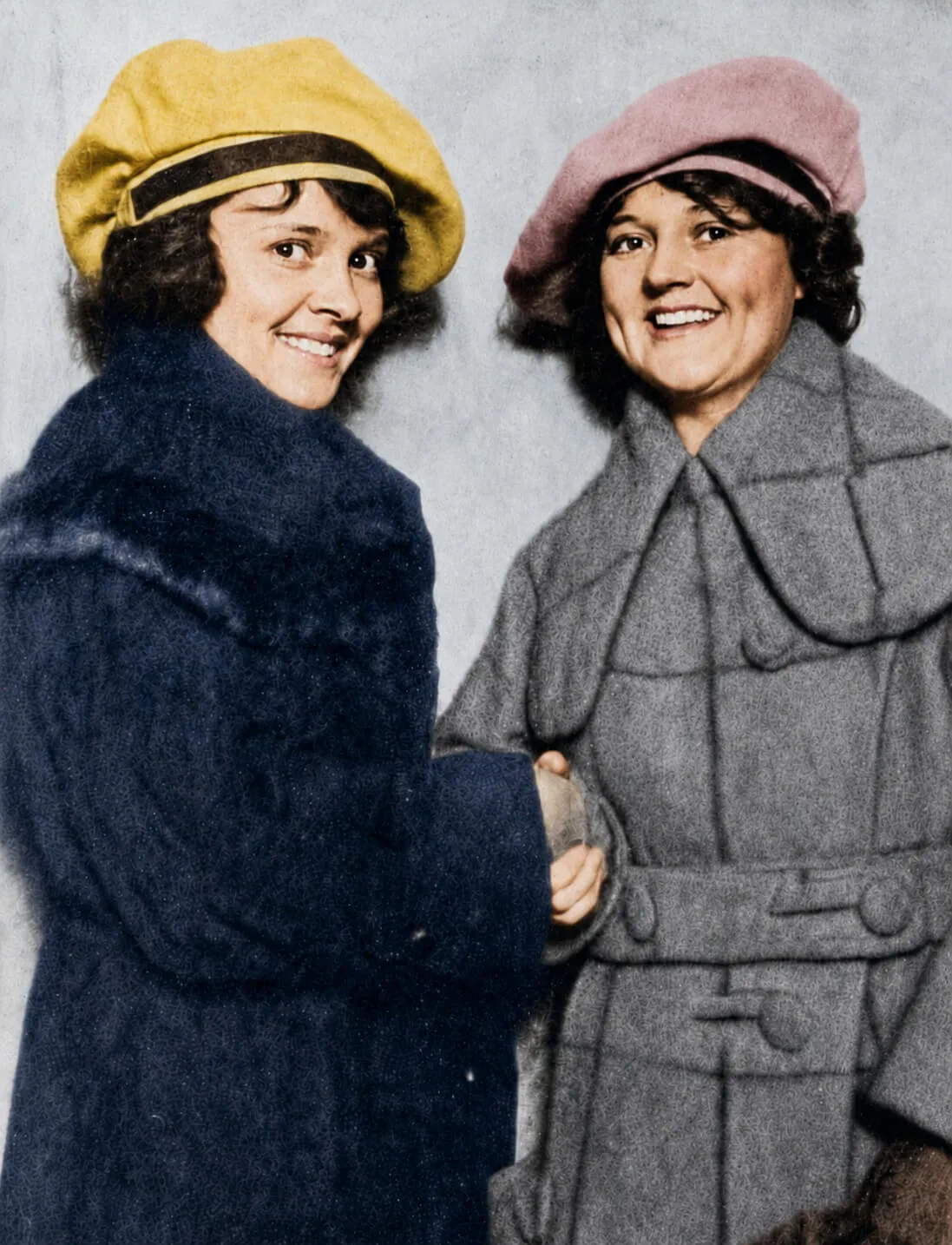
Tams were also simple enough to make at home. In 1922, a Georgia home demonstration agent taught local women to make Tam-o’-Shanter caps. This made the style more accessible than hats that depended on stiff frames or professional hat work.
Decoration varied widely. In 1922 the Dannevirke Evening News described a flat woolly tam covered with large chenille daisies and suggested colors such as peacock blue and soft rust red. Another version used bright cloth with embroidery in matching chenille or silver-colored cord. The broad, soft crown gave designers plenty of space for decoration without needing a large brim.
4. The Mushroom Hat
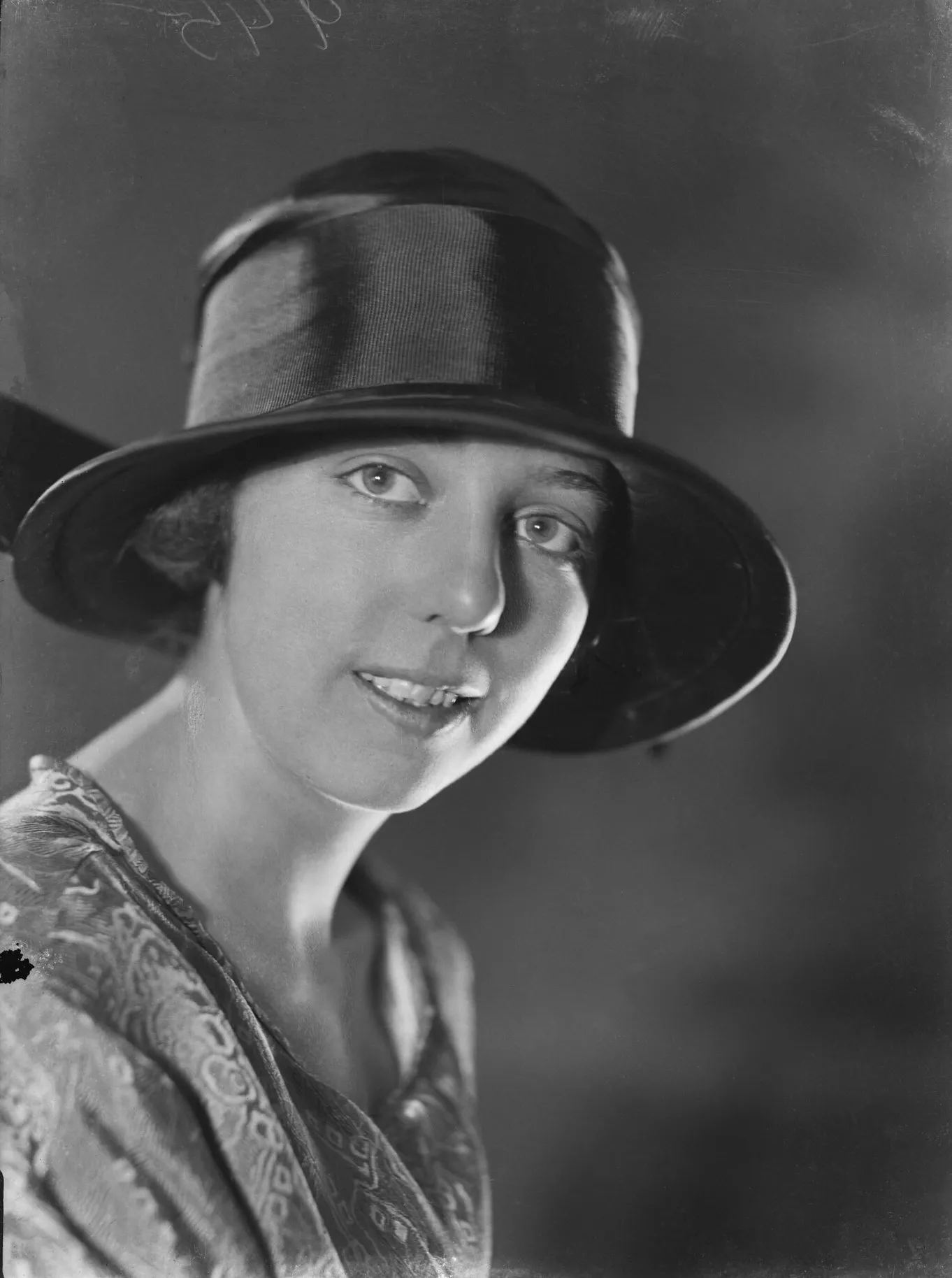
The mushroom hat had a rounded brim that curved down around the face, giving it a shape similar to a mushroom cap. Women had worn versions of the style before the 1920s, and it stayed fashionable throughout the decade. Some sat close to the head, while others had much wider brims, so the mushroom hat could take several different forms.
Women wore mushroom hats with both sports clothes and dressier outfits. A 1921 issue of Good Housekeeping paired one with a camel's-hair sports coat, while another issue that year suggested the style for a weekend wardrobe.
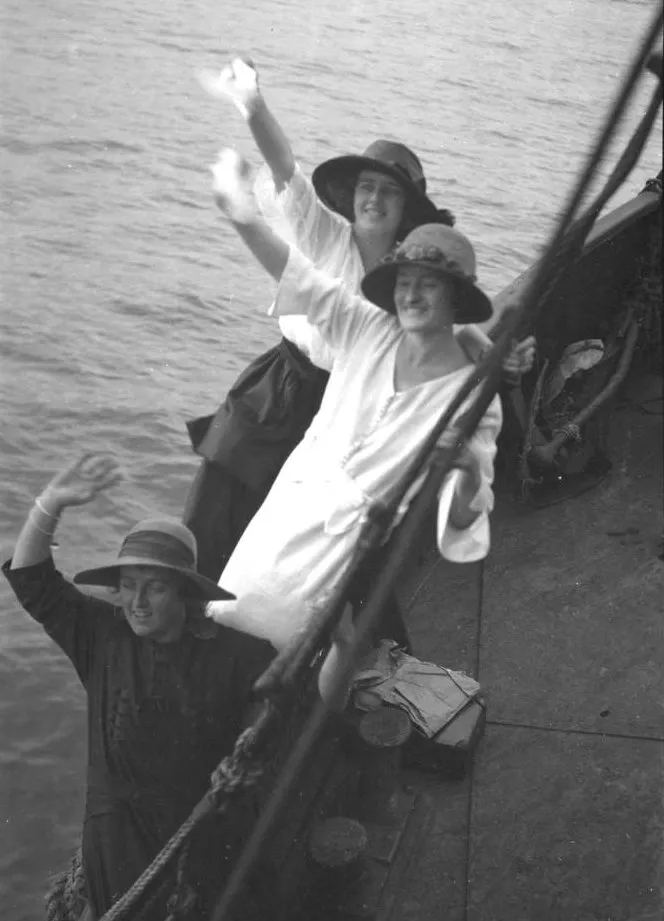
Summer versions were often made from straw, while felt, velvet, velour, silk, and other heavier fabrics worked better in cooler weather. Some mushroom hats could also be quite dramatic. Smaller versions could sit much closer to the head, so the same basic style could look either neat and compact or wide and eye-catching.
5. The Turban
The turban gave 1920s women a smooth, wrapped look without a traditional brim. Fabric could cross, fold, or gather around the head, so the shape came mostly from the way it was draped. Some turbans were plain and close-fitting, while others used silk, satin, faille, velvet, metallic fabric, or long veils for a richer look.
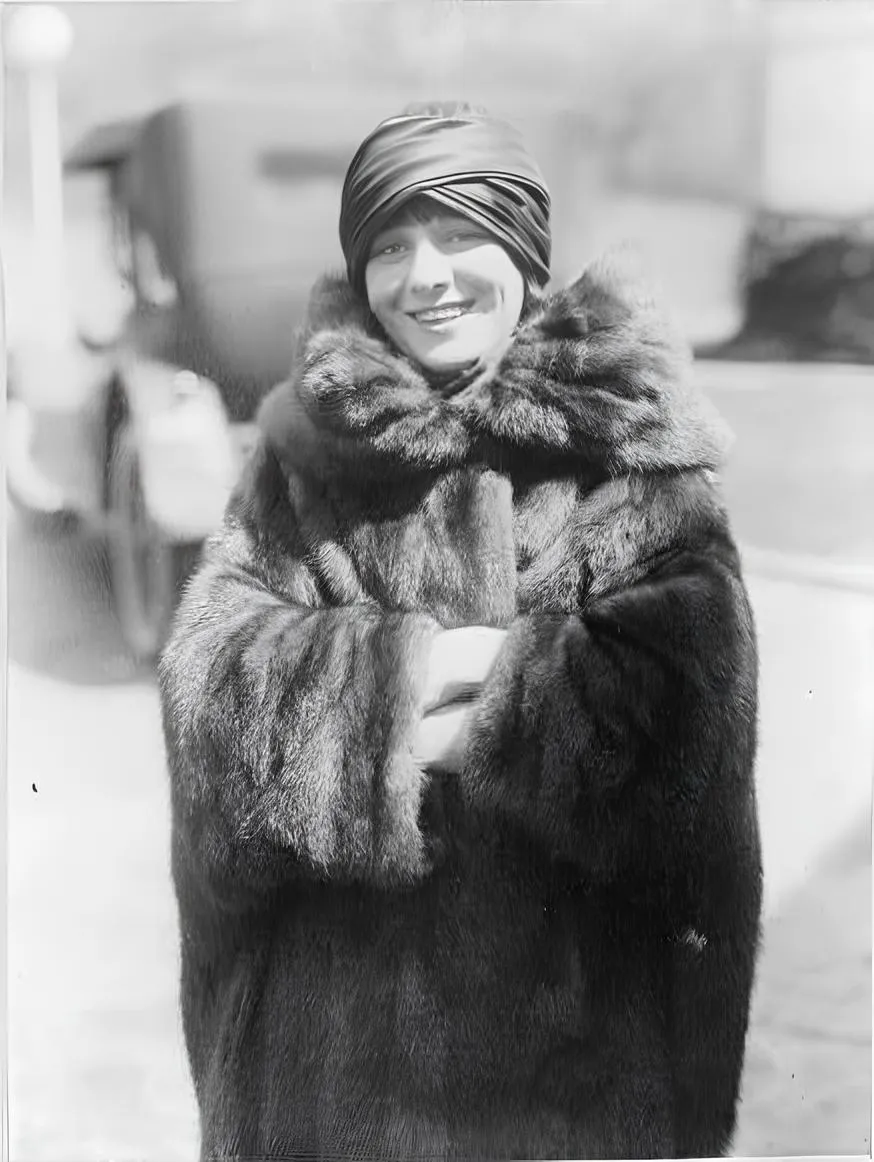
Turbans were especially popular for evening wear. In 1928, actress Evelyn Brent wore a brown faille turban with a lace and chiffon veil that fell below her waist. Another fashion column from the same year listed turbans alongside berets and cloches as popular close-fitting hats for fall.
The turban also looked very different from a cloche. It could cover most of the hair while leaving the face open, instead of bringing a brim down over the forehead and eyes.
6. The Beret and Basque Beret
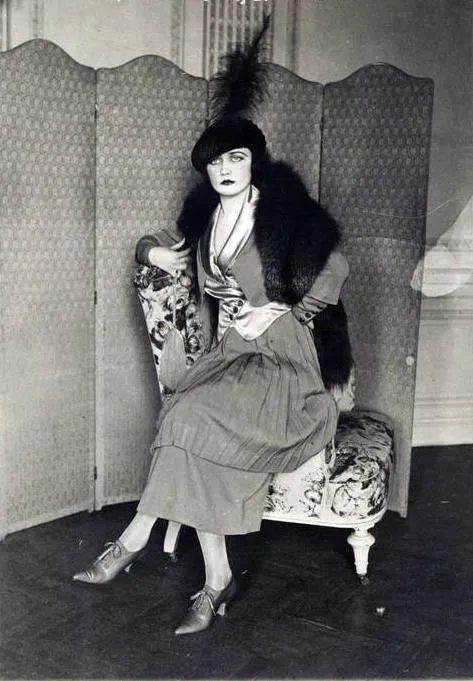
The beret gave 1920s women a flatter, cleaner shape than the soft tam. It sat close around the head, while the crown could lean to one side or stay almost level. Berets came in felt, wool, velvet, straw, crochet, and other light materials, so they could be worn in different seasons.
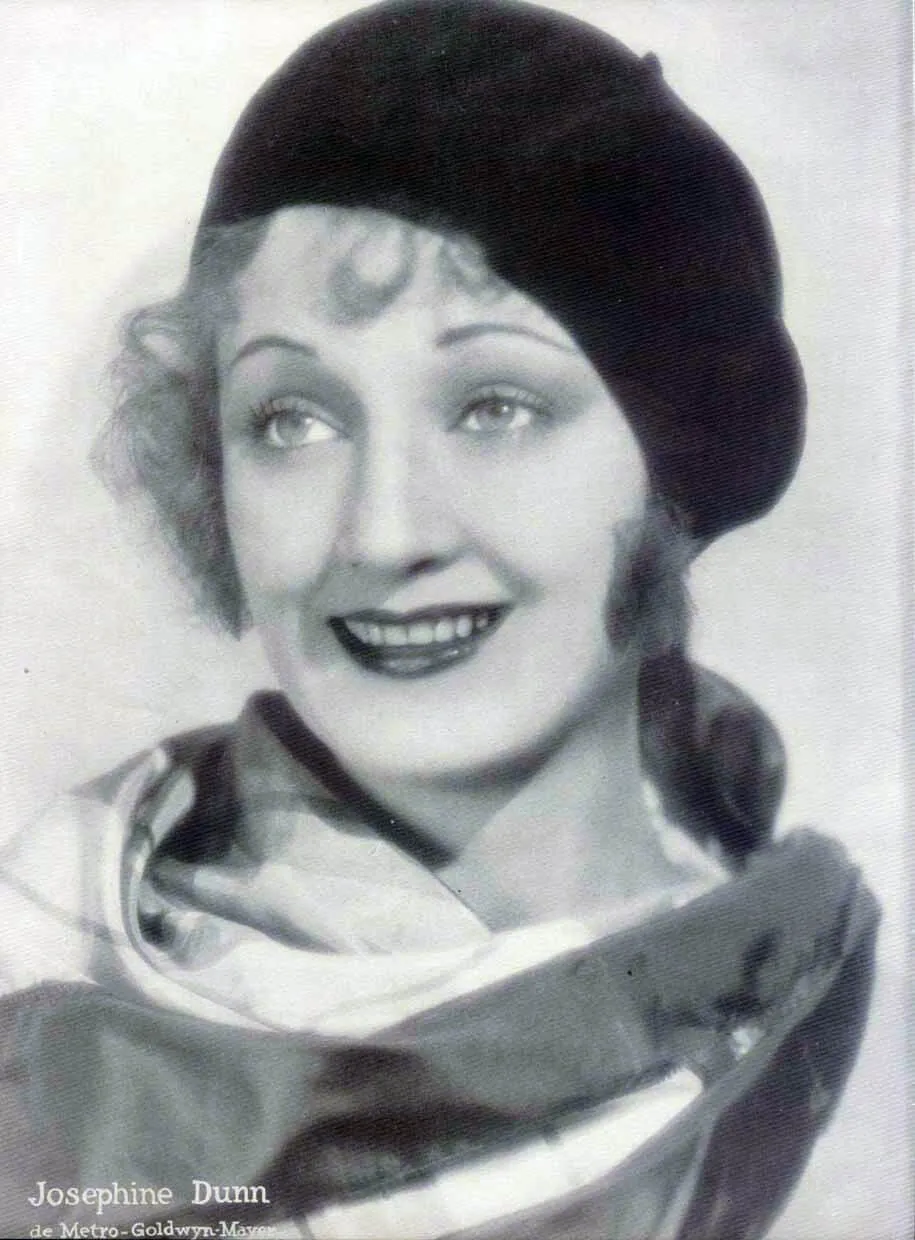
By 1928, the beret had become a practical choice for golf and motoring. One fashion column described it as especially comfortable for both activities and expected the style to stay popular through fall and winter. This made the beret a natural fit for the sportier side of women’s fashion.
Berets could still look polished. A French fashion plate from March 1928 shows a close-fitting beret by designer Maria Guy worn with a matching scarf. Its simple crown and tight band worked well with short hairstyles, straight coats, and casual daytime clothes.
7. The Sailor Hat / Straw Boater
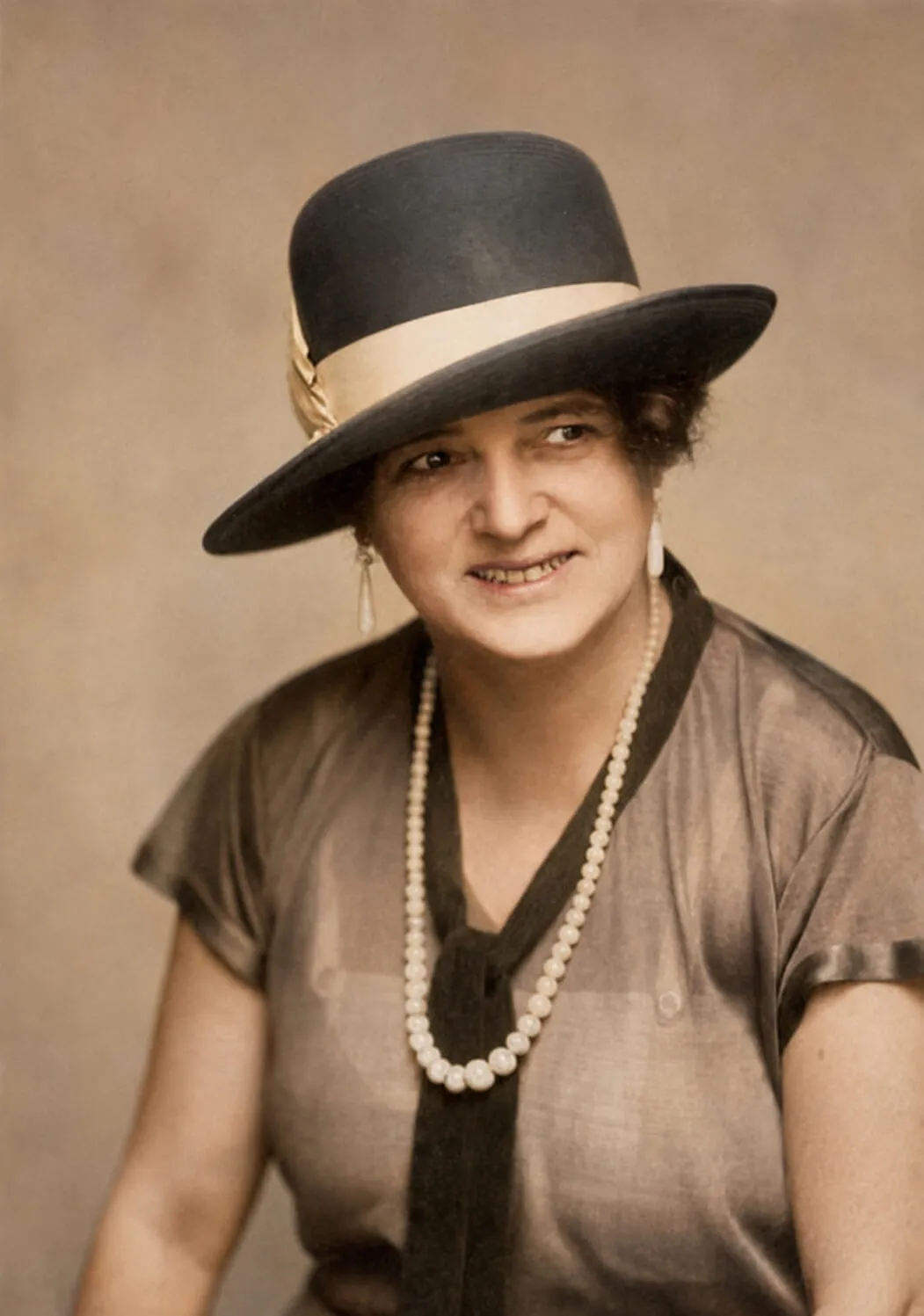
The sailor hat gave women a crisp summer look with a flat crown and firm brim. Straw versions often had a ribbon around the crown, while softer styles could be made from felt or fabric. Women had been wearing sailor hats long before the 1920s.
Women wore sailor hats with summer dresses, skirts, sweaters, and sports clothes. A 1921 Washington newspaper advertised decorative bands made specifically for a new sailor or sports hat, including grosgrain ribbon, crepe de chine, and colorful Roman-striped designs. Even a plain straw hat could look quite different just by changing the ribbon around the crown.
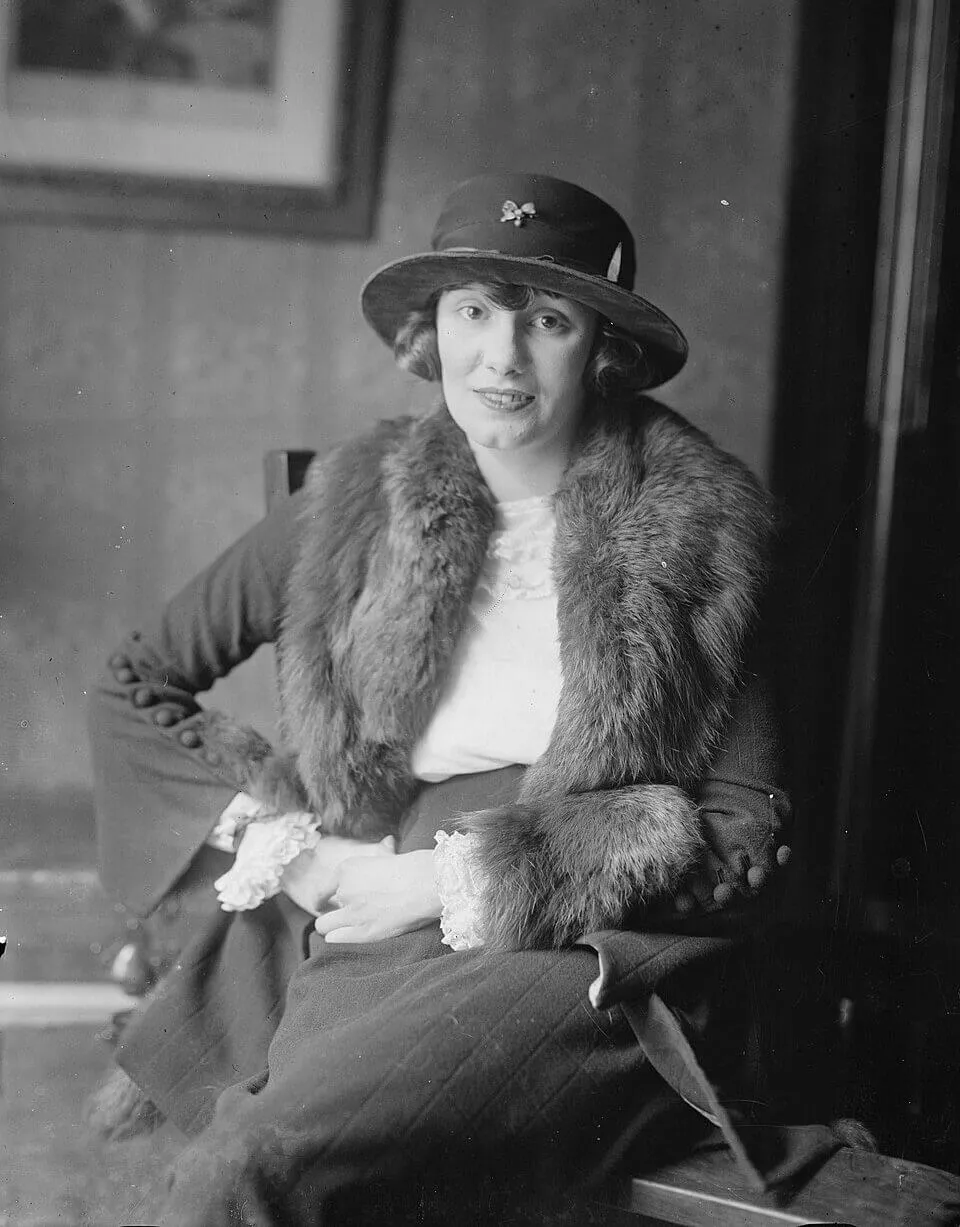
The boater was the stiffer version of the sailor look. It had a flat top and straight brim, giving it a sharper, more structured shape. That neat style worked especially well with the sportier side of 1920s fashion.
That’s it for now. Which style would you have worn? Leave a comment and tell us your favorite.
Comments · 0
Sort
Be kind — comments are public and follow the community guidelines.