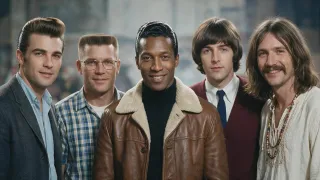
Men’s hair changed a lot during the 1960s. At the start of the decade, most guys still kept things pretty neat. Short sides, tidy tops, clean parts, and regular trips to the barber were normal, especially for school, work, or anywhere you were expected to look respectable.
In this article
By the middle of the decade, that clean-cut look had some serious competition. Younger men started growing their hair over their ears and across their foreheads. The change was also showing up in what men wore, as younger styles became less formal and more experimental.
Meanwile rock musicians and British youth styles pushed men’s hair in directions that would have seemed unusually long just a few years earlier.
By the end of the ’60s, some men were wearing hair down to their shoulders, while African American men were increasingly embracing natural texture and fuller shapes instead of straightened styles.
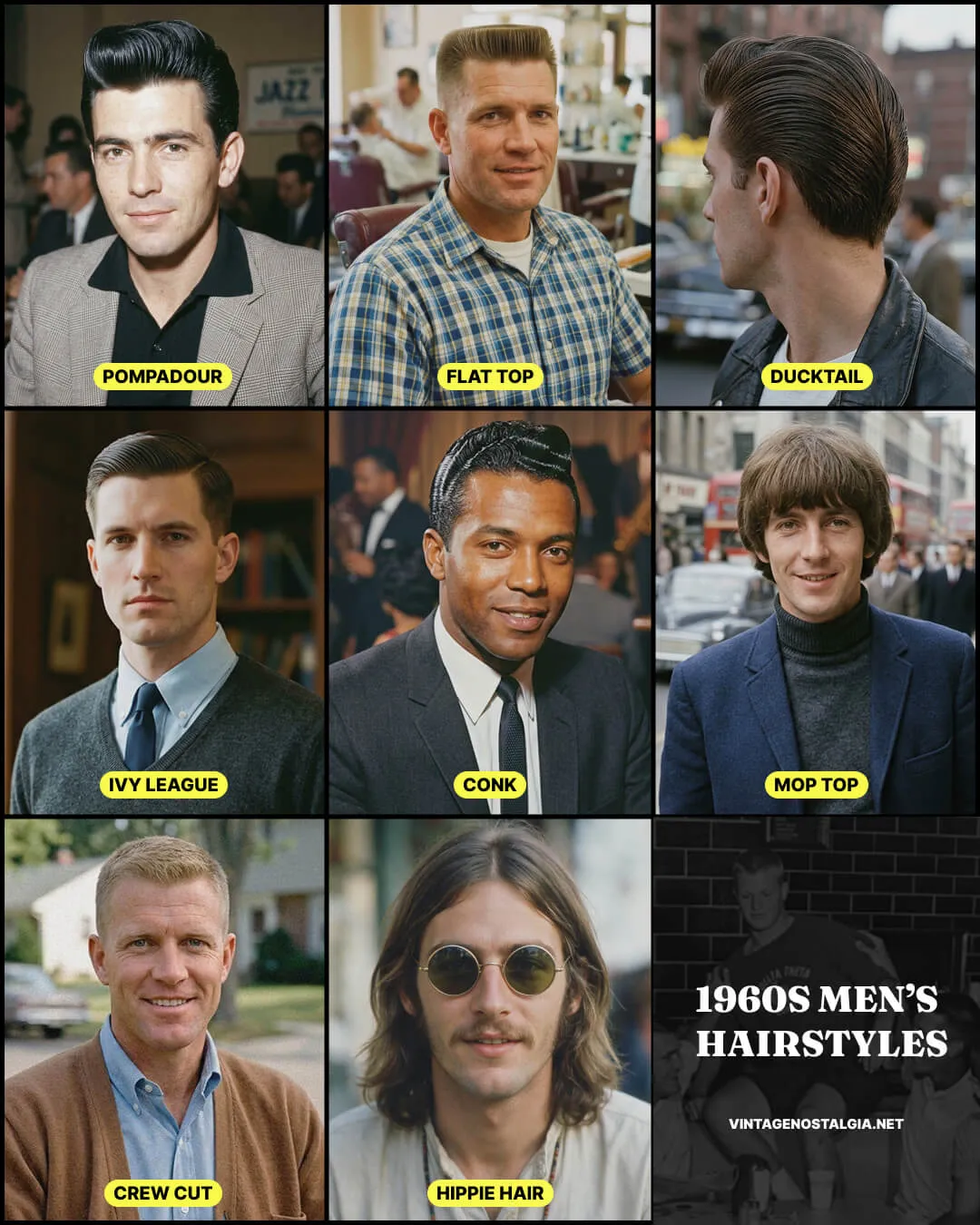
This guide covers eight men’s hairstyles actually worn during the 1960s, from traditional barber cuts to rock, Mod, and natural styles.
Ivy League / Princeton Cut
The Ivy League, also known as the Princeton cut, is a slightly longer cousin of the crew cut that allowed enough length on top to be neatly parted to the side.
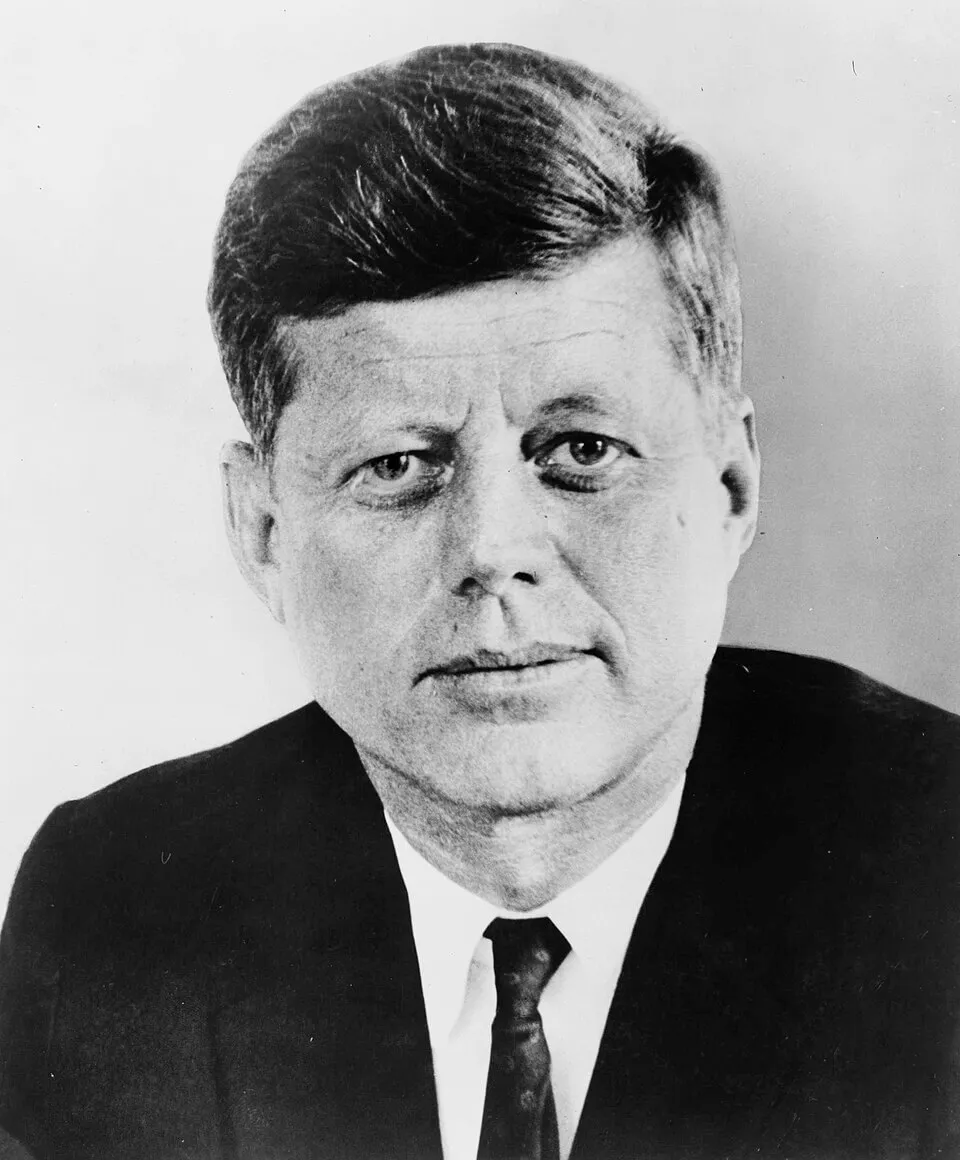
That extra length is what separated the classic Ivy League from a standard crew cut. The front could also be brushed slightly upward or away from the forehead, giving the haircut a little more flexibility while still looking clean and conservative.
The style was already catching on with younger men just before the 1960s began. In 1959, TIME described the Princeton cut as a middle ground between the dramatic ducktails worn by some teenagers and the much shorter crew cuts favored by others. It gave boys enough hair to make a part without requiring the heavier styling of longer cuts.
That made it a natural fit for the early 1960s, when short, tidy hair was still expected in many schools, offices, and colleges. The cut could look very polished with a sharp side part, but it could also be worn a little more casually by brushing the top forward or slightly upward.
Pompadour
The pompadour was all about height at the front. The hair above the forehead was left longer, lifted up, and swept back, while the sides stayed neater and closer to the head. Not every version was huge. A 1963 short pompadour shows a cleaner, more controlled version of the style.
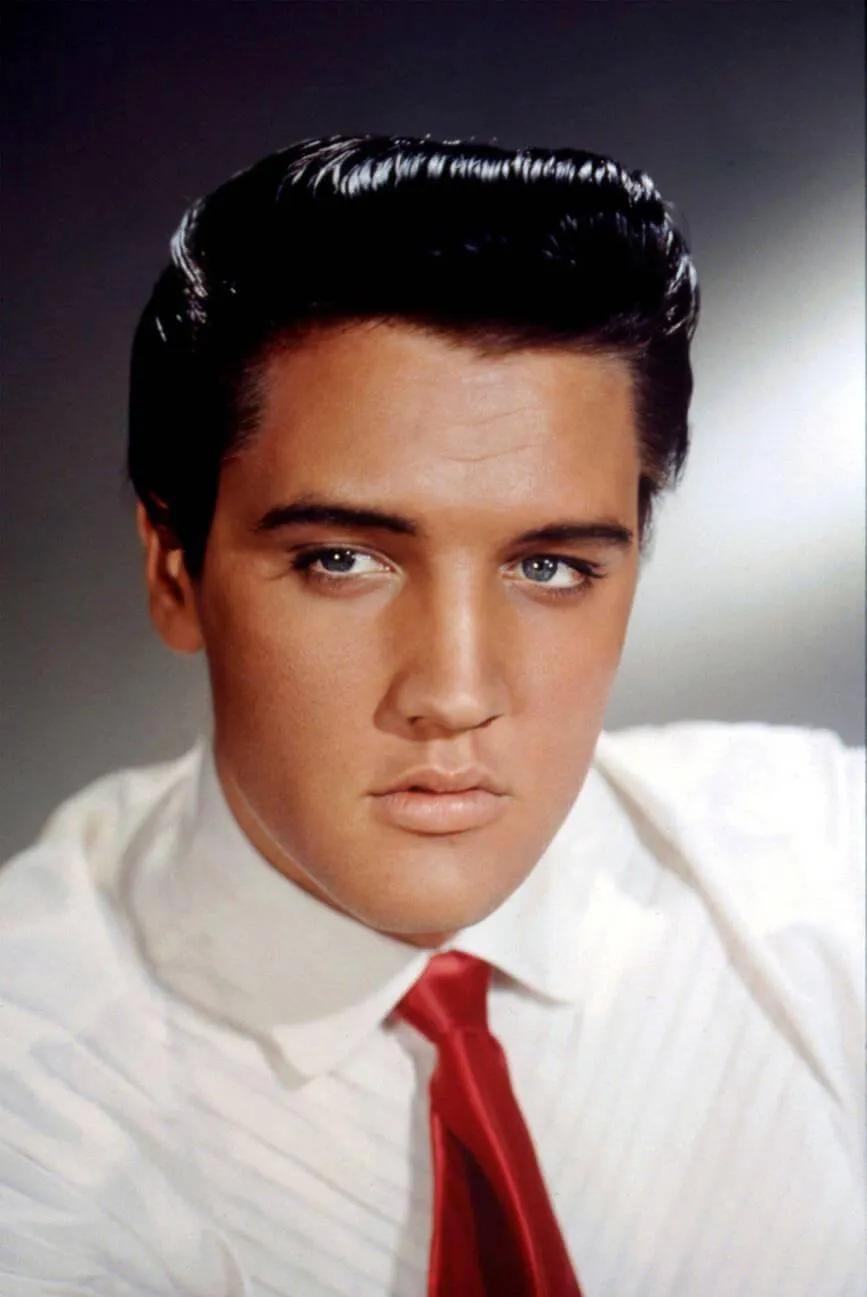
Elvis Presley’s style helped keep the pompadour closely tied to the early 1960s. After returning from the Army in 1960, he went back to recording and films with the same polished image. His slicked-back hair, raised at the front, remained one of his most recognizable features. Graceland still describes fans copying that pompadour look.
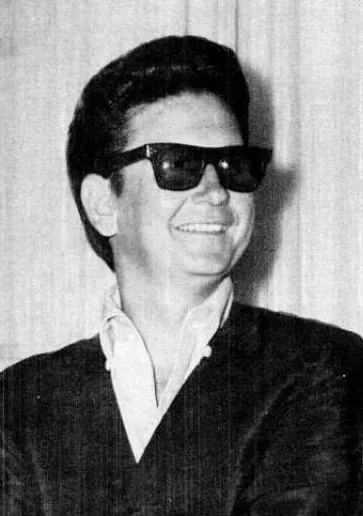
The style belonged more to the early part of the decade. As men’s hair grew longer and looser later in the 1960s, the tightly shaped pompadour began to look more connected to the rock-and-roll style of the 1950s and early ’60s.
Flat Top
The flat top was cut very short on the sides and back, while the hair on top was left slightly longer and brushed straight up. The top was trimmed into a flat, even shape, giving the haircut its sharp, boxy look. Walter Cunningham’s 1964 hairstyle is a classic example of a flat top.
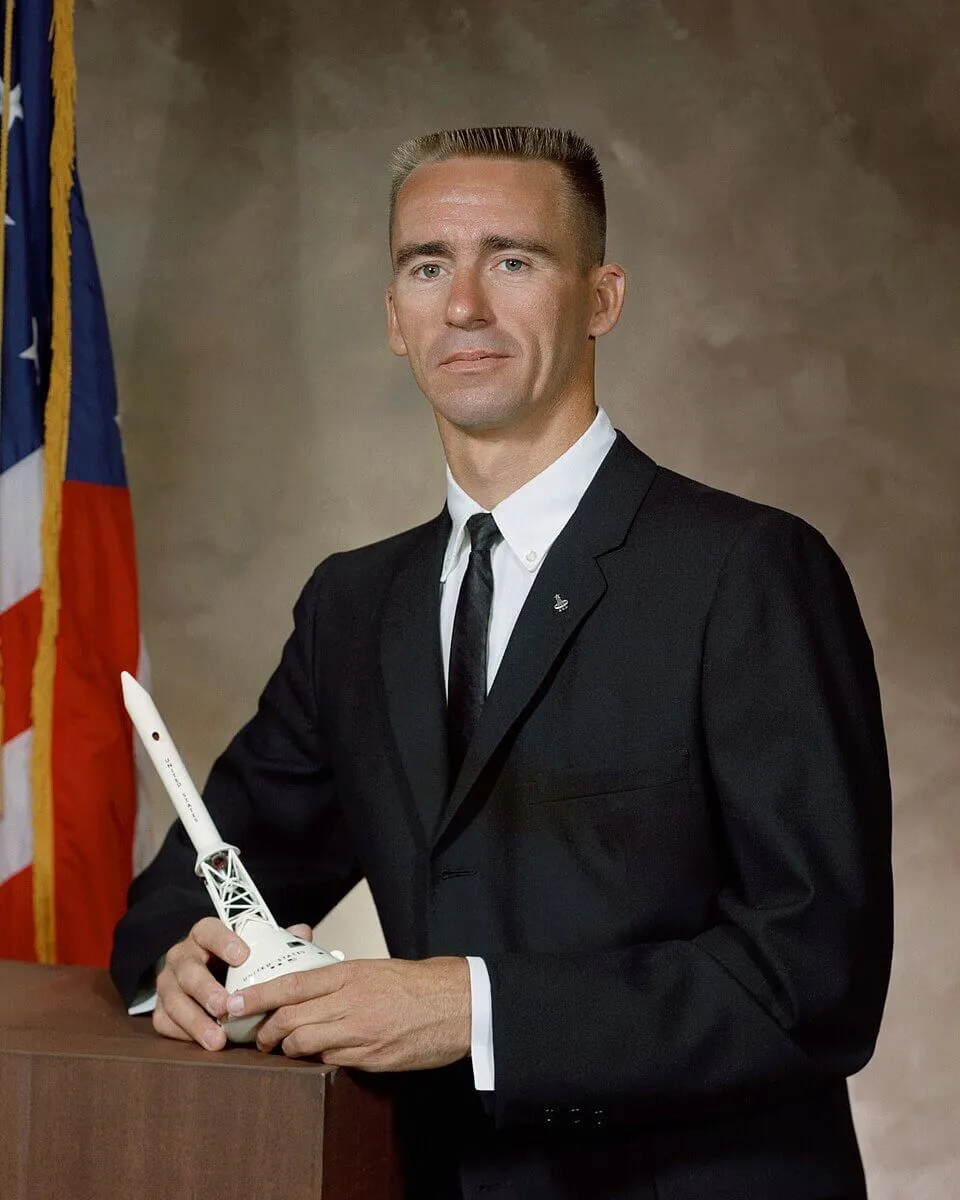
Barbers shaped the top with freehand clipper work and clipper-over-comb techniques rather than simply running one guard over the entire head. That careful flat-top cutting created the squared-off look that separated it from an ordinary crew cut.
The style was already firmly established in barbershops at the start of the decade. In October 1960, the Wisconsin Historical Society photographed a barber demonstration at the Associated Master Barbers’ state convention in Madison.
The technique was described as “free-hand crew cutting” as well as a “flat-top.” A surviving Brylcreem booklet from a working barbershop also included the flat top among its named men’s hairstyles.
The haircut looked short and disciplined, but its strong shape still attrated attention. A California Catholic high school’s circa-1962 dress code banned flat tops alongside ducktails and unusually long hair. Even this very short haircut was apparently too bold for some strict school rules.
Ducktail / DA
The ducktail, usually shortened to DA, carried over from 1950s rock-and-roll style into the early 1960s. Its defining feature was at the back, where hair from both sides was combed toward the center to form a narrow ridge that looked like a duck’s tail. The ducktail needed enough length around the sides and back for the hair to meet cleanly in the middle.
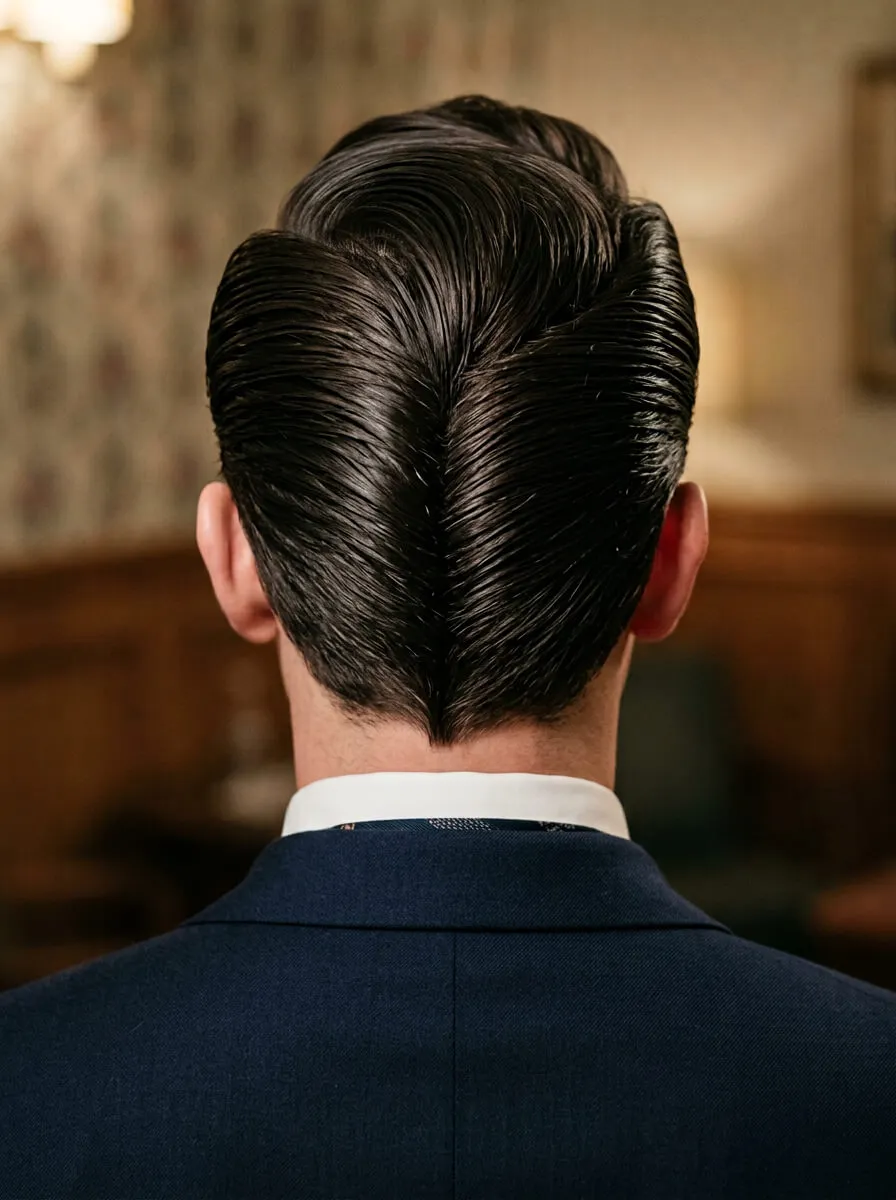
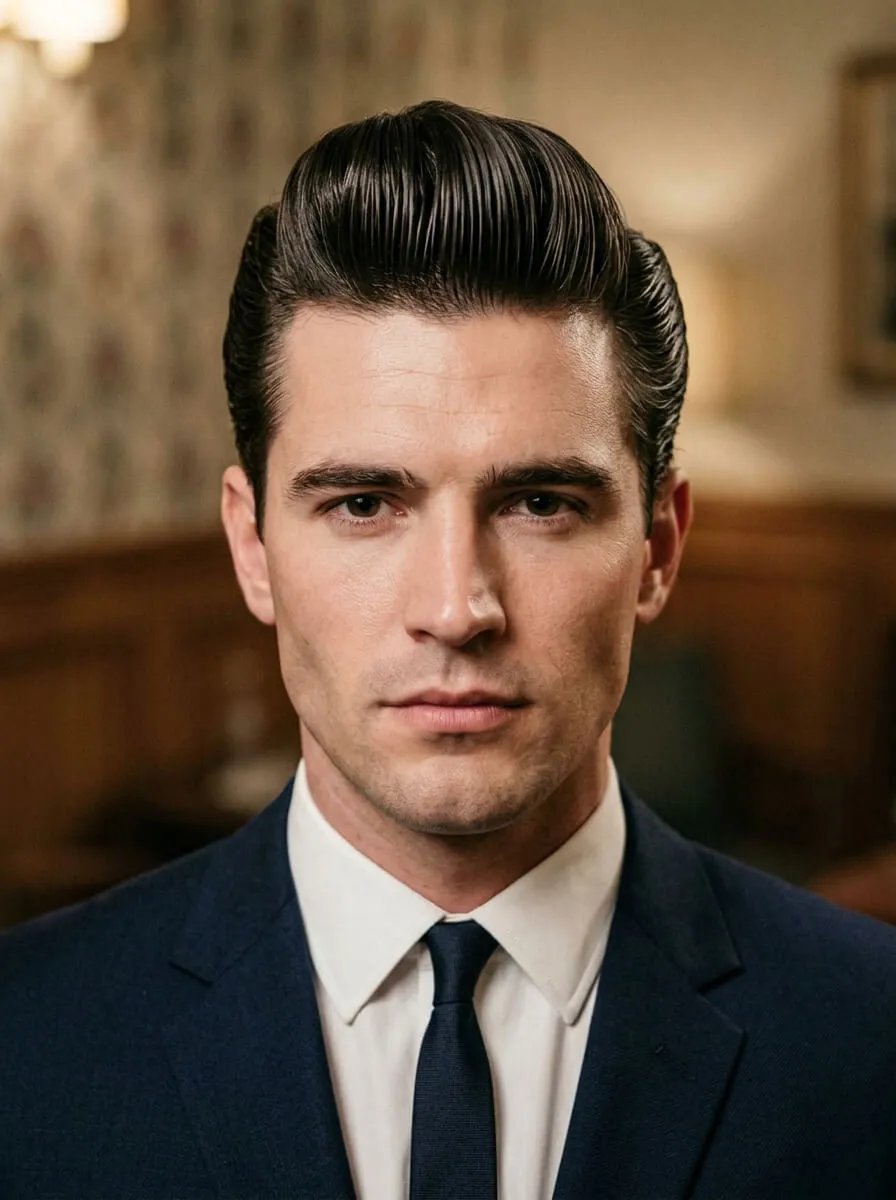
The front varied more. Some men combed it straight back, while others paired it with a higher pompadour or a loose curl over the forehead. That is why a ducktail and a pompadour could appear together: the ducktail mainly described the shape at the back.
The style was closely tied to rockers and rebellious youth rather than conservative barber cuts. In an oral history from the University of New South Wales, an early-1960s rocker remembered men using hair cream, leaving a large curl in front and a thick ducktail behind. As newer youth styles took over later in the decade, heavily greased DA cuts became less common.
Mop Top / Beatles Haircut
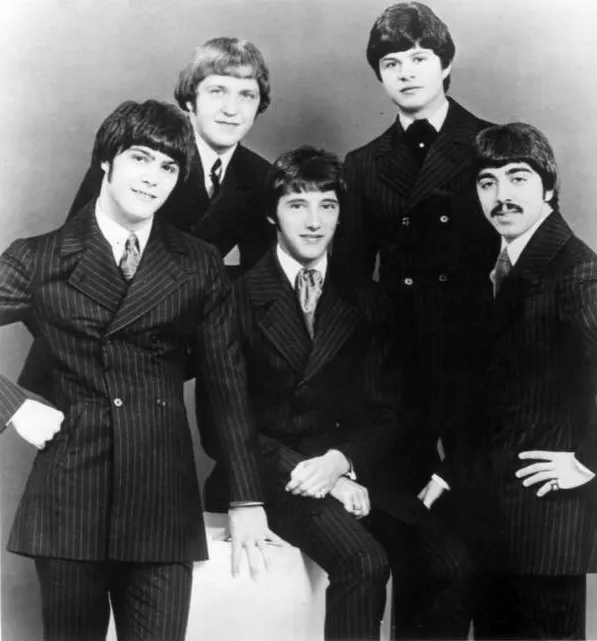
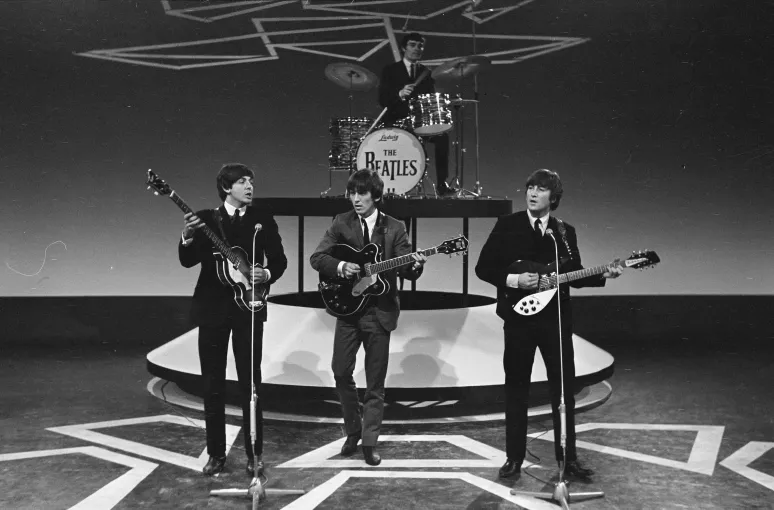
The mop top became one of the most recognizable men’s hairstyles of the 1960s, but the Beatles were wearing versions of it before Beatlemania began. During their Hamburg years, Stuart Sutcliffe wore the style first, followed by George Harrison and then the rest of the group.
Their mop-top haircuts were longer than a standard barber cut, with a rounded shape, fuller sides, and hair falling forward over the forehead instead of being slicked back.
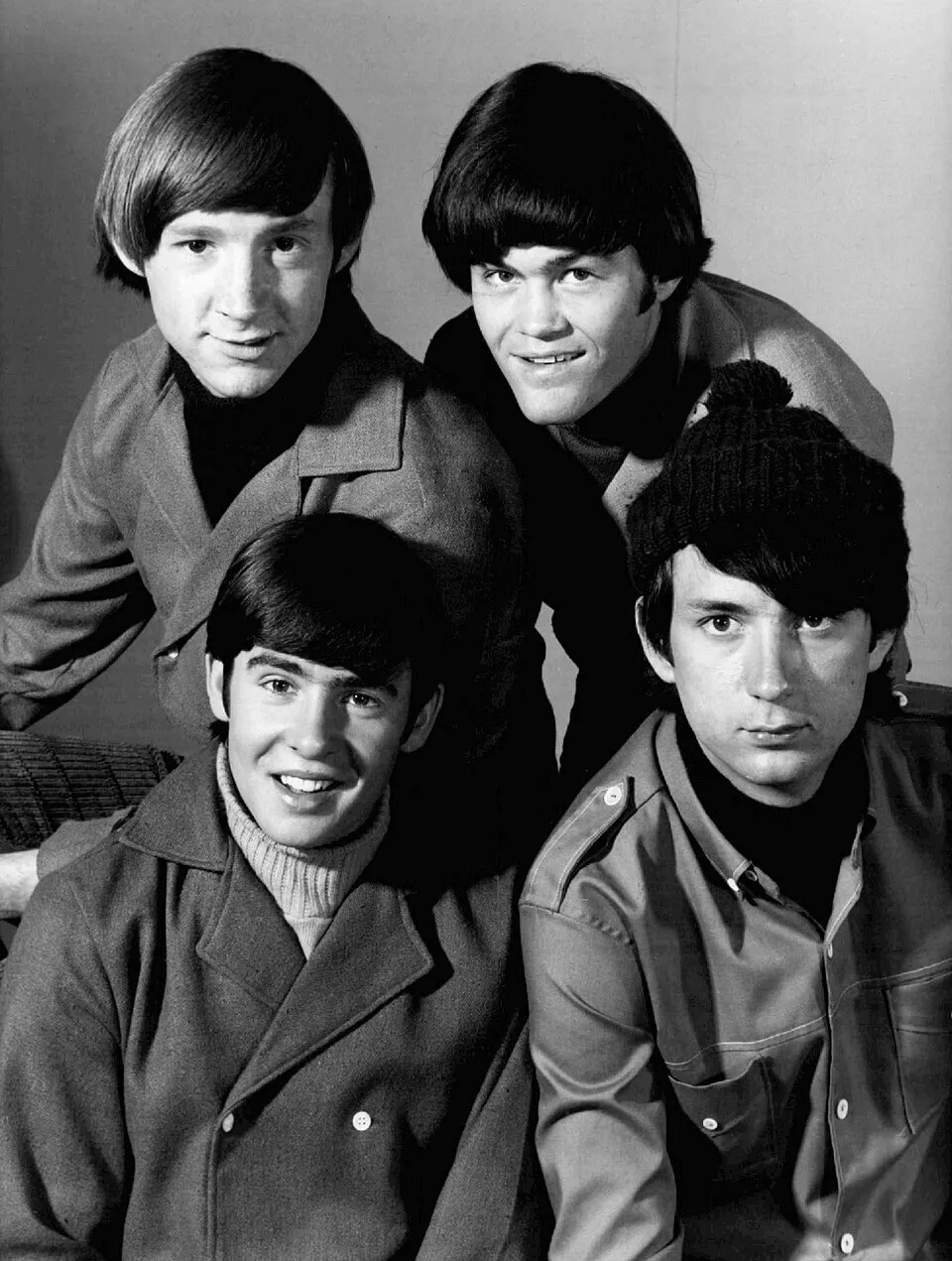
Compared with an Ivy League or crew cut, the difference was obvious: more length around the ears, a heavier fringe, and much less emphasis on a sharp side part.
Crew Cut
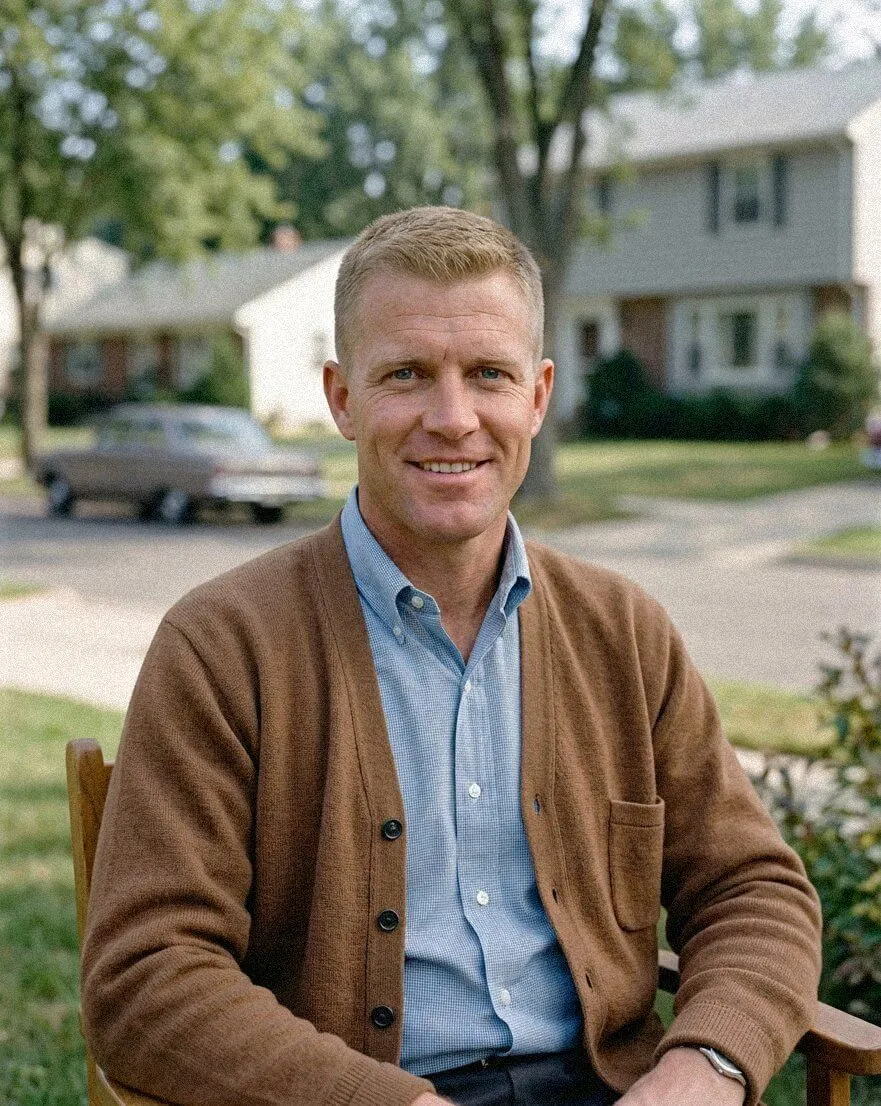
The crew cut was one of the simplest short hairstyles men wore in the early 1960s. The hair on top was kept very short and brush-like, while the sides and back were tapered even closer. Unlike a flat top, the top did not need to form a perfectly level surface. Merriam-Webster still defines the style by that short, upright finish.
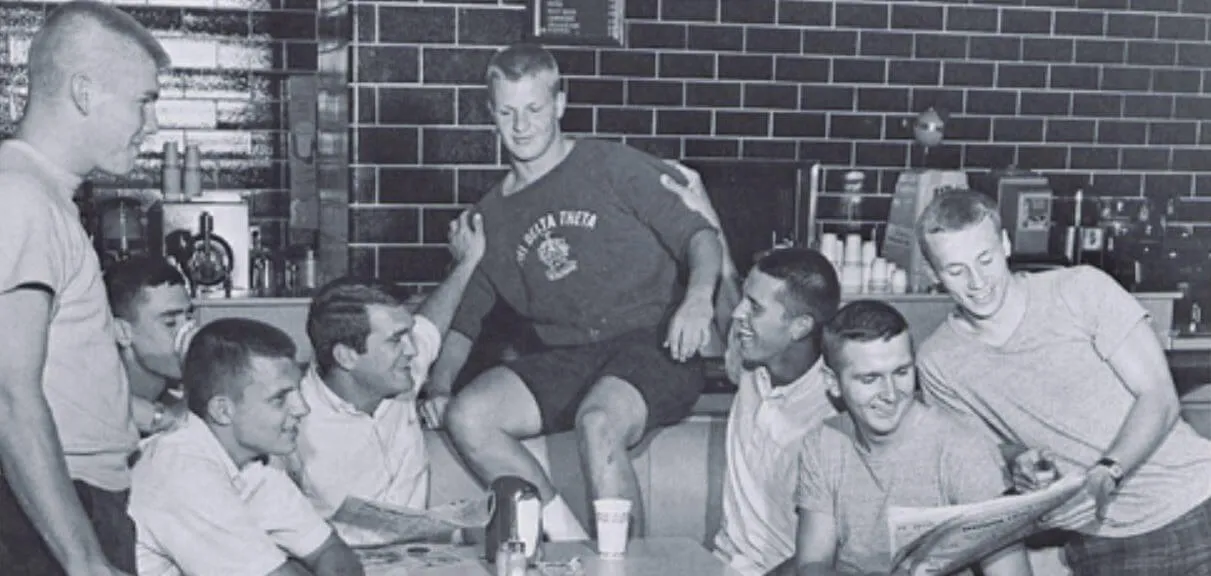
The cut was popular enough to be regularly featured in grooming ads for young men. A 1964 men’s hair feature shows that short hairstyles were still far more common than shoulder-length hair, although longer styles were beginning to catch on.
Conk
The Conk was one of the best-known hairstyles worn by African American men from the 1940s into the early 1960s. To create it, tightly curled hair was chemically straightened with a lye-based mixture, sometimes made at home with lye, eggs, and potatoes.
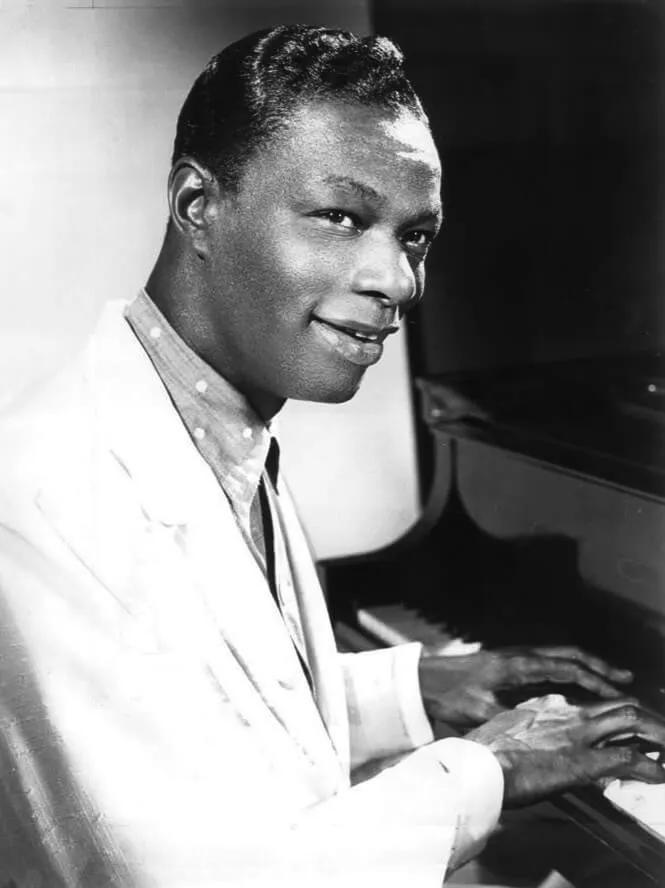
The straightened hair could then be slicked back, shaped into waves, or built into a pompadour. The process took work and could badly irritate or burn the scalp, but the smooth, carefully styled result also became associated with fashion and status. This NPS history explains how the style was created and maintained.
The Conk was especially visible in music. James Brown, Little Richard, Chuck Berry, and Nat King Cole all wore versions of the style, helping make it instantly recognizable.
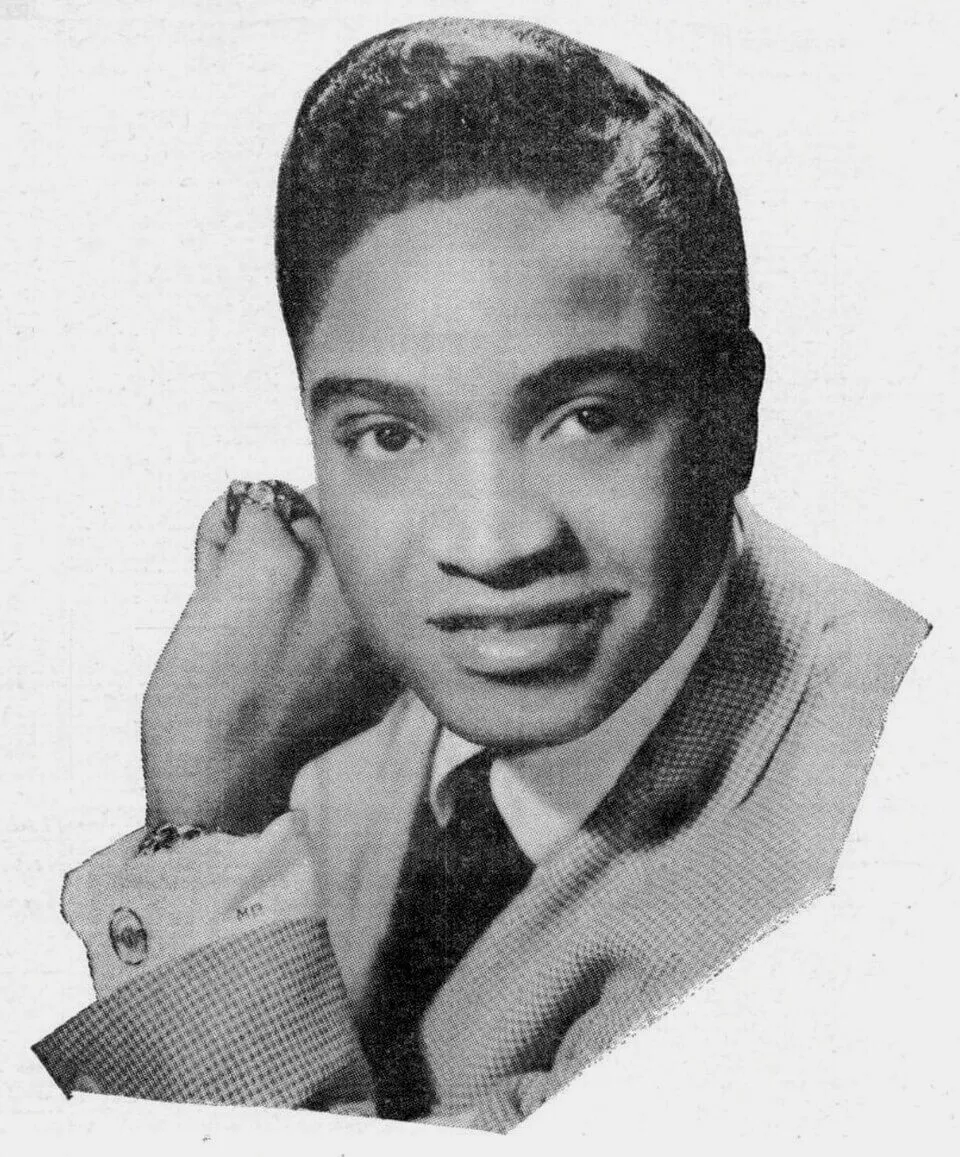
Malcolm X, also wore a conk when he was young and later wrote about the painful process of getting one. By the 1960s, however, attitudes toward Black hair were changing. As the Black Pride and Black Power movements grew, natural hairstyles became increasingly important, and the Conk gradually lost much of its popularity.
Hippie Long Hair
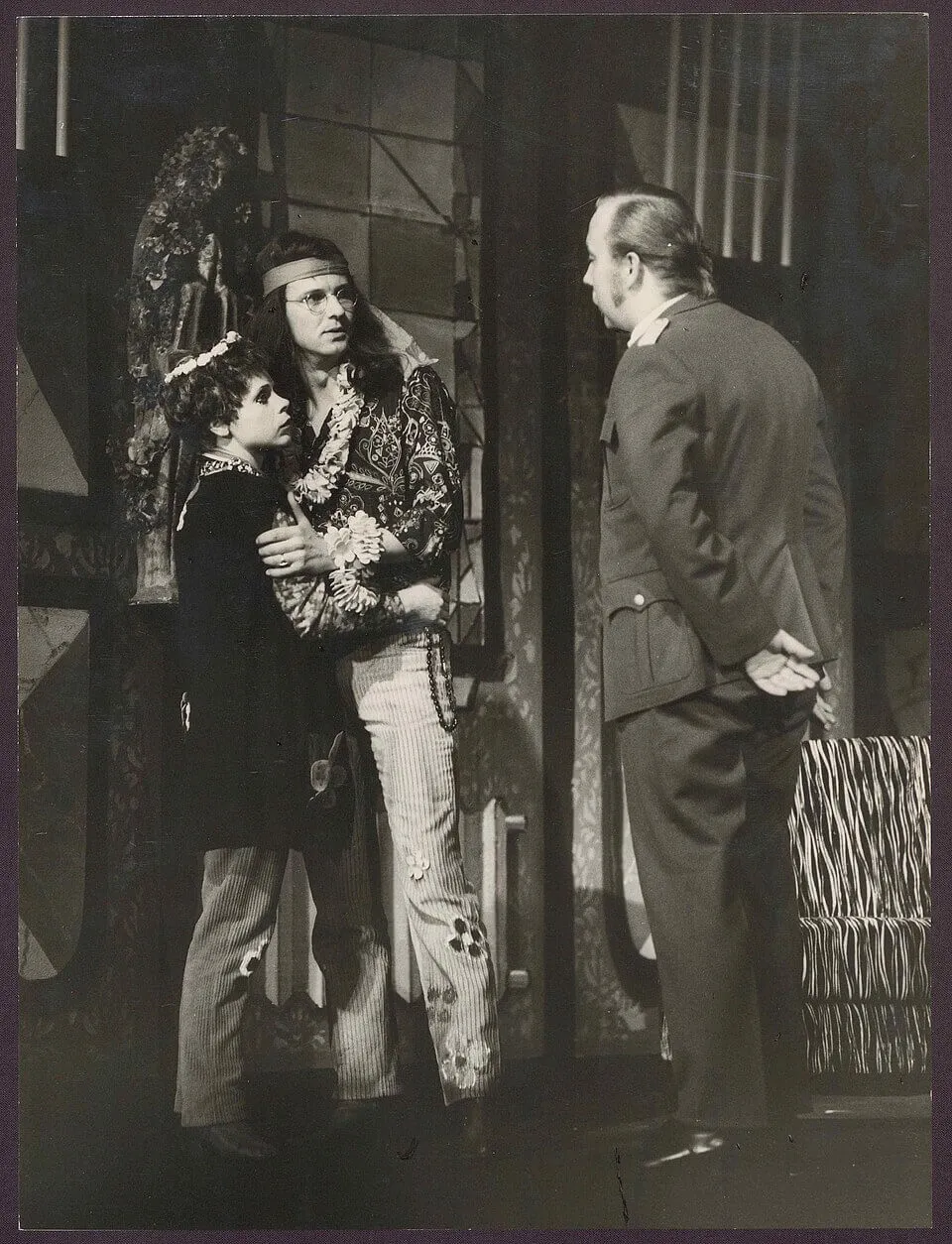
Hippie hairstyle was less a precise haircut and more a rejection of the neat, controlled styles men had worn earlier in the decade. By the late 1960s, hair often covered the ears, passed the collar, or reached the shoulders. Many men wore it loose with a center part, letting natural waves and curls show. By 1967–68, long hair and beards had become clear markers of hippie culture.
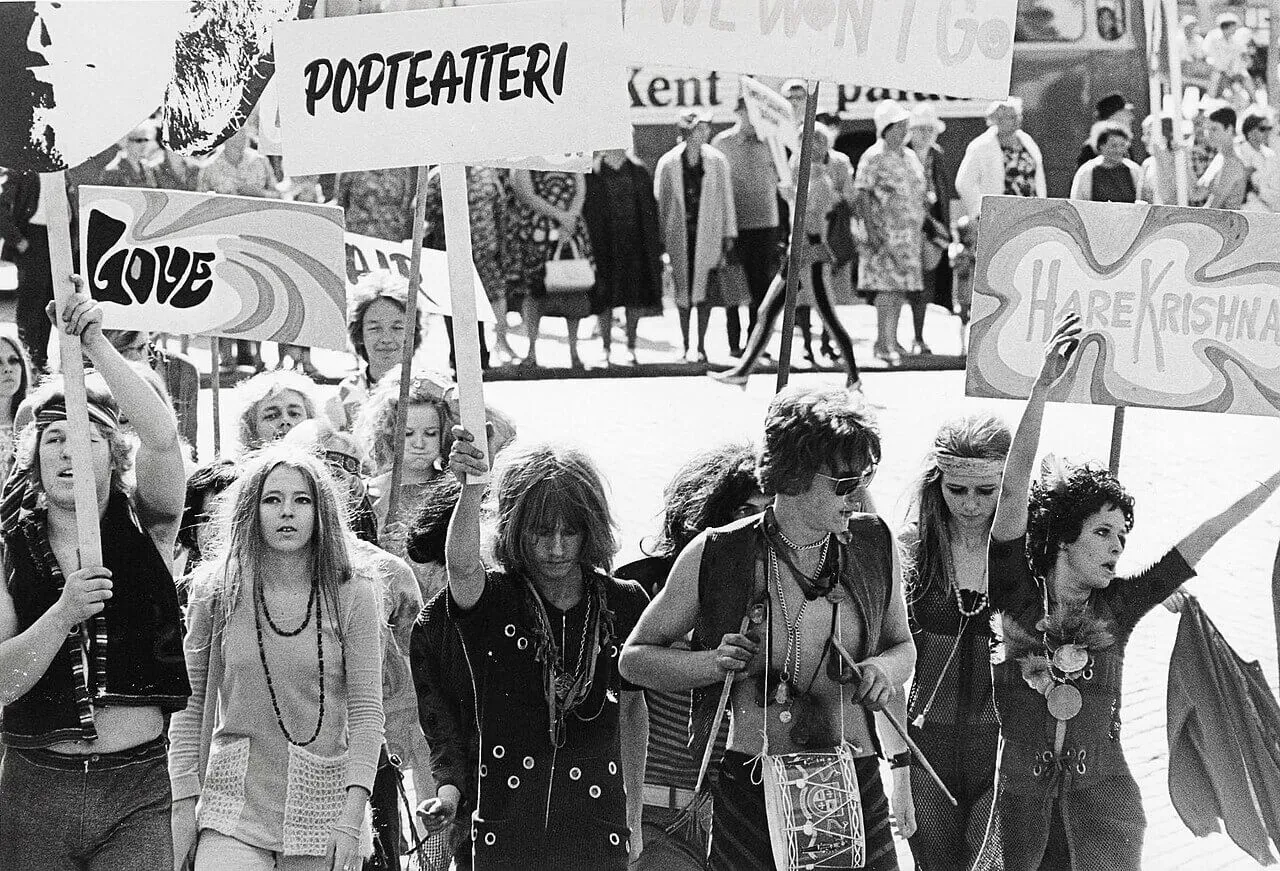
The 1967 Summer of Love helped make the look even more recognizable. In places like Haight-Ashbury, long hair was often paired with loose shirts, beads, and handmade clothing. For men, wearing hair this long also challenged school, workplace, and family expectations, turning it into both a fashion choice and a social statement.
Which of these looks would you have gone for? We’d love to know in the comments.
Comments · 0
Sort
Be kind — comments are public and follow the community guidelines.