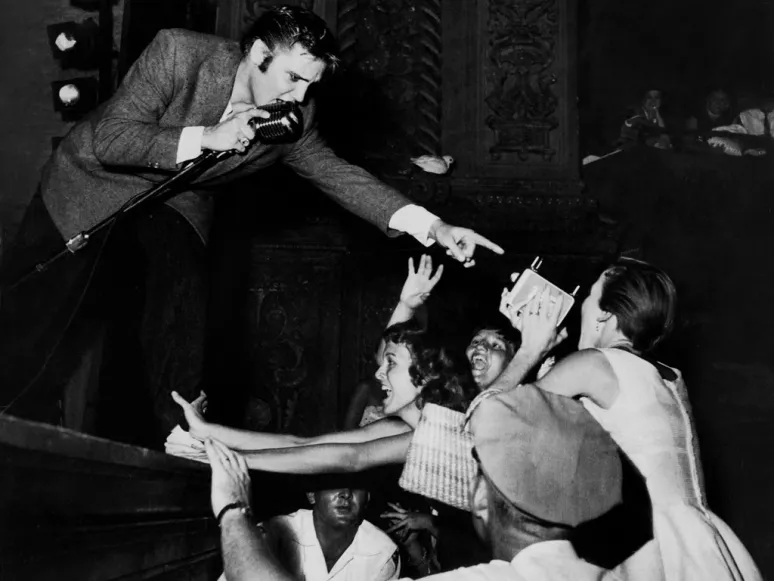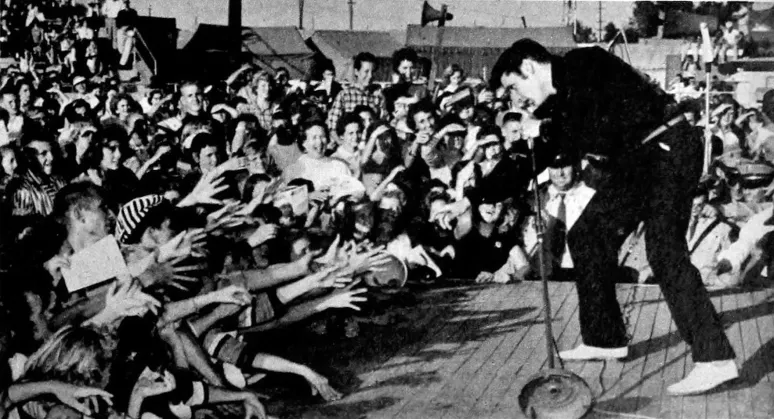
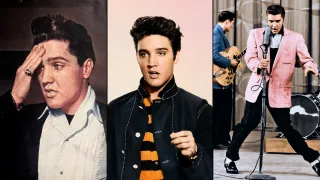
Elvis Presley started developing his unusual sense of style years before his first hit record. As a teenager in Memphis, he already liked clothes that drew attention, longer hair, and a look that separated him from many boys his age. Once he became a performer, those early choices grew into a much stronger image. Bright shirts, pink and black outfits, narrow trousers, large collars, shiny shoes, and his famous pompadour all became part of the way audiences saw him.
In this article
1. Beale Street Gave Him a Different Starting Point2. Pink and Black Became an Early Signature3. Pegged Trousers, Big Collars and Shiny Shoes4. The Pompadour and Sideburns Completed the Look5. Television Turned His Clothes Into Part of the Show6. His Movie Clothes Showed Another Side of Elvis7. In the Early 1960s, His Style Became More PolishedWhy Elvis Presley’s Style Looked So Different
His clothes also changed as his life changed. The young singer who shopped on Beale Street soon needed outfits for concerts and national television. Hollywood later gave him a new range of casual clothes, movie costumes, and cleaner tailored looks. By the 1960s, his style looked more polished, but he still kept the dark hair, sharp cuts, and strong color choices that made him easy to recognize.
So why did Elvis look so different from many other male stars of his time? The answer starts in Memphis, years before the gold suits and Hollywood movies. His early surroundings introduced him to clothes and music that helped shape a style he would keep changing throughout the 1950s and 1960s.
This article looks at seven parts of his style, from his Beale Street clothes and pink-and-black outfits to his pompadour, movie wardrobe, and more polished 1960s look.
1. Beale Street Gave Him a Different Starting Point
Elvis moved to Memphis with his parents in 1948, when he was 13 years old. During his teenage years, he spent time around Beale Street, where he heard blues and gospel music and bought clothes. He also wore his hair longer than many boys did at the time, slicked it back, and grew his sideburns. His interest in looking different had already started before he entered a recording studio.
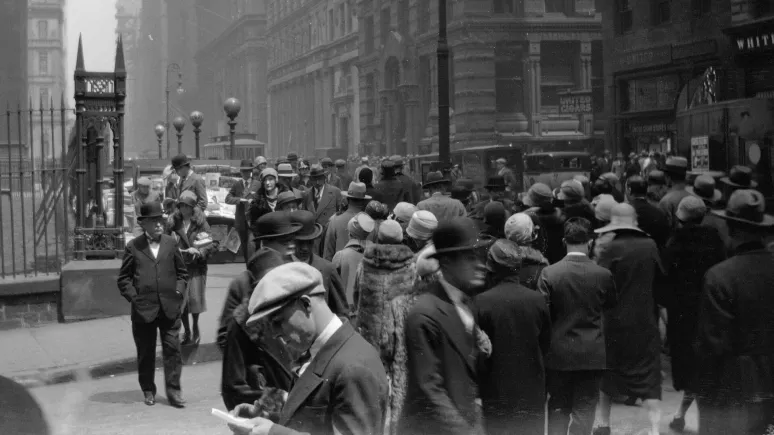
One shop became especially important to his early wardrobe. Bernard and Guy Lansky ran Lansky Brothers on Beale Street, where they sold men’s clothes in bright colors and bold patterns. The brothers traveled to New York and California to find styles that Memphis shoppers did not often see. Their windows featured red, orange, yellow, green, purple, and other strong colors. Musicians, bands, and local entertainers shopped there, and teenage Elvis often stopped to look at the clothes in the windows.
Bernard Lansky first noticed Elvis looking through the windows in the spring of 1952. Elvis did not have enough money to shop there at first, but he later returned and bought a $3.95 shirt. As his music career grew, he bought more clothes from the store, and Lansky Brothers later supplied outfits for performances and television appearances.
Beale Street gave Elvis access to a wider range of colors, patterns, and cuts while he was still forming his own taste. Instead of waiting until fame arrived to create an image, he entered his music career with a style he had already started building as a teenager. That early taste for bold clothes soon became even clearer when he began wearing one of his best-known color combinations: pink and black.
2. Pink and Black Became an Early Signature
Pink and black became one of the clearest signs of Elvis’s early taste in clothes. While he still attended Humes High School, he wore a pink coat with black trousers and a pink-and-black cummerbund to his junior-senior prom. The combination already showed the kind of contrast he liked: one strong color against black instead of a more traditional dark suit.
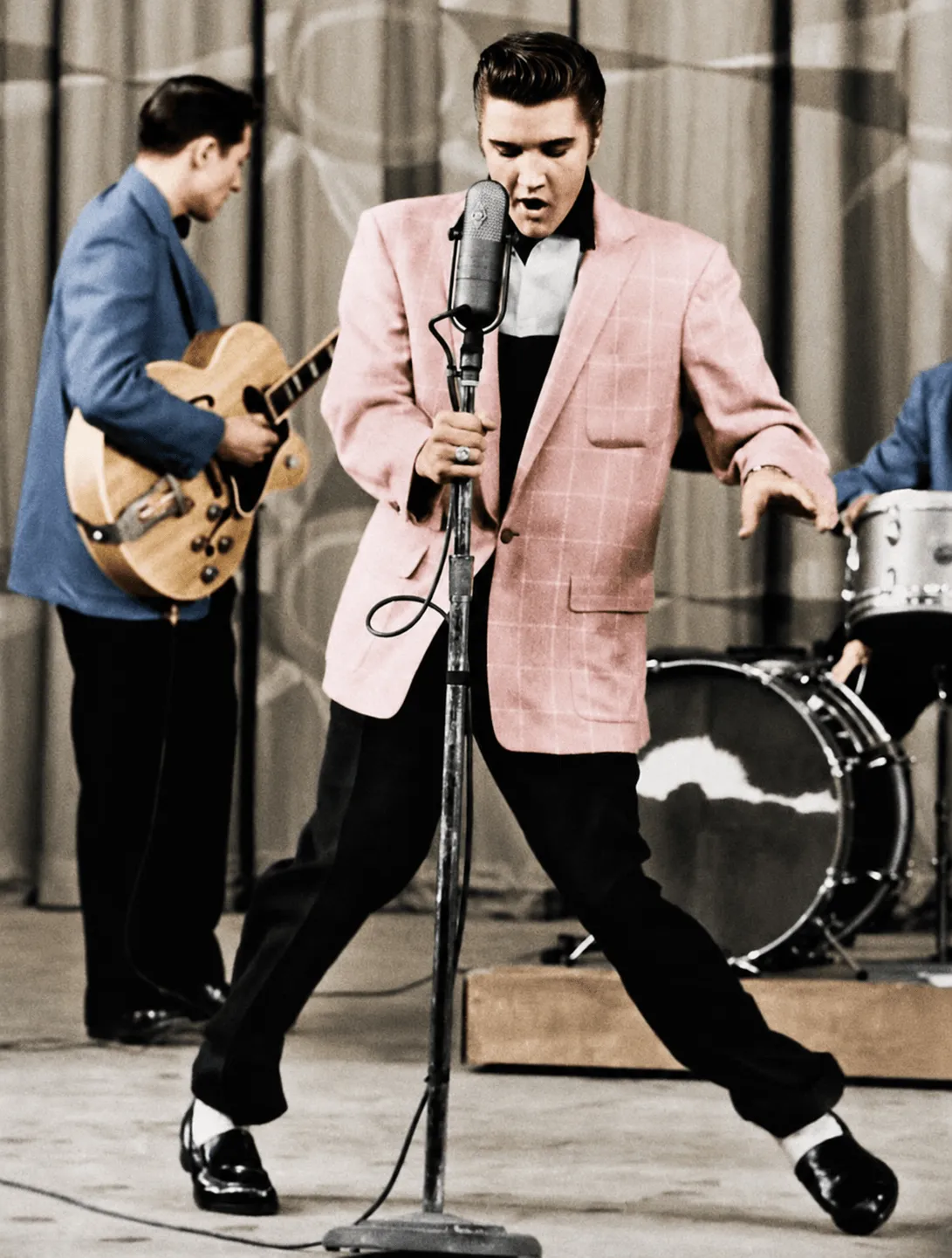
He kept using the same colors after he started performing. Pink shirts and jackets often appeared with black trousers, and the contrast worked especially well with his dark shoes and styled hair. The Lansky family later described the black-and-pink color combination as one of the early looks they helped create for him.
Pink itself was not new to men’s clothing in the 1950s, so the color alone did not make Elvis unique. What stood out was how boldly he wore it. Instead of using pink as a small detail, he made it the main color of a shirt or jacket and placed it next to black trousers. That gave his outfits a sharp, easy-to-see contrast that looked very different from the quieter suits worn by many male singers and entertainers.
By 1956, pink had become closely tied to his early public image. Photos from that period show him in pink or pink-toned jackets with dark trousers and two-tone shoes, a combination that captured the brighter and less traditional direction of his style. The clothes looked youthful, confident, and much more noticeable than standard stage suits.
3. Pegged Trousers, Big Collars and Shiny Shoes
Elvis’s early stage clothes also stood out because of their shape. He wore pegged trousers that narrowed toward the ankles and paired them with fuller shirts, high or rolled collars, wide sleeves, and large cuffs. The combination gave him a sharper outline than the roomy trousers and more traditional shirts many men wore during the early 1950s.
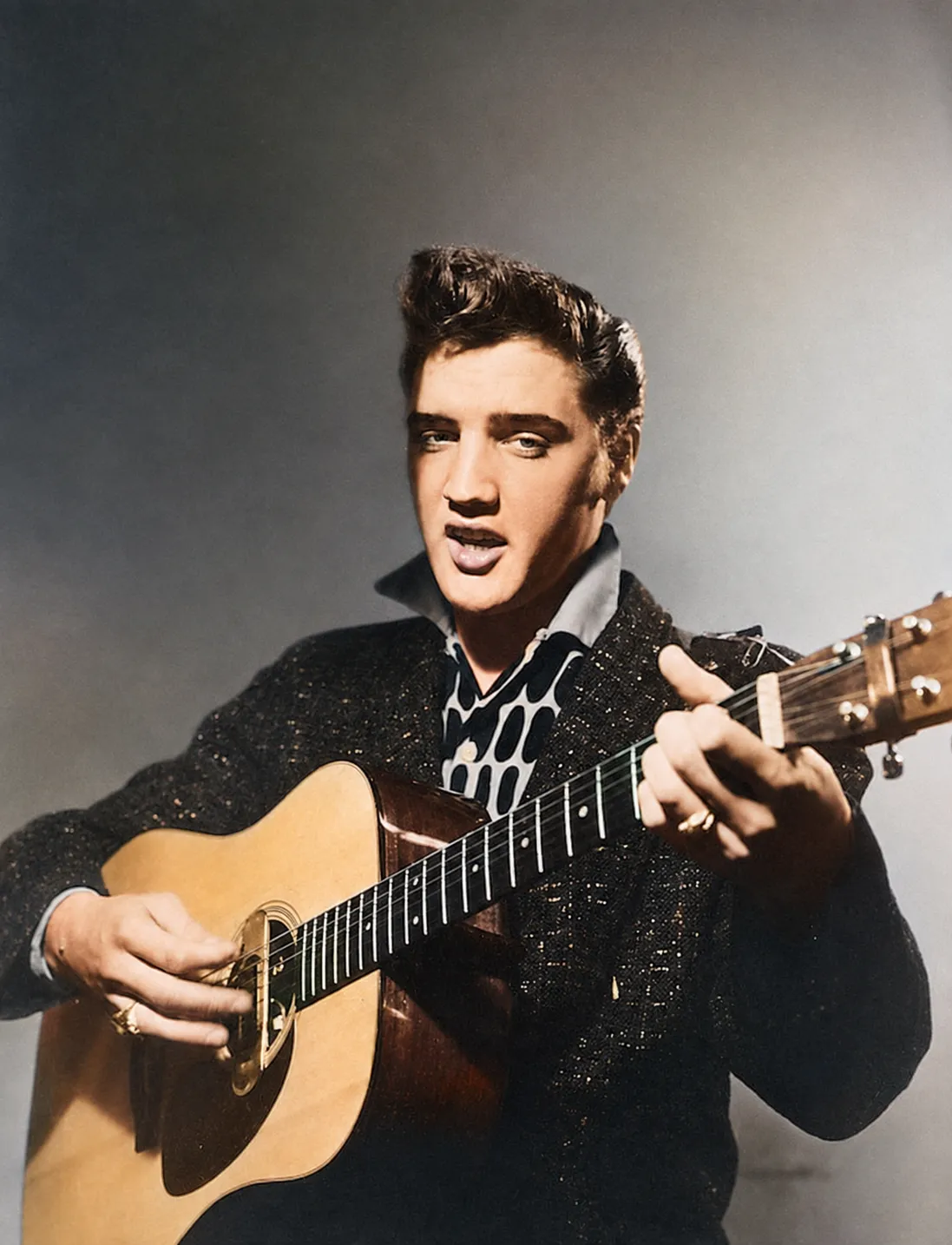
His footwear added another strong detail. His early stage wardrobe included patent-leather half-boots, which had a smooth, shiny finish. The polished boots looked especially noticeable beside his narrow dark trousers and helped turn even a simple shirt-and-trousers outfit into something less ordinary.
These clothes also became more noticeable when Elvis performed. Pegged trousers closely followed the shape of his legs, while the fuller shirts moved around his upper body as he danced. Large collars and cuffs added extra detail near his face and hands. He did not need an elaborate stage costume to look different. The cut of his everyday performance clothes already separated him from singers who appeared in standard suits.
By the mid-1950s, this combination of narrow trousers, oversized shirt details, and polished footwear had become an important part of his early rock-and-roll look. GQ later singled out his pegged pants and high collars when describing the style that helped set him apart from other young performers of the period.
4. The Pompadour and Sideburns Completed the Look
Elvis’s hairstyle became just as important as his clothes. During the 1950s, he wore his hair longer than many young men, brushed it back, and built height at the front. His long sideburns made the look even stronger. Together with his large collars and fitted jackets, the hairstyle gave him a much sharper appearance than the short, neat cuts many men still wore.
The pompadour also matched the shape of his clothes. High collars pulled attention toward his face, while the raised front of his hair added more height above it. The result looked planned from top to bottom instead of like a hairstyle added to an outfit.
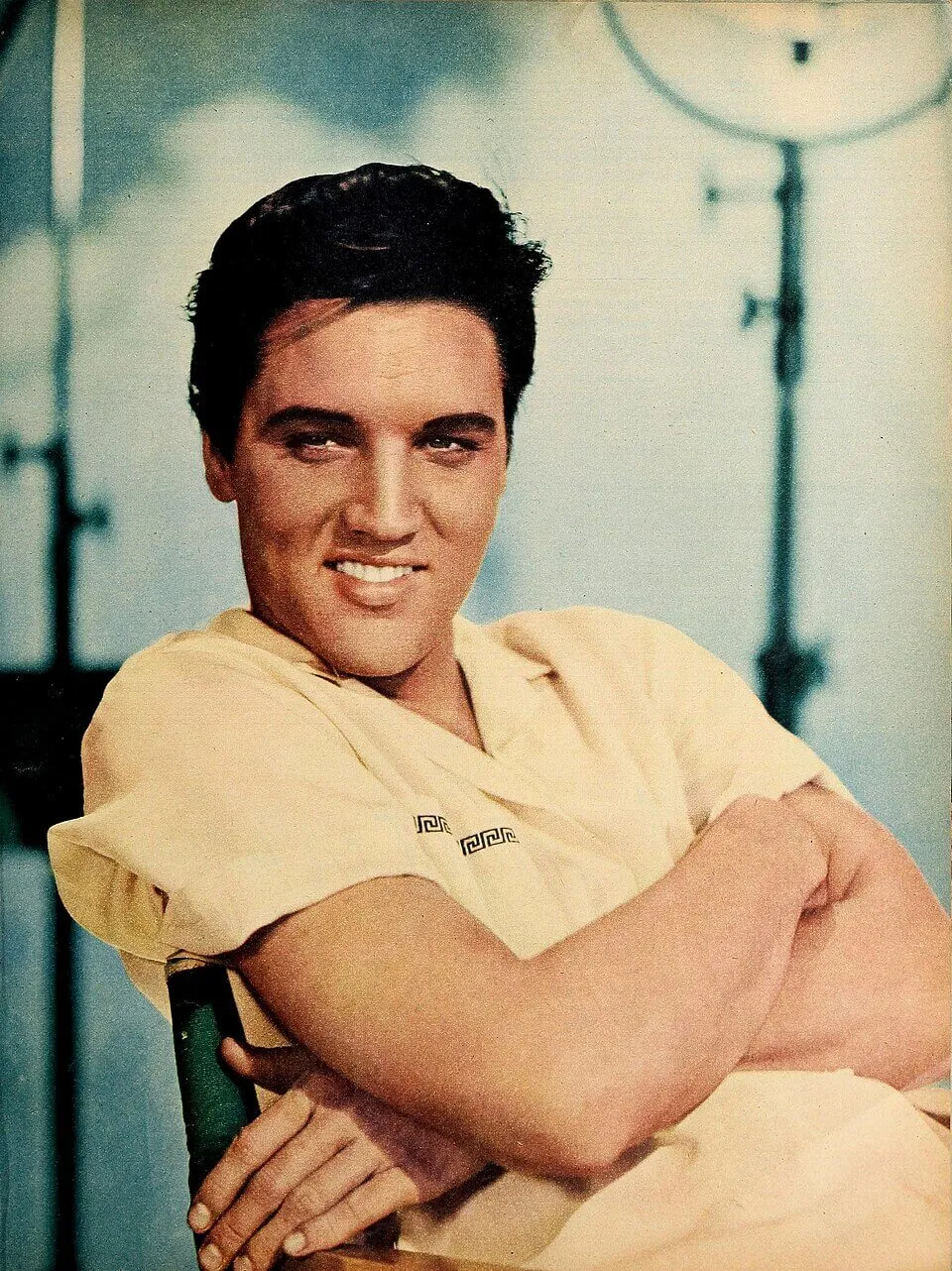
His hair changed again in 1957. Elvis’s natural hair was light brown, but on January 14, 1957, he had it dyed black while preparing for Loving You, his first movie filmed in color. He liked the way dark hair looked on film and kept the black color for much of the rest of his career, apart from periods when he returned to his natural color.
The darker hair made the pompadour and sideburns stand out even more, especially beside pale shirts, bright jackets, and large collars. By this point, his hairstyle and clothes worked together so closely that changing either one would have changed the whole look.
5. Television Turned His Clothes Into Part of the Show
National television gave millions of Americans their first close look at Elvis’s style. He could wear a sport coat, dress shirt, and trousers and still look very different from the older singers who usually appeared in dark suits and ties. Patterned jackets, open collars, dark trousers, and his high pompadour kept the clothes formal enough for television without making him look like a businessman.
His appearances on The Ed Sullivan Show made that contrast especially clear. During his first show in September 1956, Elvis wore a patterned sport coat with dark trousers and a light shirt. The jacket gave the outfit more color and texture than a plain suit, while the open collar kept the look young and relaxed.
His third and final appearance on January 6, 1957 became famous for another reason. After complaints about his earlier dancing, CBS told the camera crew to show him from the waist up for much of the performance. That framing put even more attention on his face, pompadour, sideburns, collar, and upper clothing.
Television helped turn those details into part of his public image. Viewers no longer saw only a singer wearing fashionable clothes. They saw the hairstyle, jackets, collars, and shirts together every time he moved toward the camera, making his look almost as memorable as the performances themselves.
6. His Movie Clothes Showed Another Side of Elvis
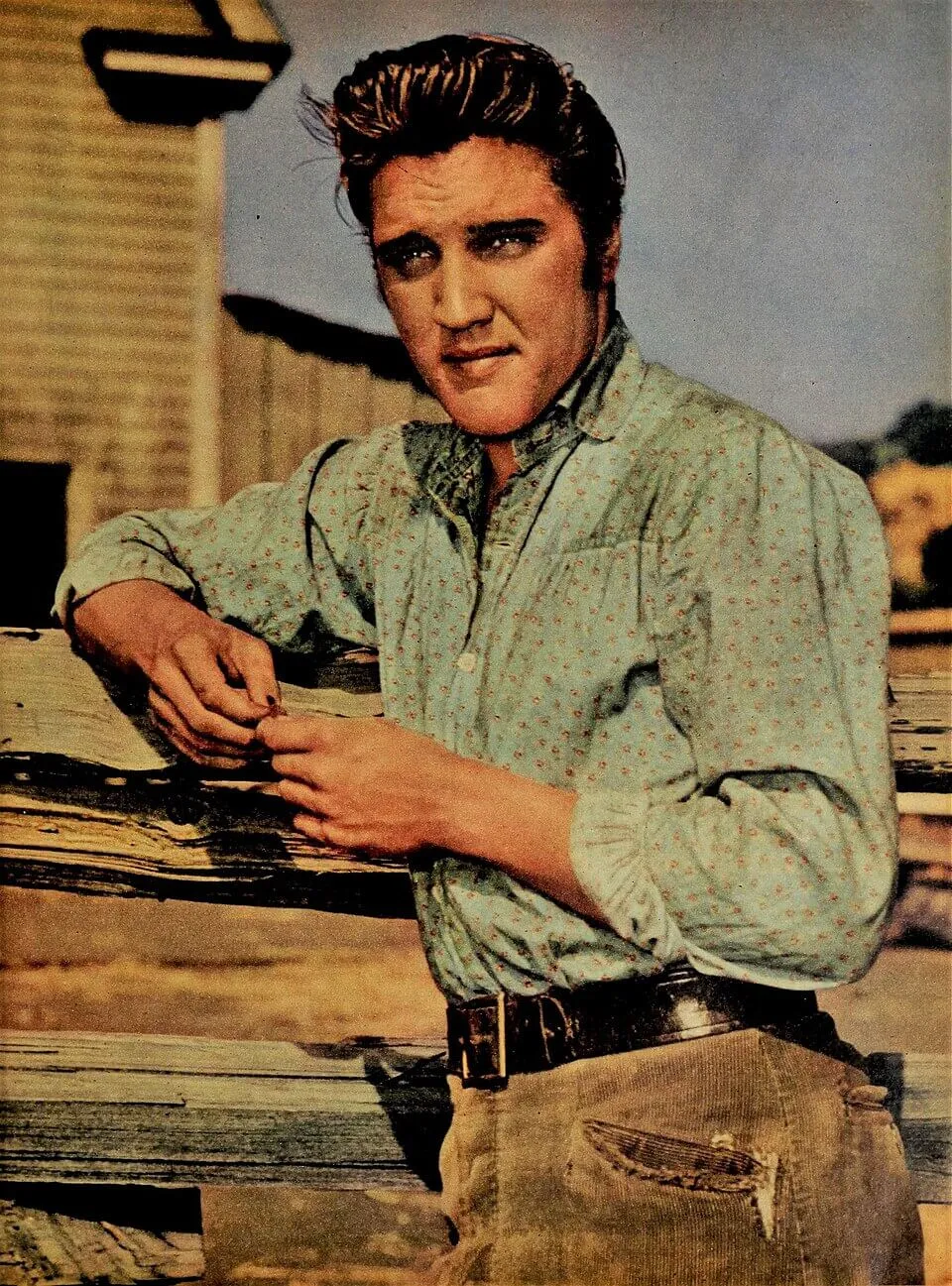
Elvis’s movies gave him room to wear clothes that looked very different from his early stage outfits. In Loving You (1957), he appeared in casual shirts and trousers as well as brighter performance clothes. Costume designer Edith Head led the wardrobe team for the film, which helped give Elvis a cleaner Hollywood look without removing the bold details people already connected with him.
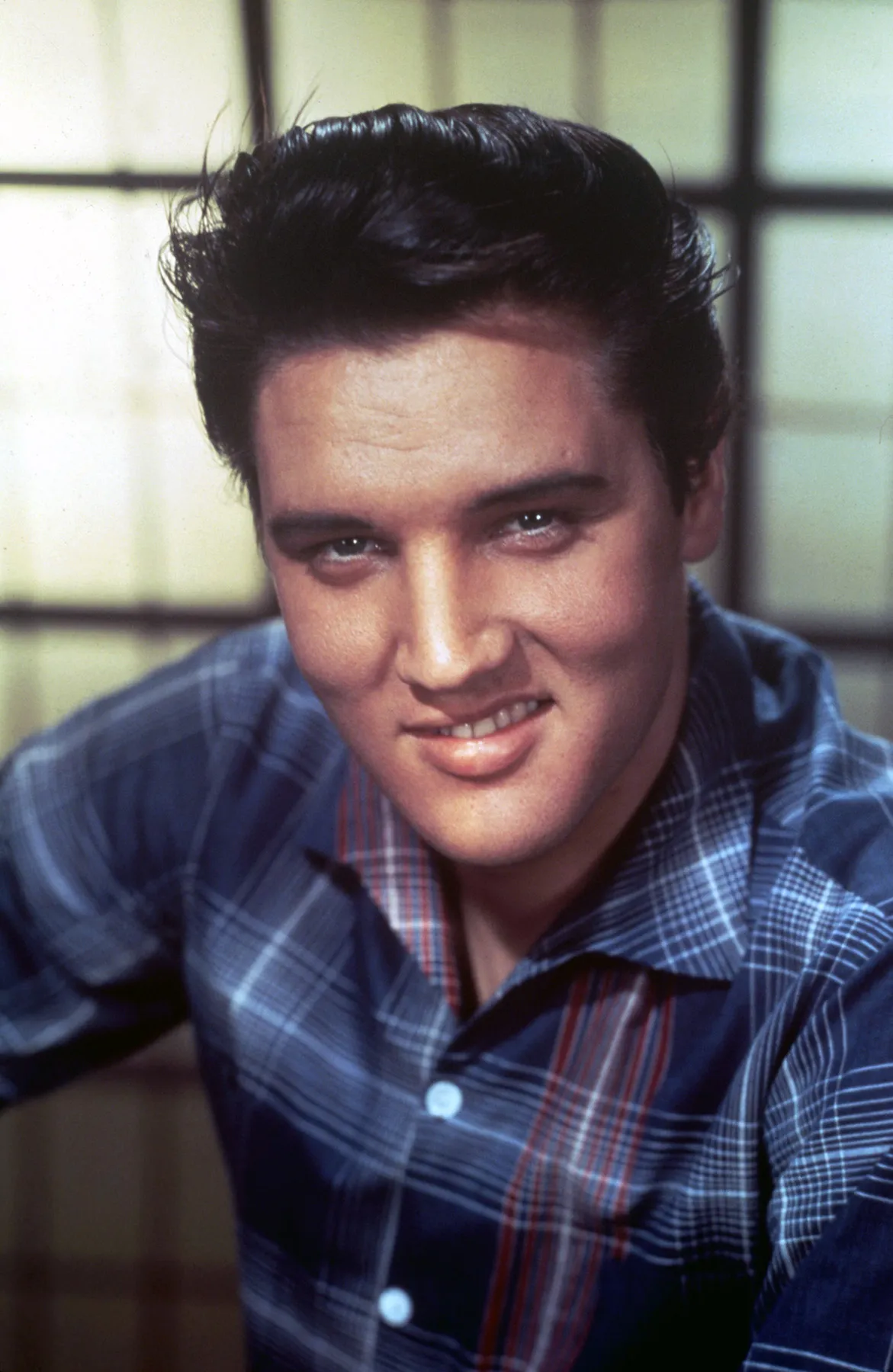
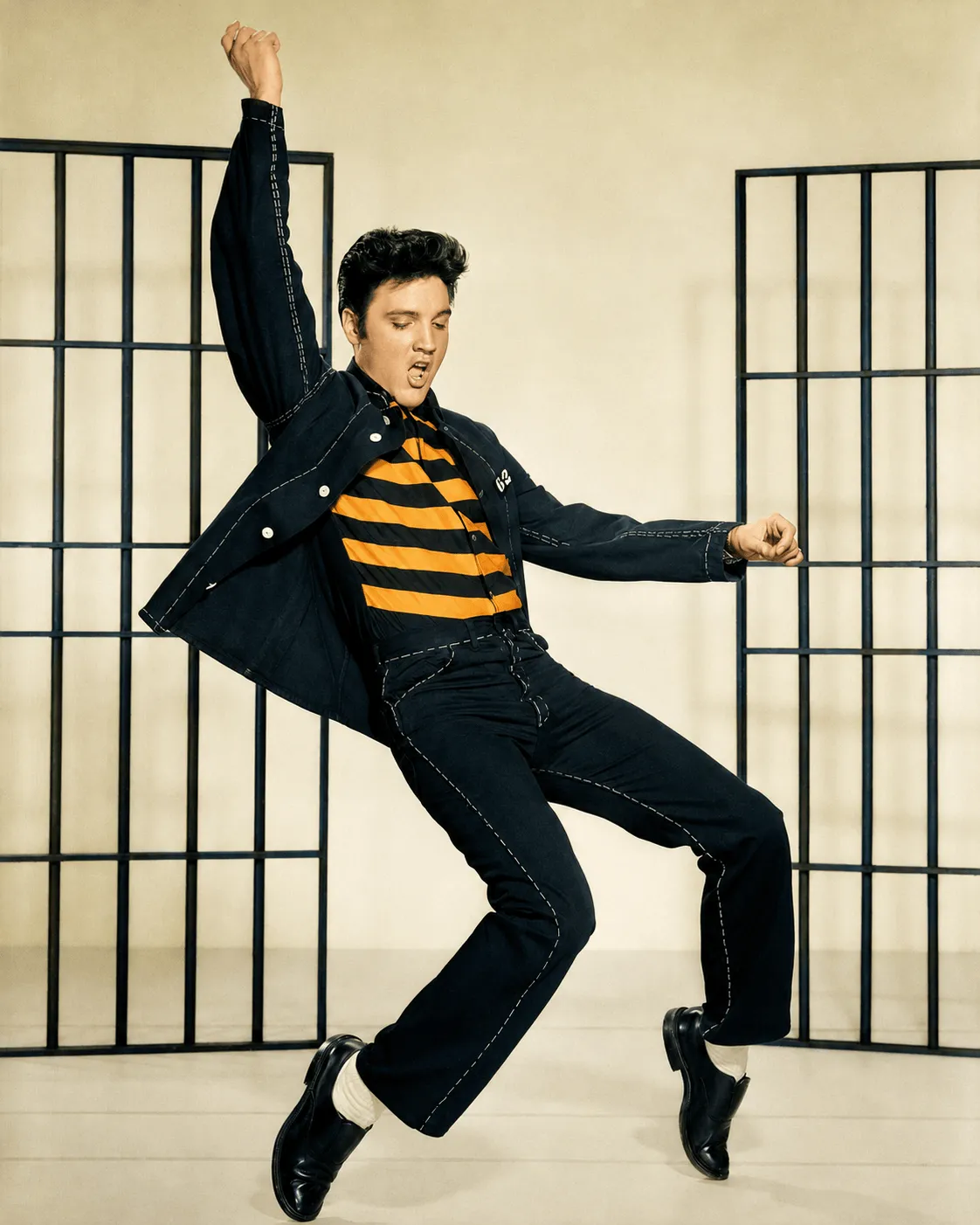
Jailhouse Rock (1957) took the look in another direction. For the famous title number, Elvis wore a dark jacket and trousers with a striped prison shirt and light stitching. The outfit showed that he did not need pink, gold, or a patterned sport coat to stand out. The narrow shape of the trousers, dark hair, sideburns, and the way he moved still made the look easy to recognize. The Jailhouse Rock dance sequence became one of the best-known moments of his film career.
His stage clothes reached the other extreme in 1957 with the gold lamé suit created by Nudie Cohn. The metallic suit turned his stage wardrobe into something much more theatrical. Nudie Cohn’s gold lamé suit later appeared on the cover of 50,000,000 Elvis Fans Can’t Be Wrong in 1959.
These movie and stage looks showed how wide Elvis’s style had become by the end of the 1950s. He could wear a simple casual shirt, a dark prison outfit, or a full gold suit and still keep the same sharp, youthful image.
7. In the Early 1960s, His Style Became More Polished
After Elvis returned from the Army in 1960, his wardrobe began to look cleaner and more tailored. He still kept the dark pompadour, high collars, and strong color choices from the 1950s, but he increasingly wore fitted shirts, sport coats, sweaters, slim trousers, and sharp suits. Hollywood tailor Sy Devore also made clothes for Elvis during this period, along with stars such as Frank Sinatra, Dean Martin, and Sammy Davis Jr.
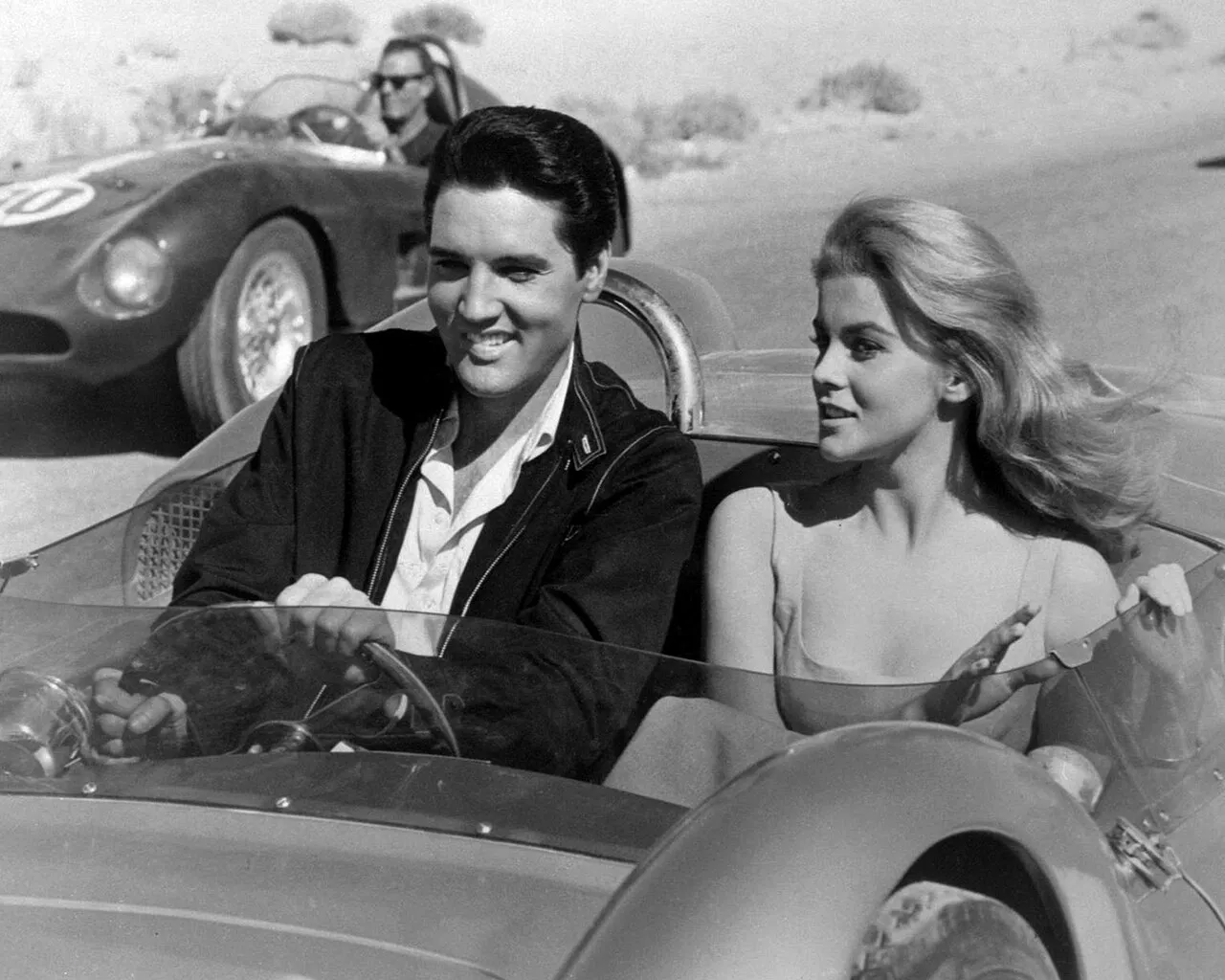
His movie wardrobe shows the change clearly. Instead of relying on oversized collars and flashy stage clothes, Elvis often wore simpler pieces with a closer fit and cleaner lines. Light jackets, open-neck shirts, polo-style tops, and neatly tailored trousers gave him a more mature look while still keeping his clothes youthful.
By Viva Las Vegas in 1964, that Hollywood style had become a major part of his image. A surviving costume sketch for the film shows an orange shirt with a black jacket and black trousers, while other scenes put him in sweaters, sport coats, and suits. The colors still caught the eye, but the clothes looked more controlled and polished than the pink shirts, pegged trousers, and large cuffs of his early career.
Elvis changed his clothes as his career moved from rock-and-roll stages to Hollywood movies, but he kept the details that made his style recognizable. Strong colors, sharp contrasts, dark hair, and carefully chosen jackets and shirts remained part of his look even as the cuts became cleaner.
Why Elvis Presley’s Style Looked So Different
Elvis stood out because he mixed several styles instead of following just one. He combined colorful Memphis fashion, sharp tailoring, bold grooming, stage clothes, and later a cleaner Hollywood look. The clothes changed over time, but the strong colors, fitted cuts, dark hair, and eye-catching details stayed part of his image.
Which Elvis look is your favorite? Leave a comment and let us know.
Comments · 0
Sort
Be kind — comments are public and follow the community guidelines.