The 1920s were a decade of fast change, but everyday life still moved at a very human pace. Families gathered around the radio in the evening, people dressed carefully before going into town, streetcars rattled through busy city streets, and many household chores still took hours of manual work.
In this article
New cars, electric appliances, movies, jazz, department stores, and advertising were becoming part of daily life, while millions of people still lived in small towns or rural areas where change arrived more slowly.
In this article, we’ll look at what ordinary life was really like in the 1920s, from home routines and work to shopping, entertainment, clothing, communication, and a typical day from morning to night.
What Did Everyday Life Look Like in the 1920s?
Everyday life in the 1920s could look very different depending on where you lived, how much money your family had, and what kind of work you did.
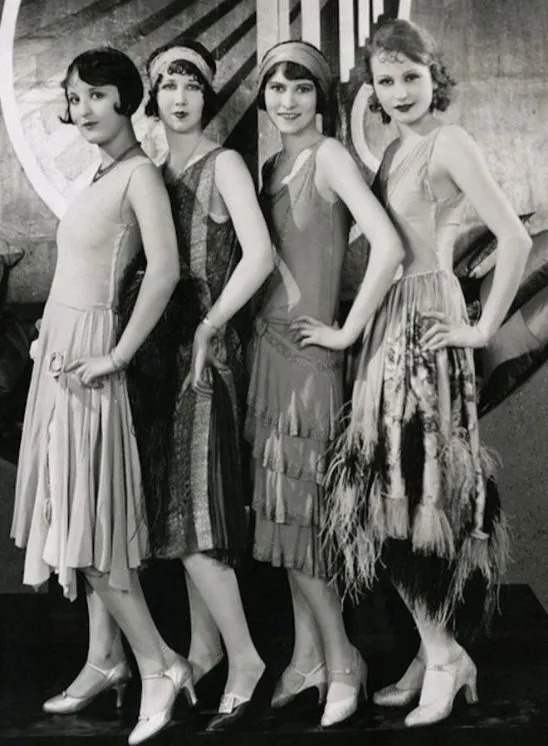
The decade is often remembered for jazz clubs, speakeasies, fast cars, and bold flapper style, but most people spent their days working, shopping, cooking, cleaning, visiting friends, and taking care of their homes.
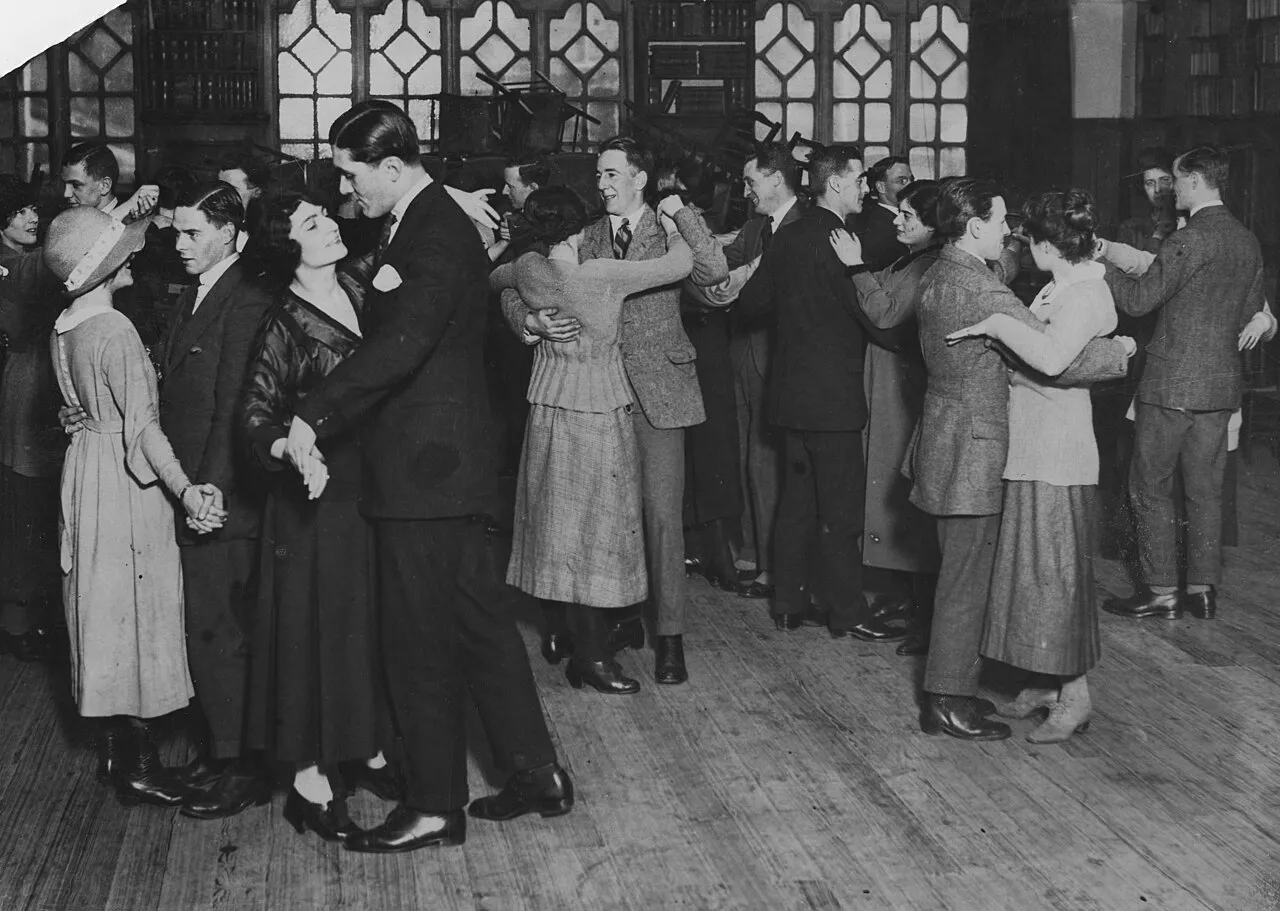
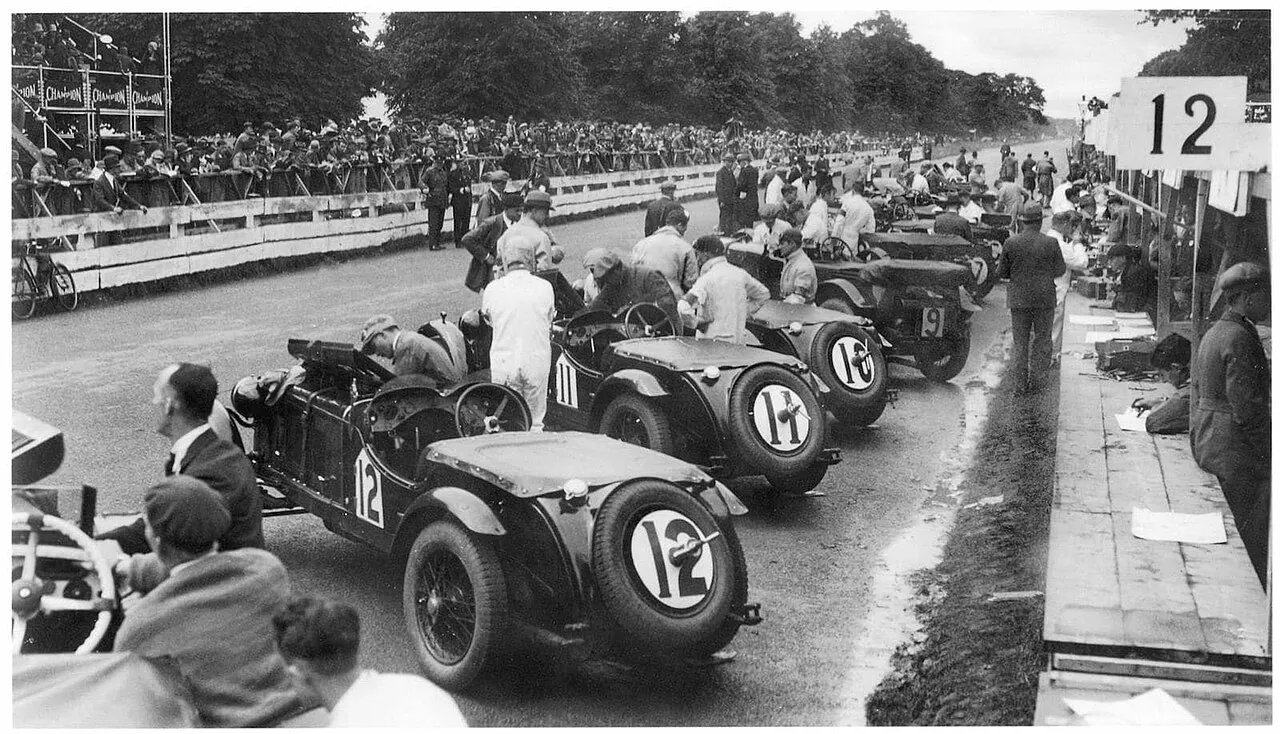
Sundays were often slower and more social, with church, a larger family meal, visits with relatives, a walk in the park, a baseball game, a horse race or automobile race, or a drive if the family owned a car.
America itself was changing quickly. The 1920 census was the first in which more than half of the U.S. population was counted as living in urban areas, showing how important cities had become.
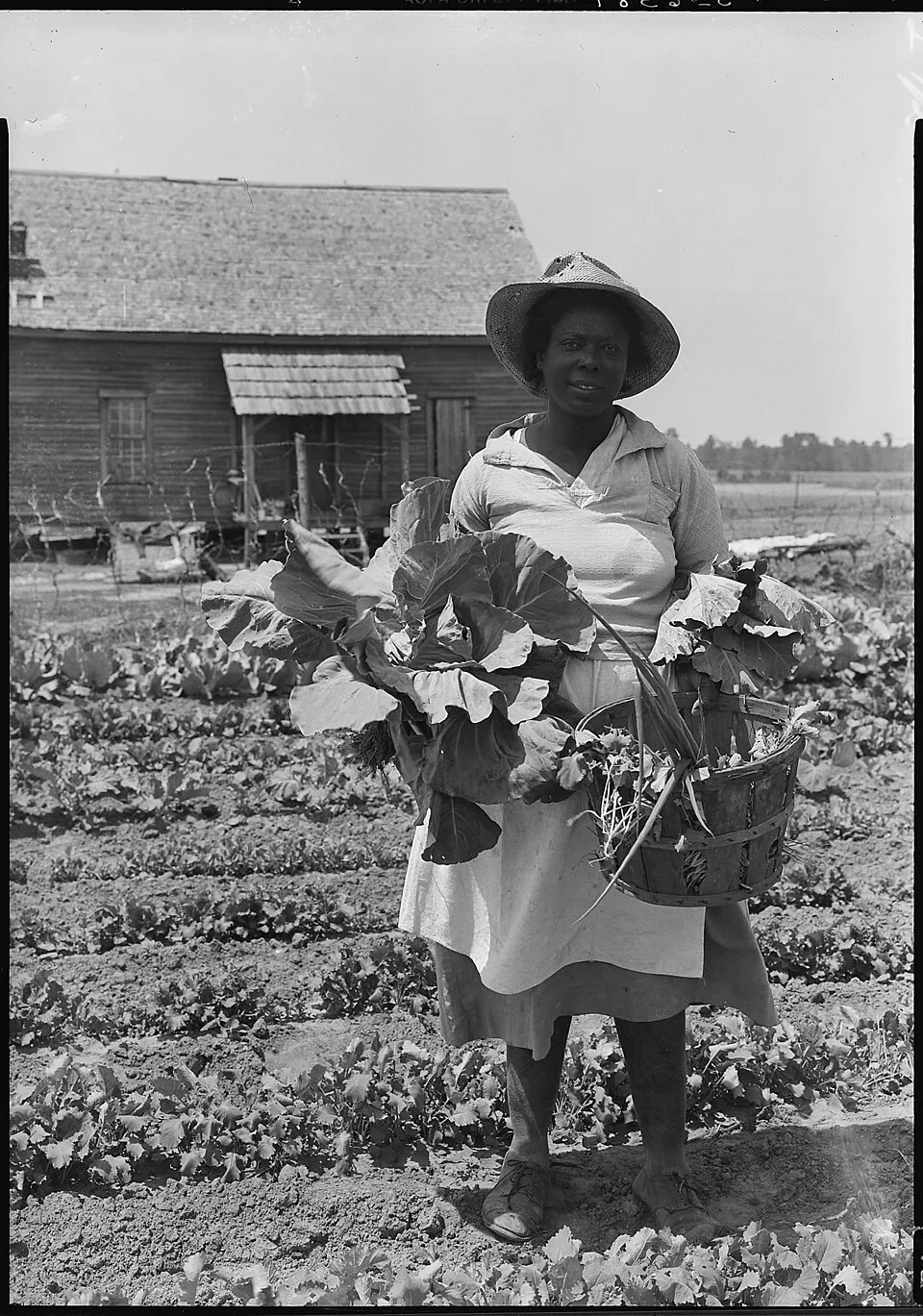
At the same time, millions of Americans still lived in small towns, farming communities, and rural areas where daily routines could be quite different.
New products also became more visible in ordinary life. Mass production made cars, household goods, clothing, and other products available to a wider market, while catalogs, magazines, and the growing advertising industry encouraged people to buy the latest goods.
Home Life, Meals, and Household Chores
Home life in the 1920s still involved a lot of physical work, especially for women. Cooking, cleaning, laundry, ironing, sewing, and caring for children could fill much of the day. In a 1924 study of housewives in Middletown, Indiana, almost 90 percent reported spending 4 hours or more each day on housework.
Laundry was one of the hardest household jobs. Clothes were soaked, scrubbed, rinsed, pushed through a wringer if the family had one, and then hung outside to dry.
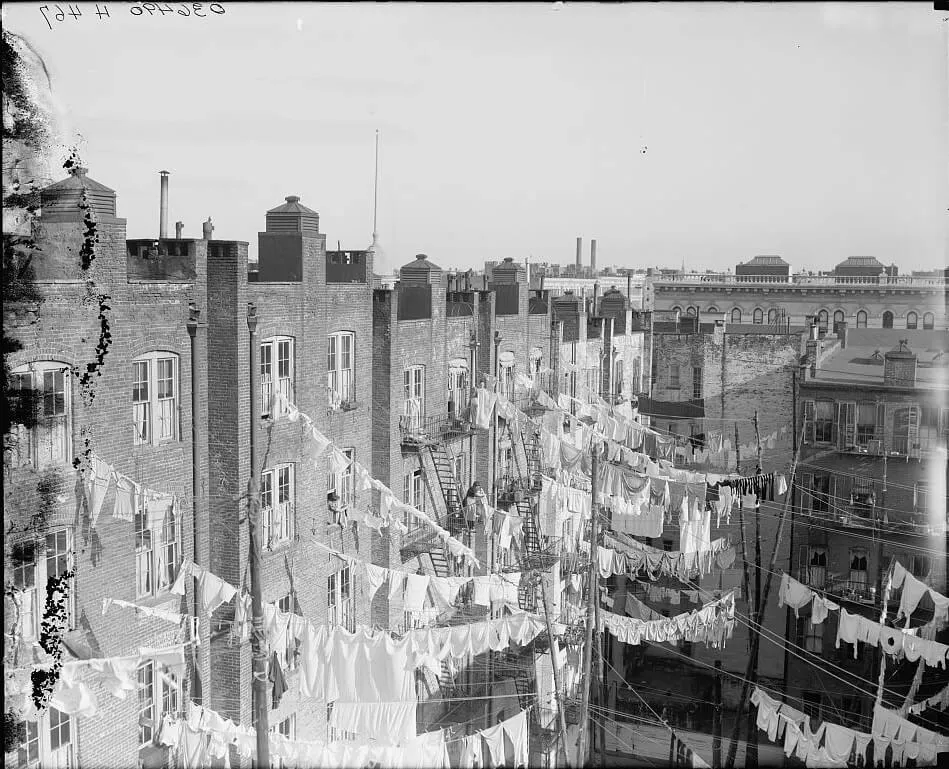
In crowded city neighborhoods, washing often appeared on long clotheslines stretched across courtyards, rooftops, and between apartment buildings.
Pulley lines allowed families living several floors up to hang clothes directly from their windows. The above image is a good example (I mean, the photo is from around 1910s, but scenes like this were still common in the 1920s).
Electric washing machines were becoming more common during the decade, but plenty of families still washed clothes largely by hand.
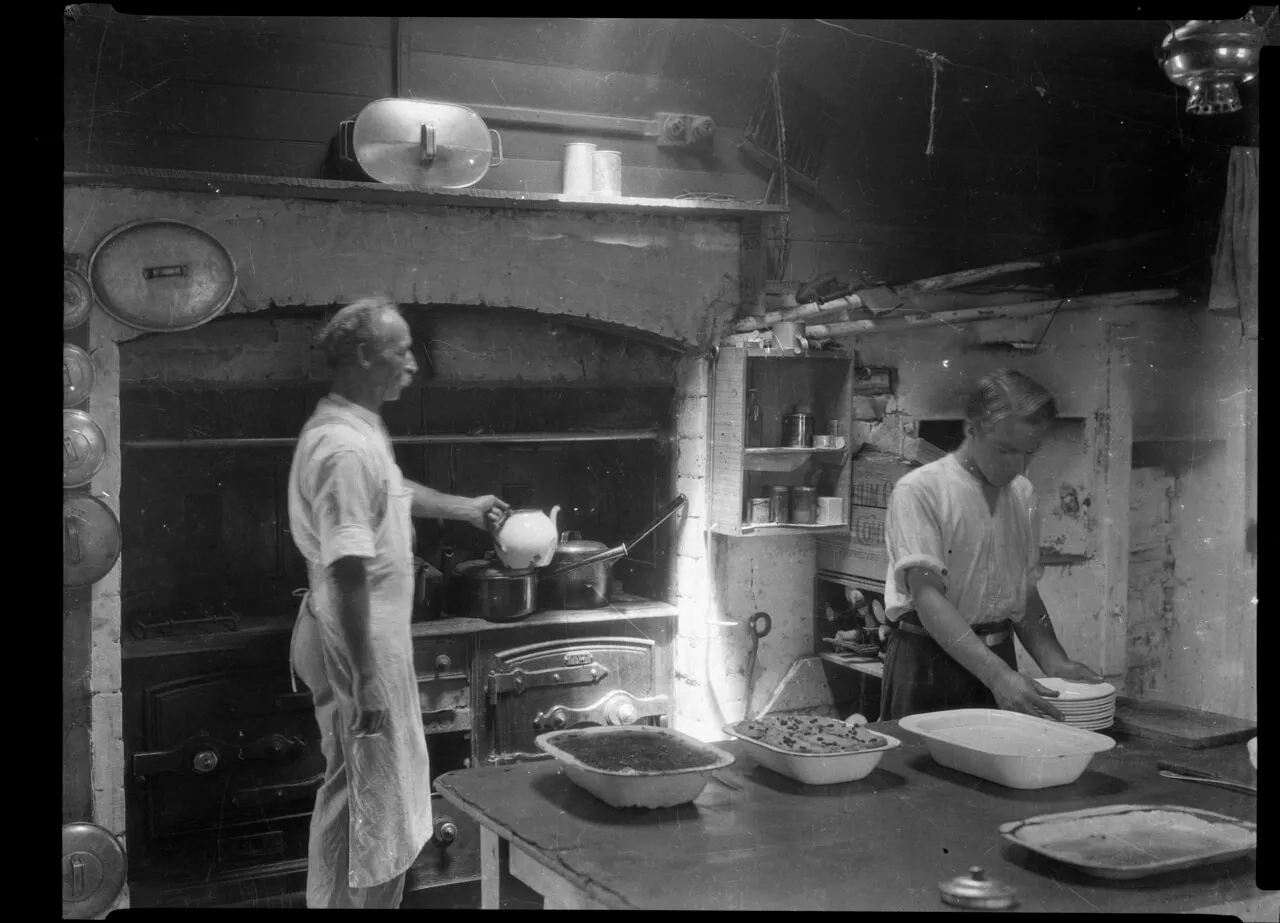
The kitchen could look modern or surprisingly old-fashioned depending on the home. Gas ranges were common in many towns and cities, while coal and wood cookstoves were still widely used.
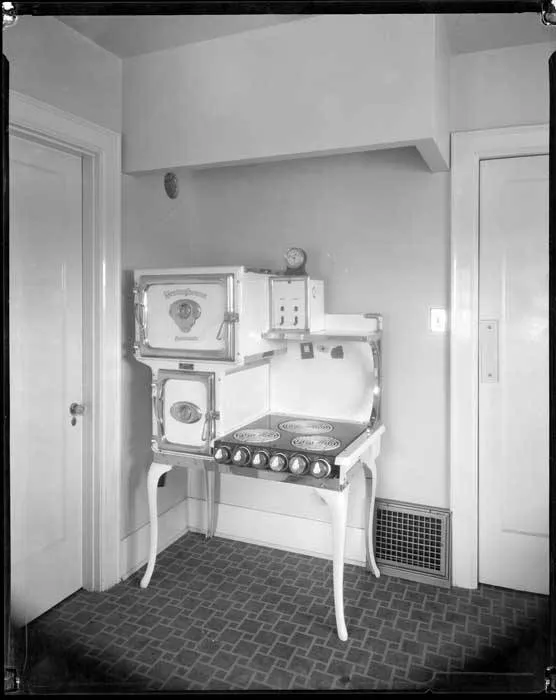
Electric stoves were also appearing in better-equipped homes by the mid-1920s. Sears, Roebuck was already advertising electric kitchen ranges around this time, although they were still far from standard in every household.
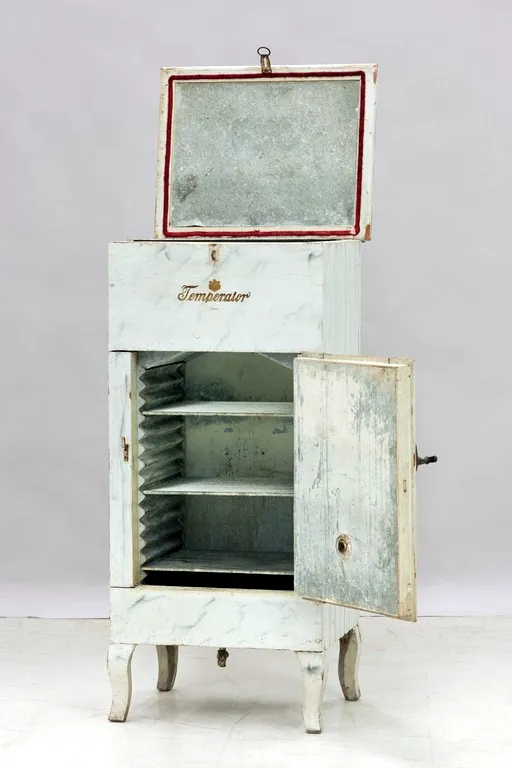
Food storage was another chore. Many families still used an icebox, with an iceman delivering a heavy block of ice that went into a separate compartment above or beside the food. Household blocks could weigh as much as 100 pounds.
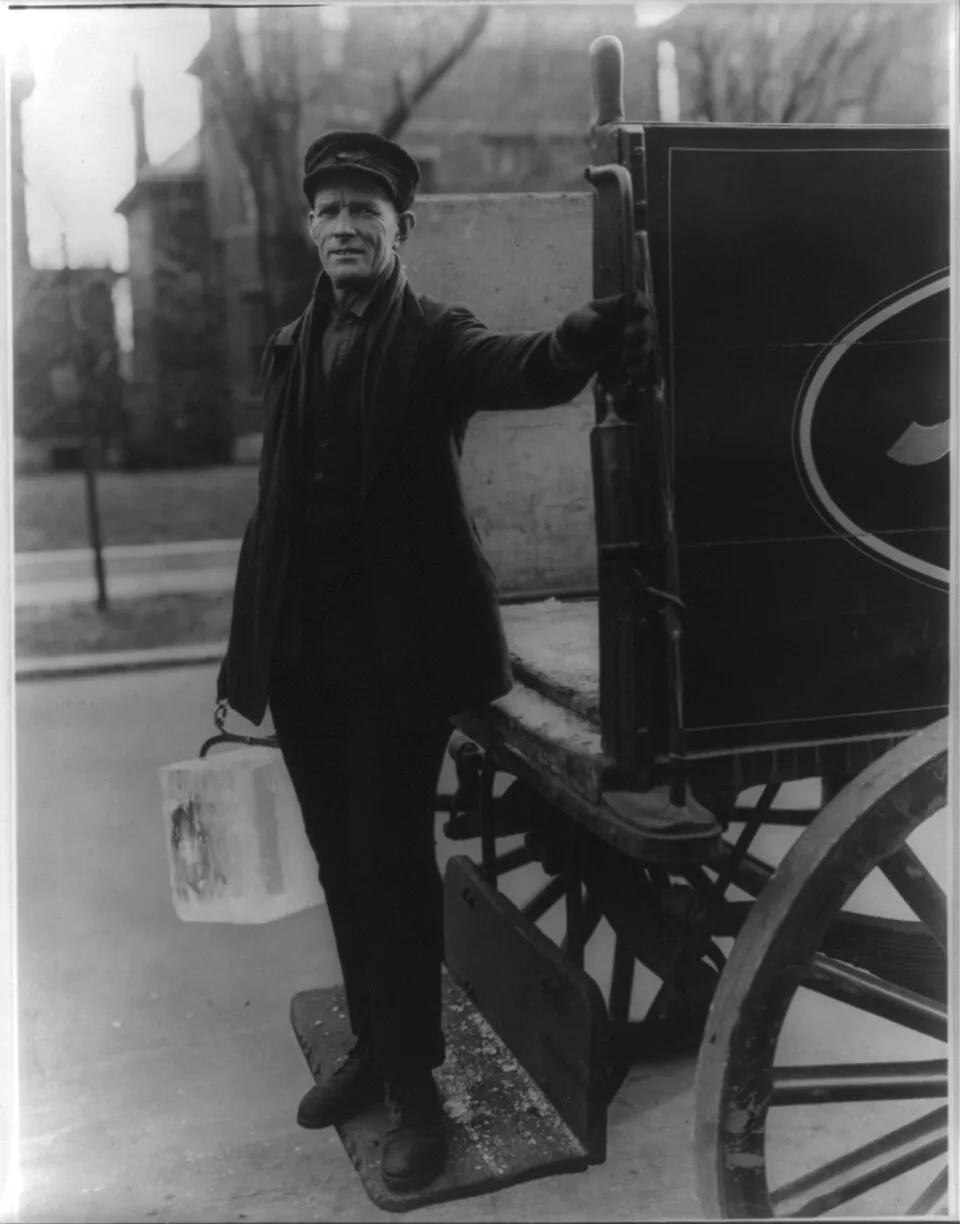
Electric refrigerators had reached the market by the late 1910s, but the earliest models could cost between $500 and $1,000, making them a luxury at first. They became more common toward the end of the 1920s.
Companies that made kitchen fixtures, appliances, cabinets, washing equipment, and other household products were well aware of how much time women spent on daily chores, and their ads often promised to save time, effort and labor as shown in these two 1920s ads.
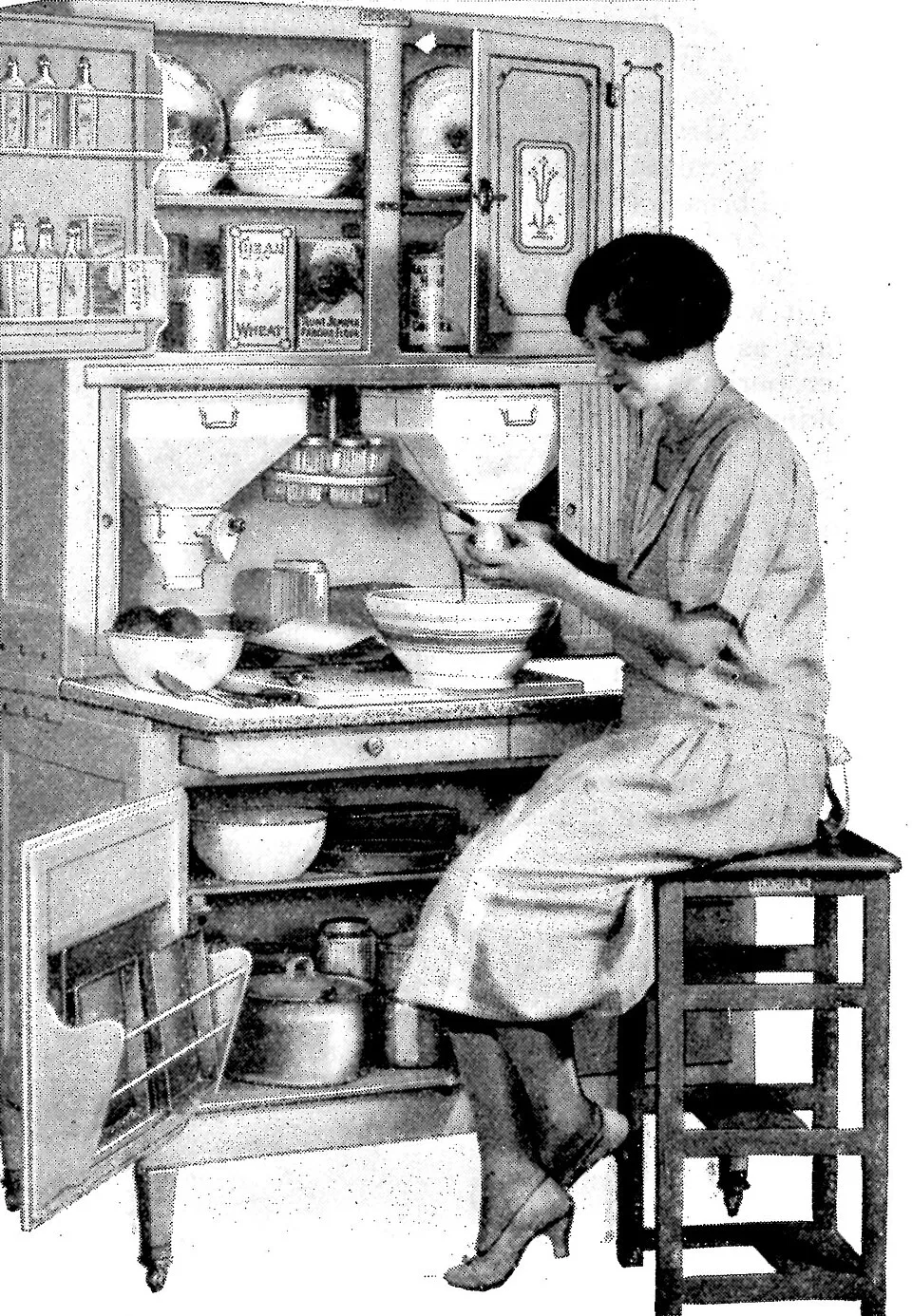
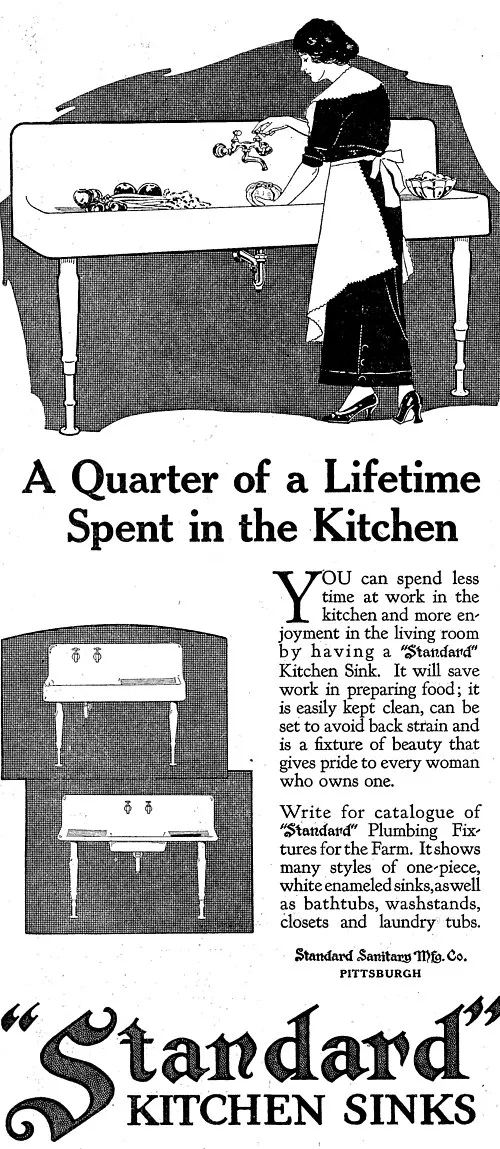
One promised to “save housewife’s labor,” while the 1920 sink ad claimed a woman could spend a quarter of her lifetime in the kitchen, then used that problem to sell a more convenient sink.
Daily routines like these made a summer vacation feel like a real break from the usual cycle of cooking, washing, and household work.
Work and the Working Day
For many Americans work meant long hours and often a six-day week. City jobs ranged from factory and construction work to stores, hotels, offices and railroad yards.
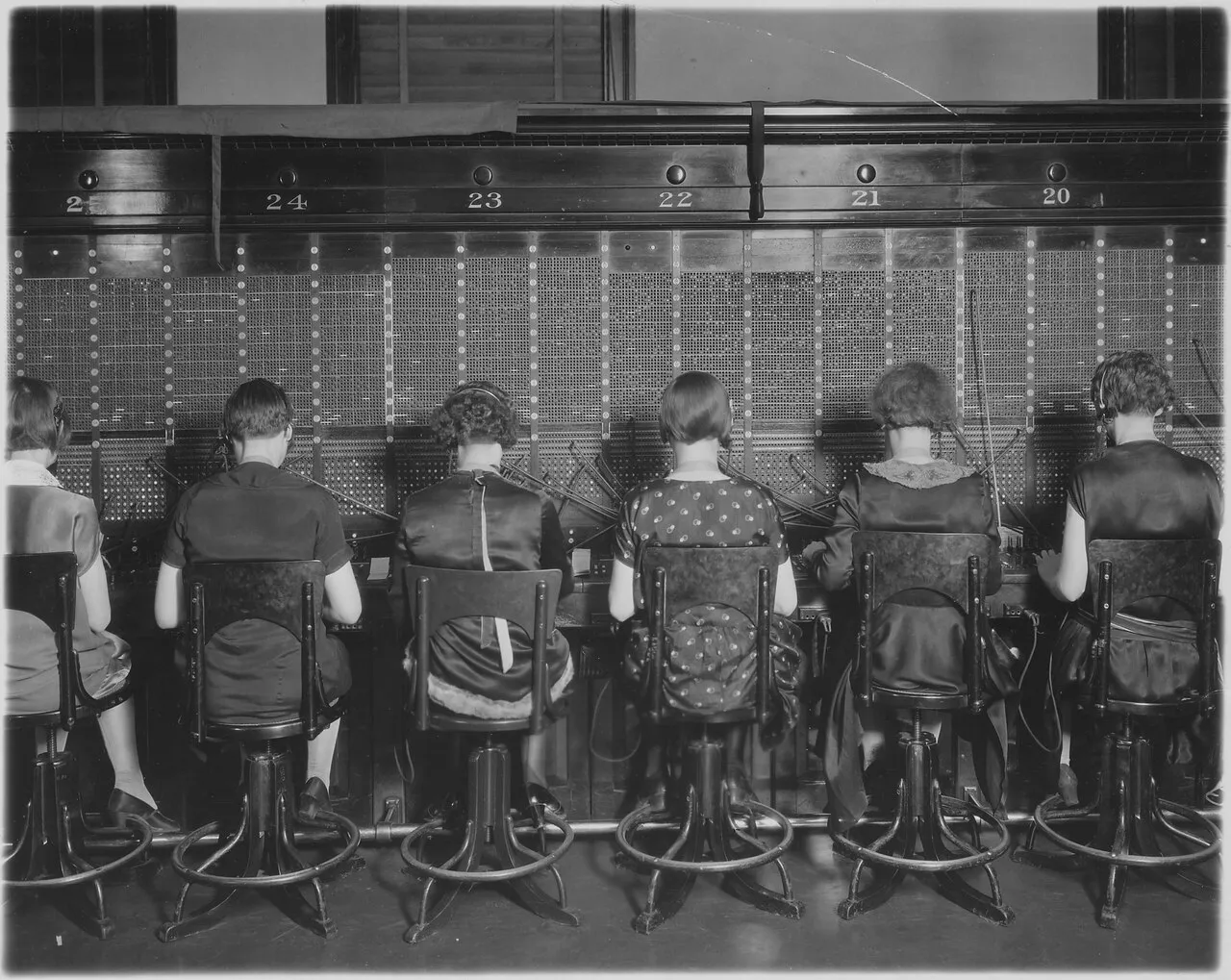
Clerks, typists, bookkeepers and telephone operators became increasingly common as businesses expanded. A 48-hour week was still widespread enough that Ford made headlinez in 1926 when it introduced a 40-hour workweek for its factory employees.
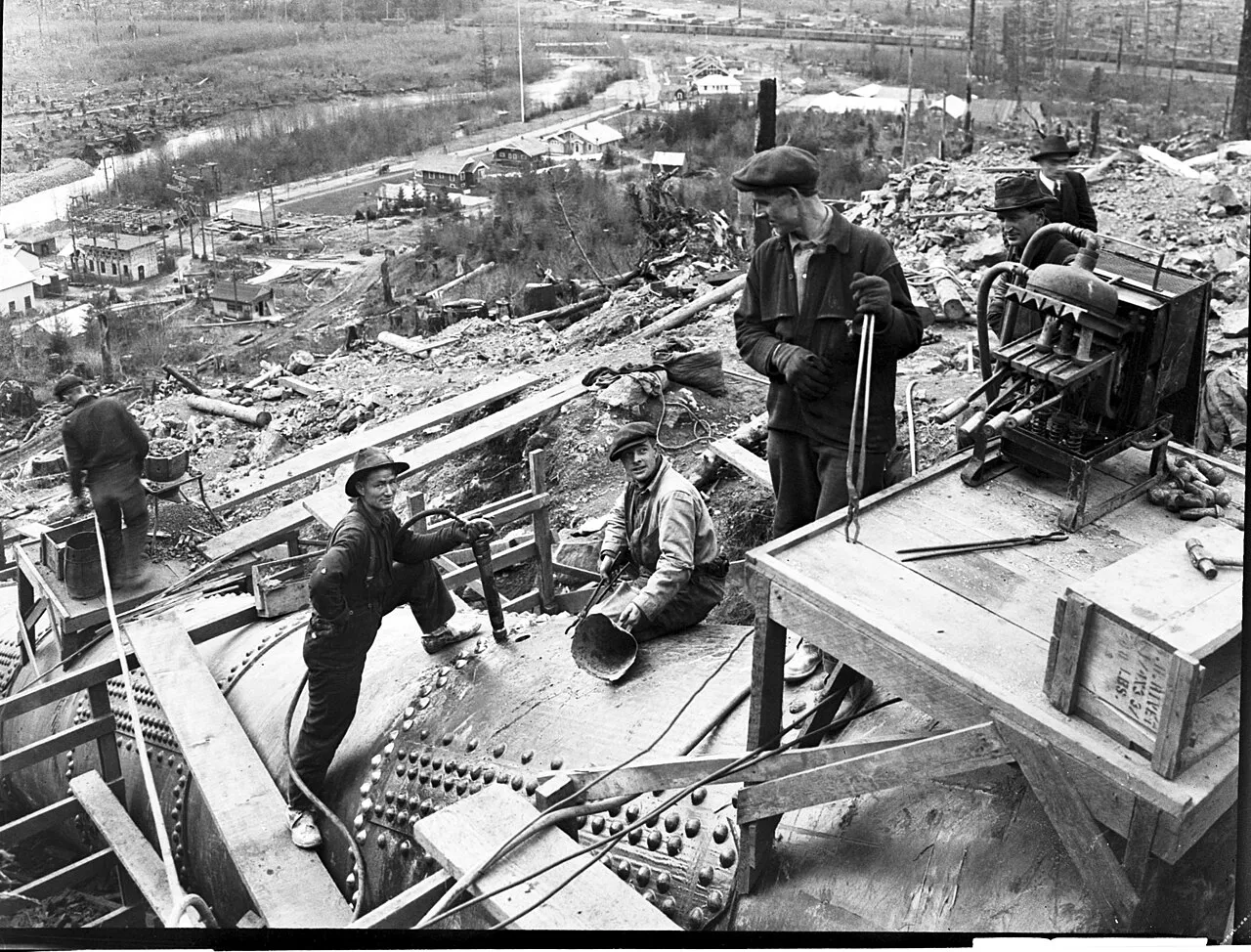
Ford also saw shorter hours as good for business: workers with more leisure time had more chances to enjoy and buy consumer goods, including cars, while a shorter week could also improve productivity.
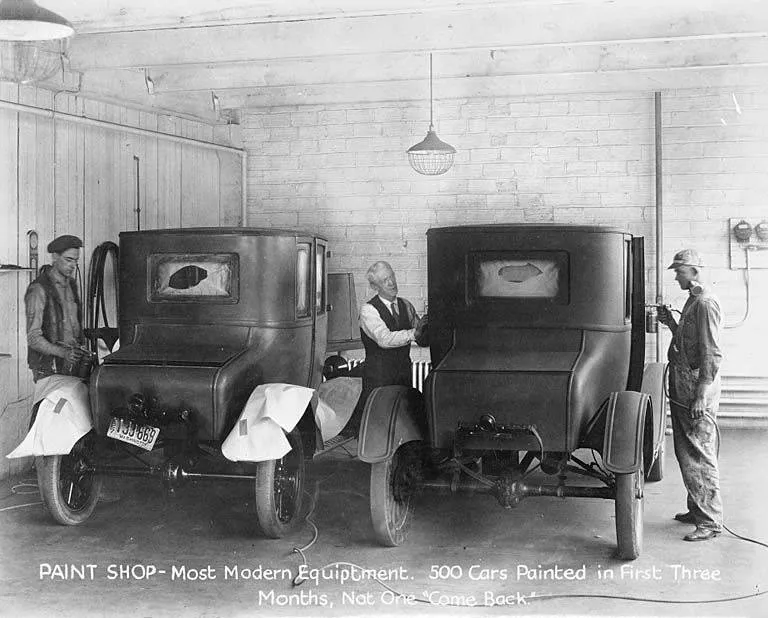
Women made up about 20 percent of the workforce in 1920. Many worked in domestic service, offices, clothing factories, shops, and food production.
Pay varied greatly by job and industry, but manufacturing workers were earning around $24 a week by the middle of the decade, according to surviving weekly wage records.
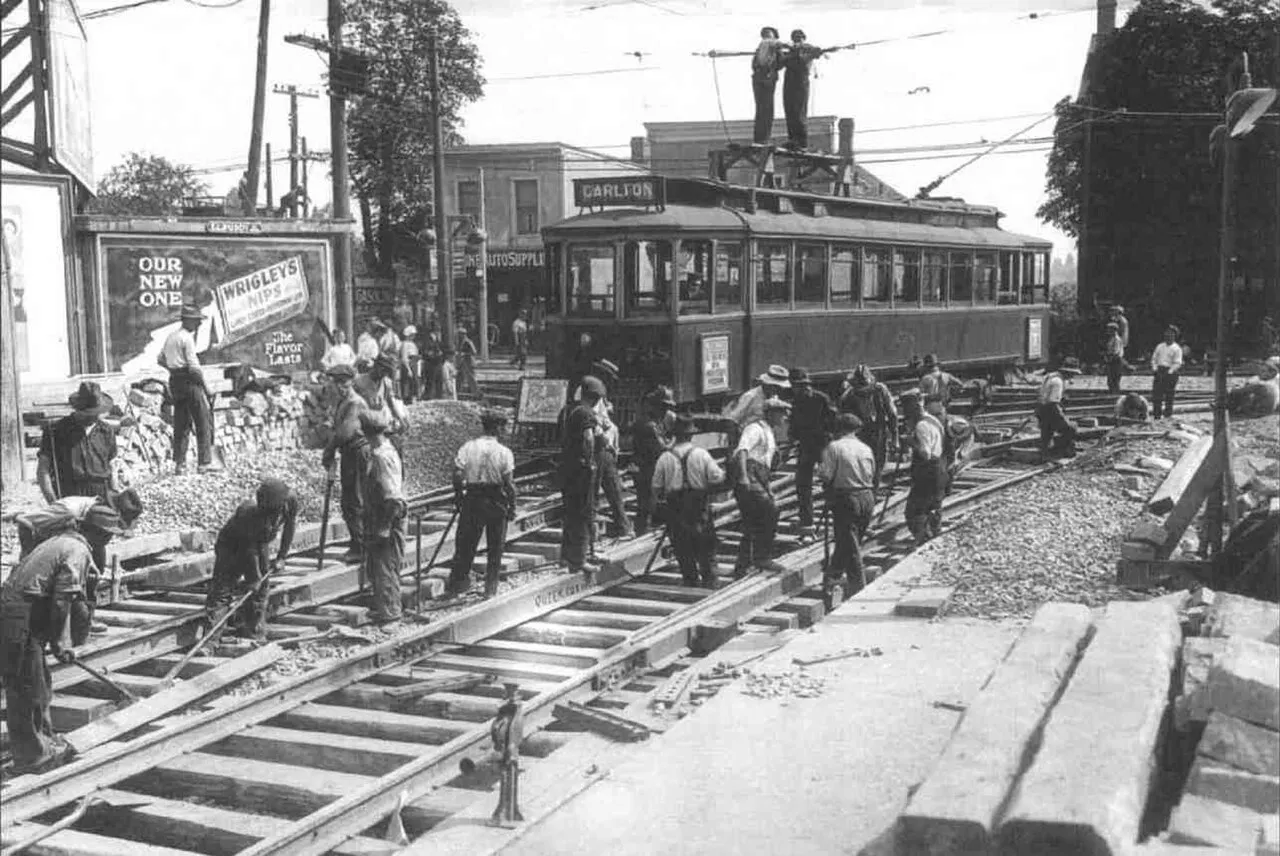
Getting to work often meant walking, streetcars, buses, subways, or commuter trains. U.S. transit systems recorded about 17.3 billion passenger trips in 1926, showing how important public transportation still was.
Farm workers followed a very different routine, with days shaped more by livestock, planting, harvests, weather, and daylight than by an office clock.
Free Time, Entertainment, and Social Life
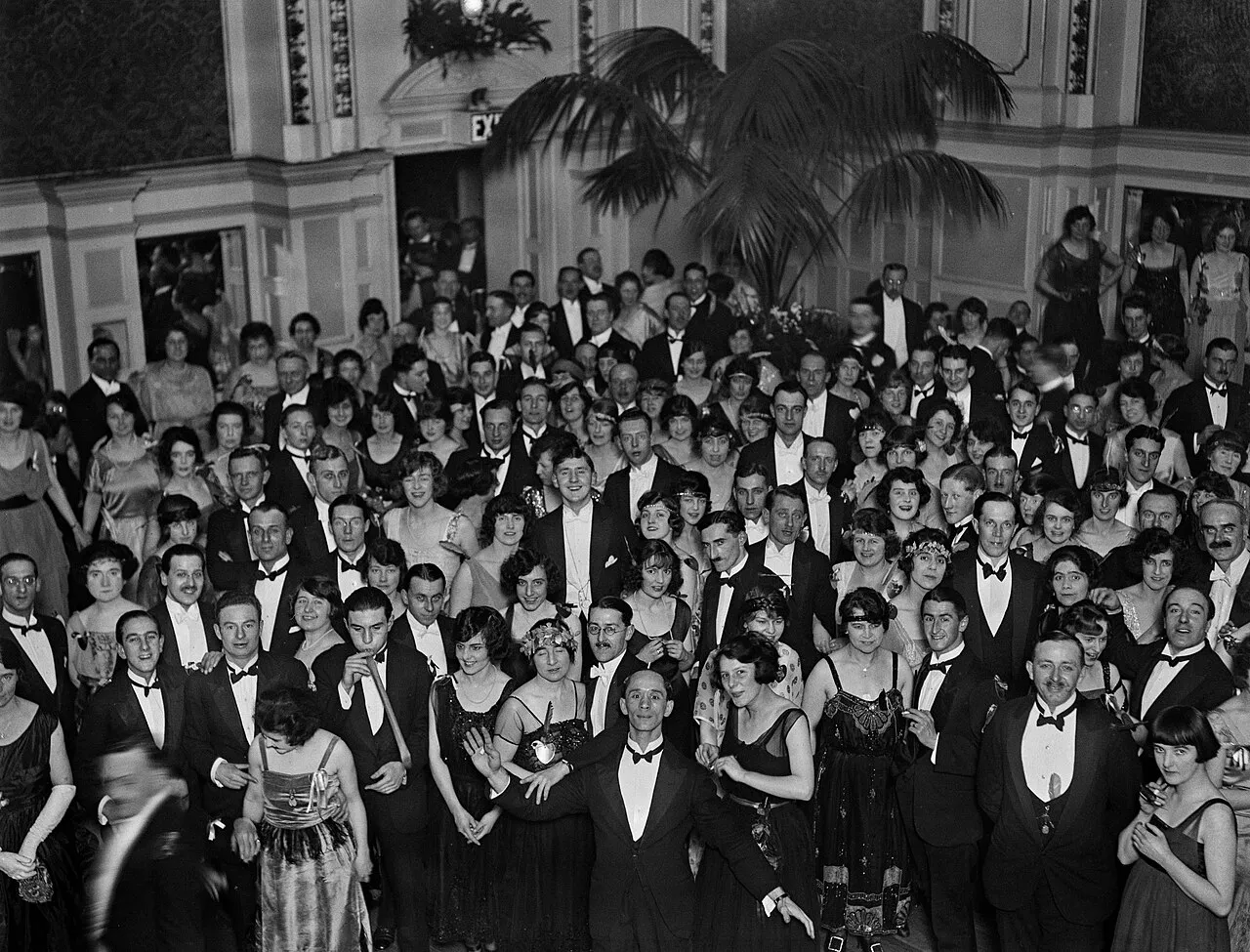
Free time became a bigger part of everyday life during the 1920s, and much of the new entertainment could be enjoyed right at home.
Families listened to music, comedy, news, sports, and live performances on the radio, while phonographs and vinyl records remained popular for playing music whenever they wanted.
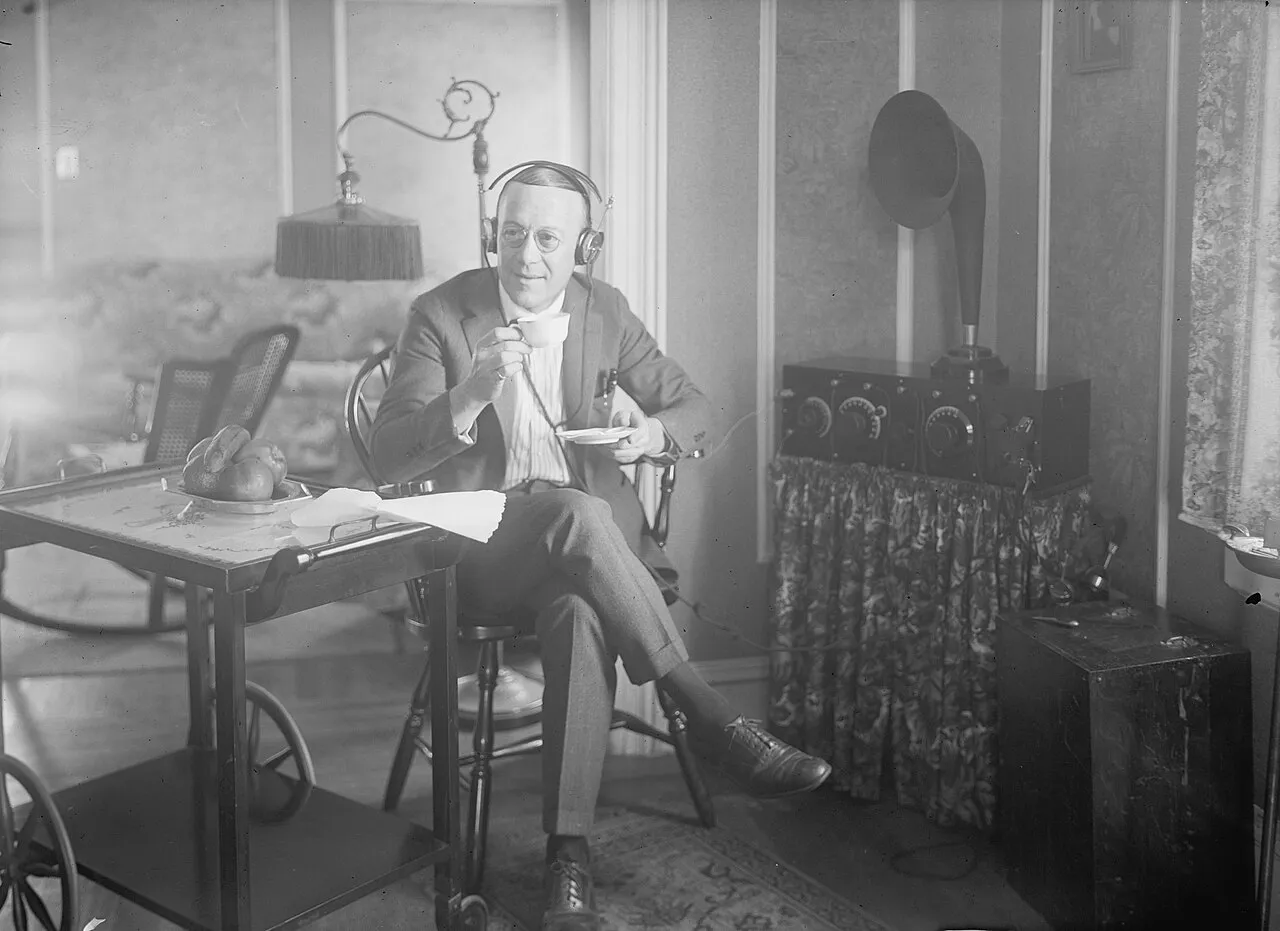
Radio ownership grew incredibly fast, from only about 60,000 U.S. households in 1922 to 2.75 million in 1925, and by 1930 almost 14 million households had one. This rapid growth of radio also brought sports into the living room.
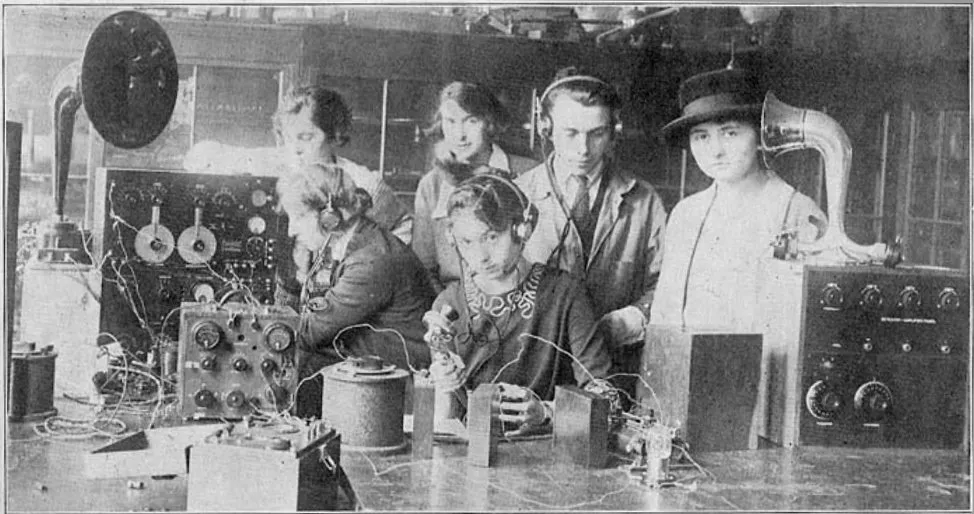
The first Major League Baseball game was broadcast by radio in 1921, giving fans a new way to follow their favorite teams. Newspapers and magazines still remained a daily habit, especially for local news, sports scores, movie listings, advertisements, and celebrity stories.
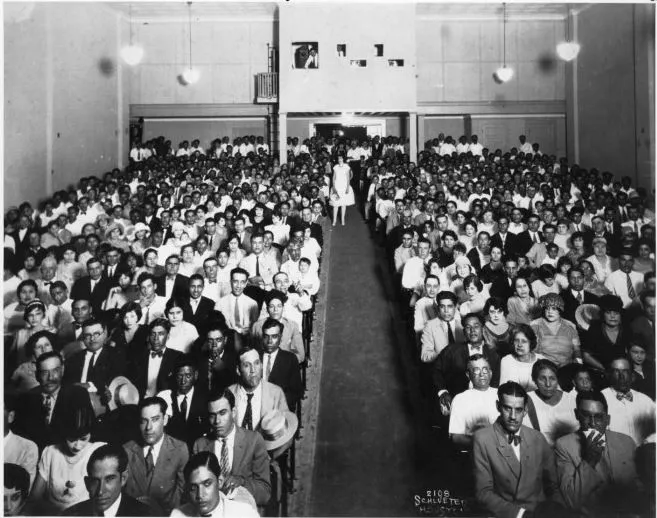
Going out offered even more choices. Movie theaters were everywhere, from small neighborhood cinemas to huge movie palaces in major cities. Weekly U.S. movie attendance rose from around 40 million in 1922 to 80 million by 1929, according to surviving movie attendance records.
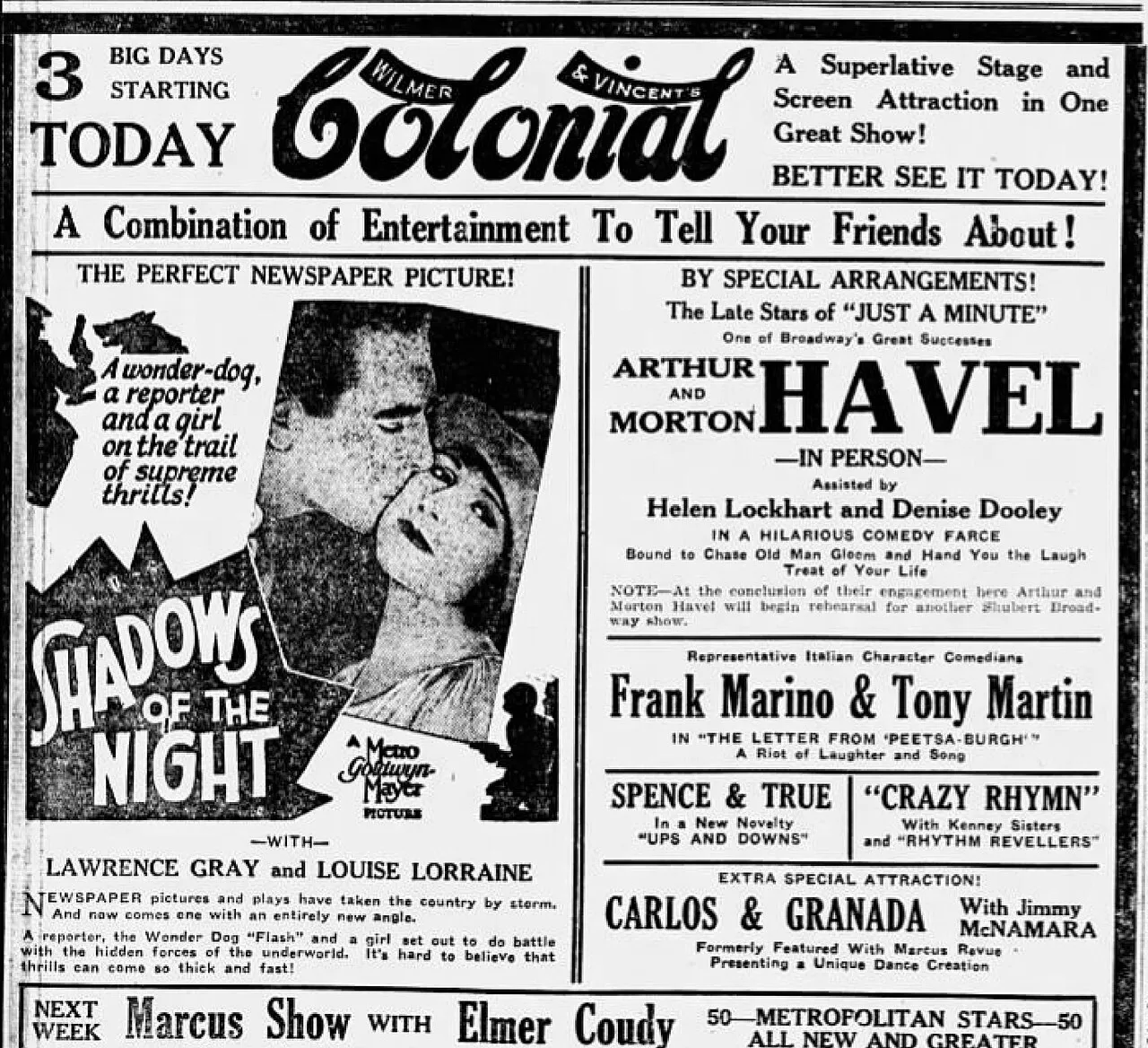
People also filled dance halls, restaurants, ballparks, boxing arenas, and amusement parks. Places such as Coney Island offered rides, games, restaurants, beaches, and dance halls, making a full day of entertainment possible without leaving the city.
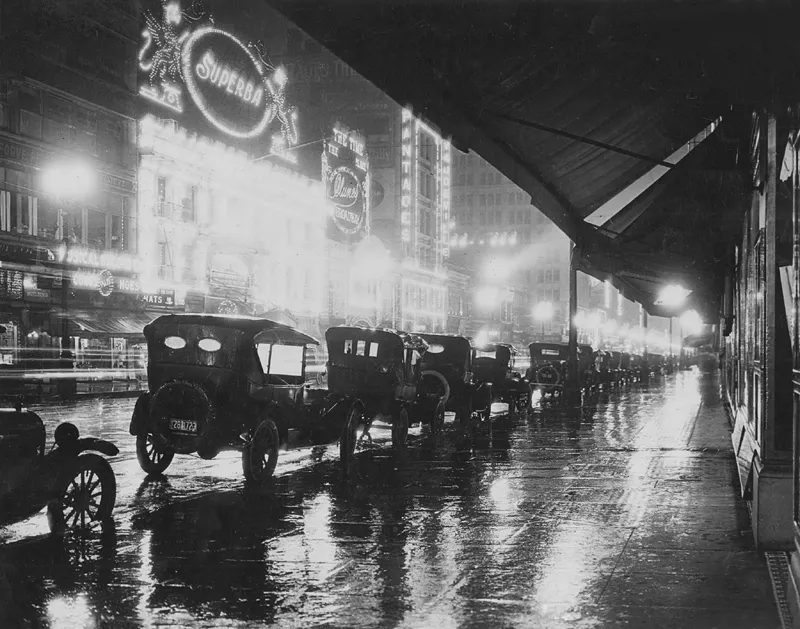
Nightlife became one of the decade’s most memorable social scenes, especially in larger cities. Jazz bands played in clubs and dance halls, speakeasies flourished during Prohibition, and younger crowds tried dances such as the Charleston, which could be danced with a partner or alone.
What People Wore Every Day
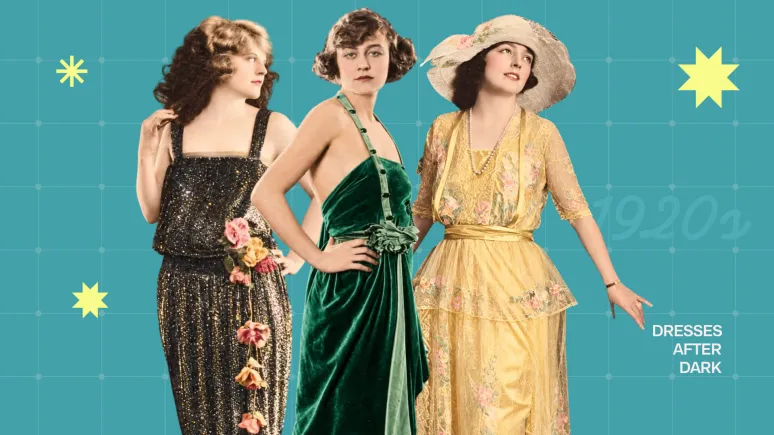
Everyday clothing in the 1920s often looks surprisingly elegant by today’s standards. A simple walk into town could mean a day dress, stockings, leather shoes, and a hat for a woman, while many men wore trousers, a collared shirt, jacket, tie, and hat when out in public.
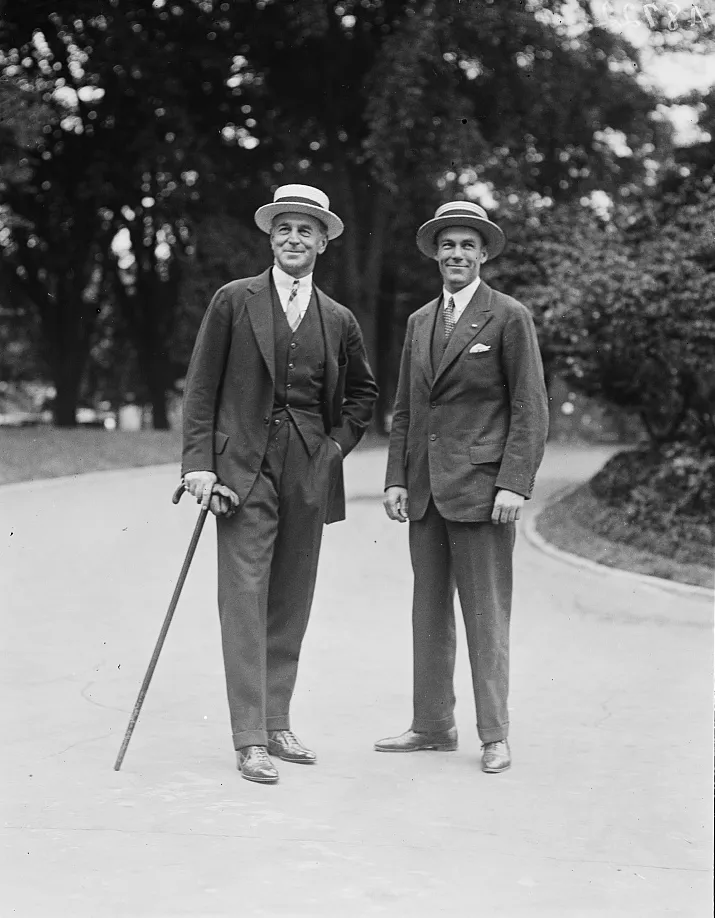
Women had plenty of choices beyond the famous cloche, as you can see from the different styles of hats they wore.
Office and professional workers generally dressed more formally, while factory workers, farmers, mechanics, and laborers needed practical clothes such as overalls, sturdy shirts, boots, and flat caps.
Fashion was relaxing compared with earlier decades, but public dress was still much more polished than the T-shirts, sneakers, and jeans we think of as everyday clothing today.
Casual sportswear was becoming more popular too, including sweaters, knickerbockers, and plus-fours for men.
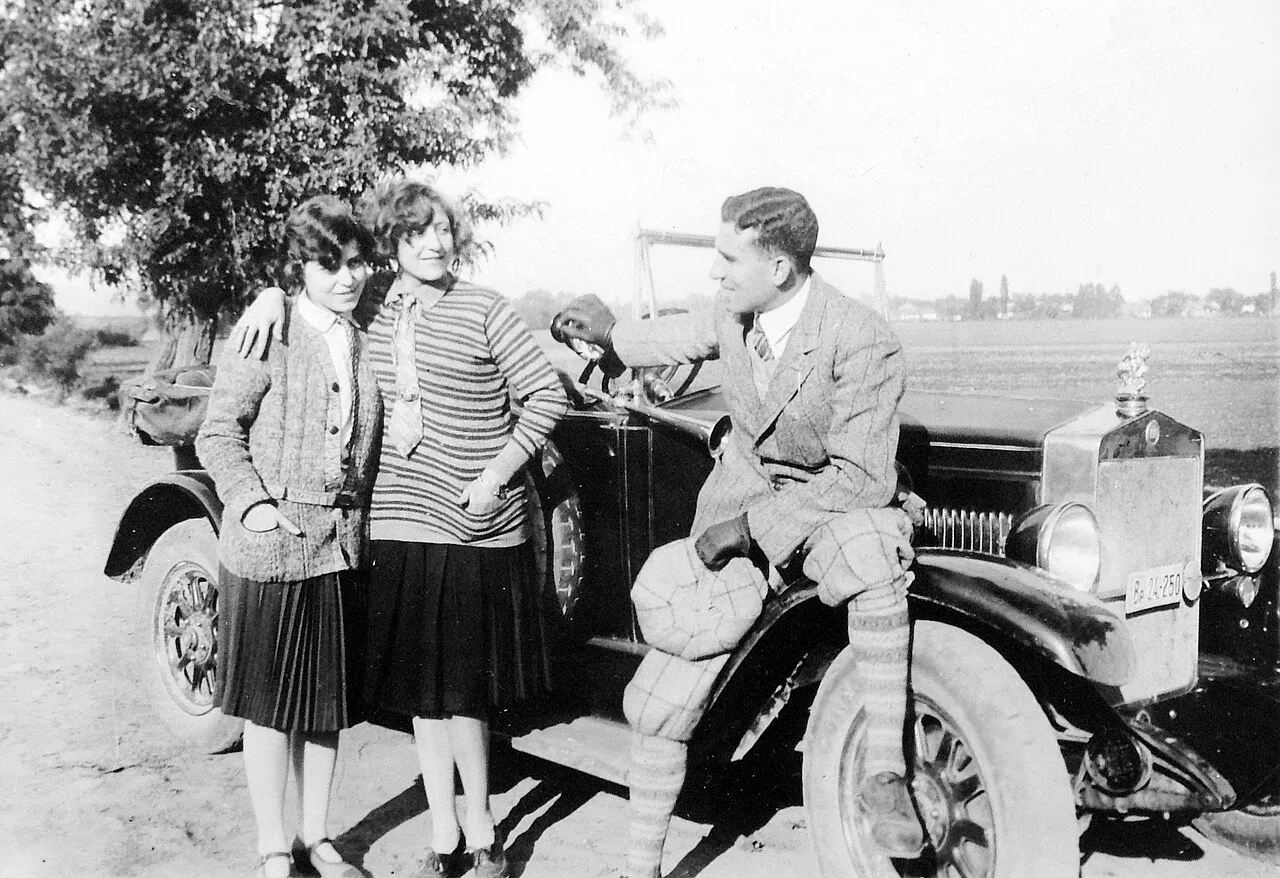
Formal occasions brought out tuxedos, evening gowns, finer shoes, jewelry, gloves, and carefully chosen accessories.
Shopping, Prices, and Consumer Life
Shopping became a bigger part of everyday life in the 1920s. In cities, department stores offered clothing, furniture, cosmetics, appliances, and gifts under one roof, while smaller chain stores handled many everyday purchases.
Rural families could browse thick mail-order catalogs and have goods delivered without traveling to a large city.
Radios, phonographs, electric irons, lamps, vacuum cleaners, washing machines, and automobiles were among the products families wanted as homes became more modern.
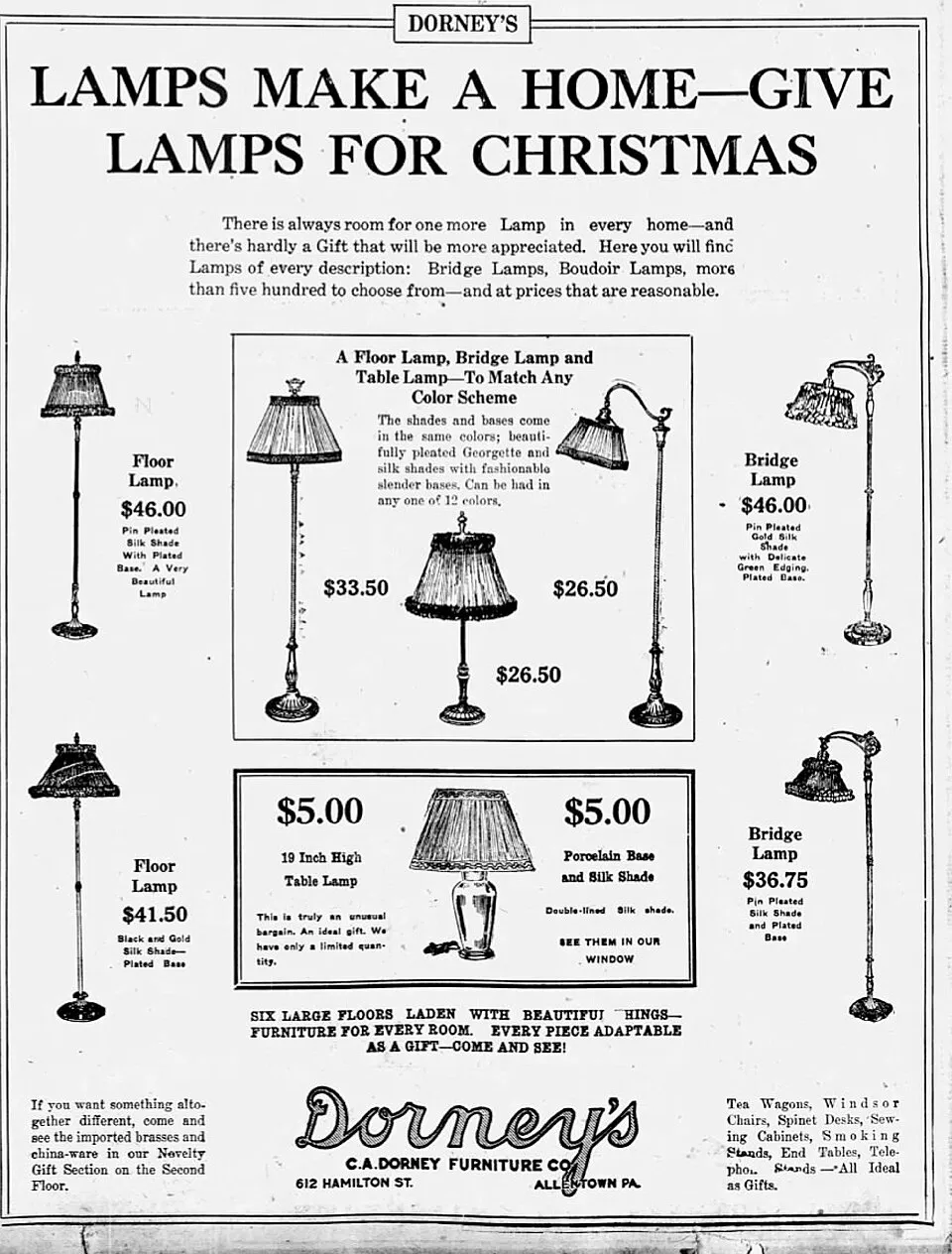
Expensive purchases became easier to manage through installment plans, allowing shoppers to take an item home and pay for it over time.
Prices can look amazingly low until we compare them with the buying power of a 1920s dollar. Here are a few real examples from 1925 (see the sources at the bottom of the page):
Popular item in 1925 | 1925 price | Approx. 2026 equivalent |
|---|---|---|
Table lamp | $5.00 | $95 |
Crosley 50 radio | $14.50 | $276 |
New Victor phonograph | $110 | $2,097 |
Ford Model T Runabout | $260 | $4,957 |
The 2026 values use the Minneapolis Fed CPI data, which currently estimates the 2026 annual CPI. (Note: these figures compare purchasing power, rather than the price of an equivalent modern product).
The radio figure is the advertised price of the receiver itself, while accessories such as tubes and headphones could raise the final cost. The Victor phonograph price was the starting price for the new model introduced in 1925, and Ford listed its basic Model T Runabout at $260.
Keeping in Touch
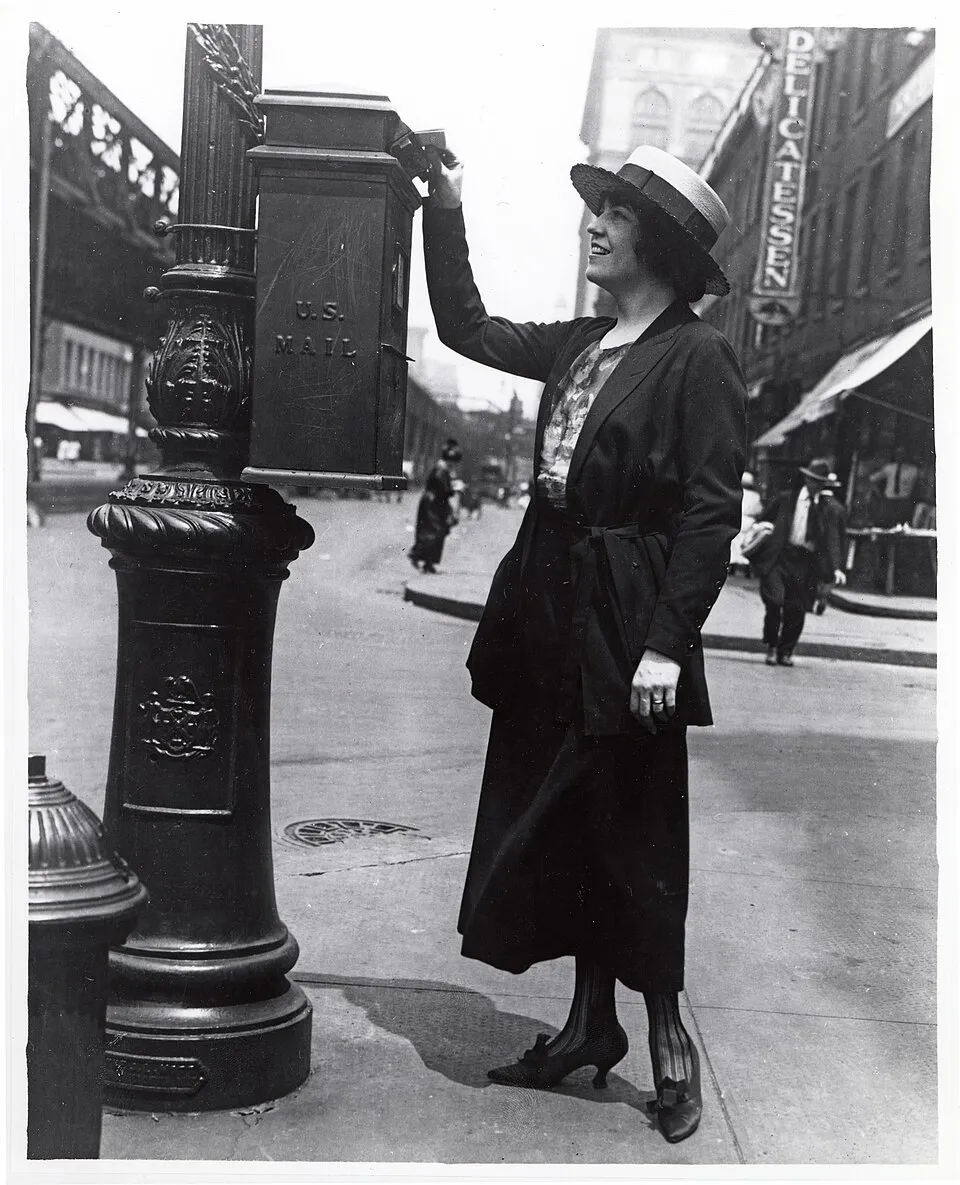
Keeping in touch in the 1920s took more planning than it does today. Letters were still one of the most personal ways to stay connected with relatives and friends, especially when they lived in another town or state.
Postcards were quicker for short messages, travel greetings or letting someone know you had arrived safely. Telegrams were used when speed mattered, but because they were charged by the word messages were usually kept short.
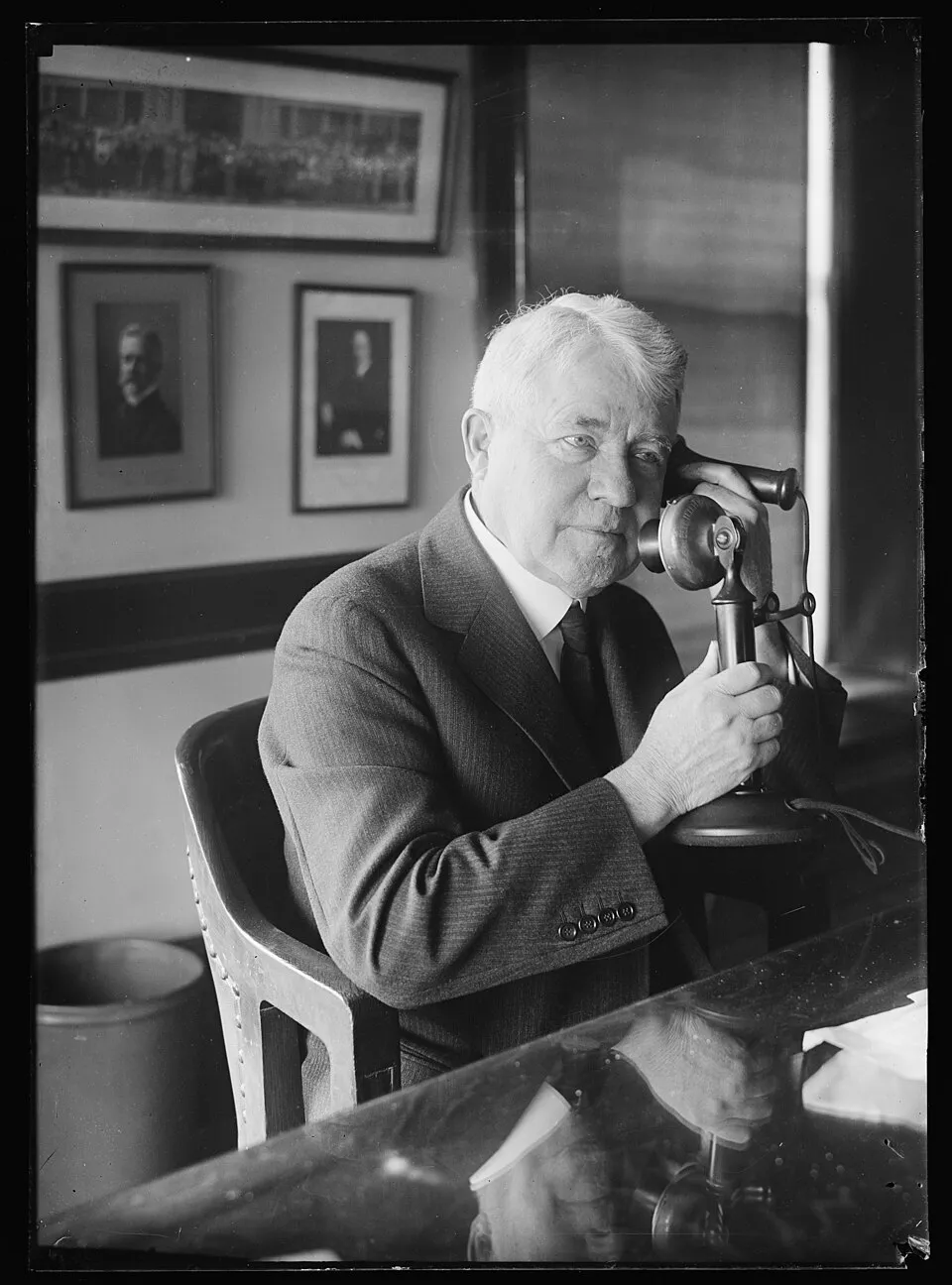
The telephone was becoming much more common too. About 35% of U.S. homes had telephone service in 1920 and the number kept rising through the decade.
A phone call also looked very different from one today. Early 1920s sets often had a separate receiver held to the ear while the user spoke into a fixed mouthpiece (called candlestick telephone) much like the man in the above photo above.
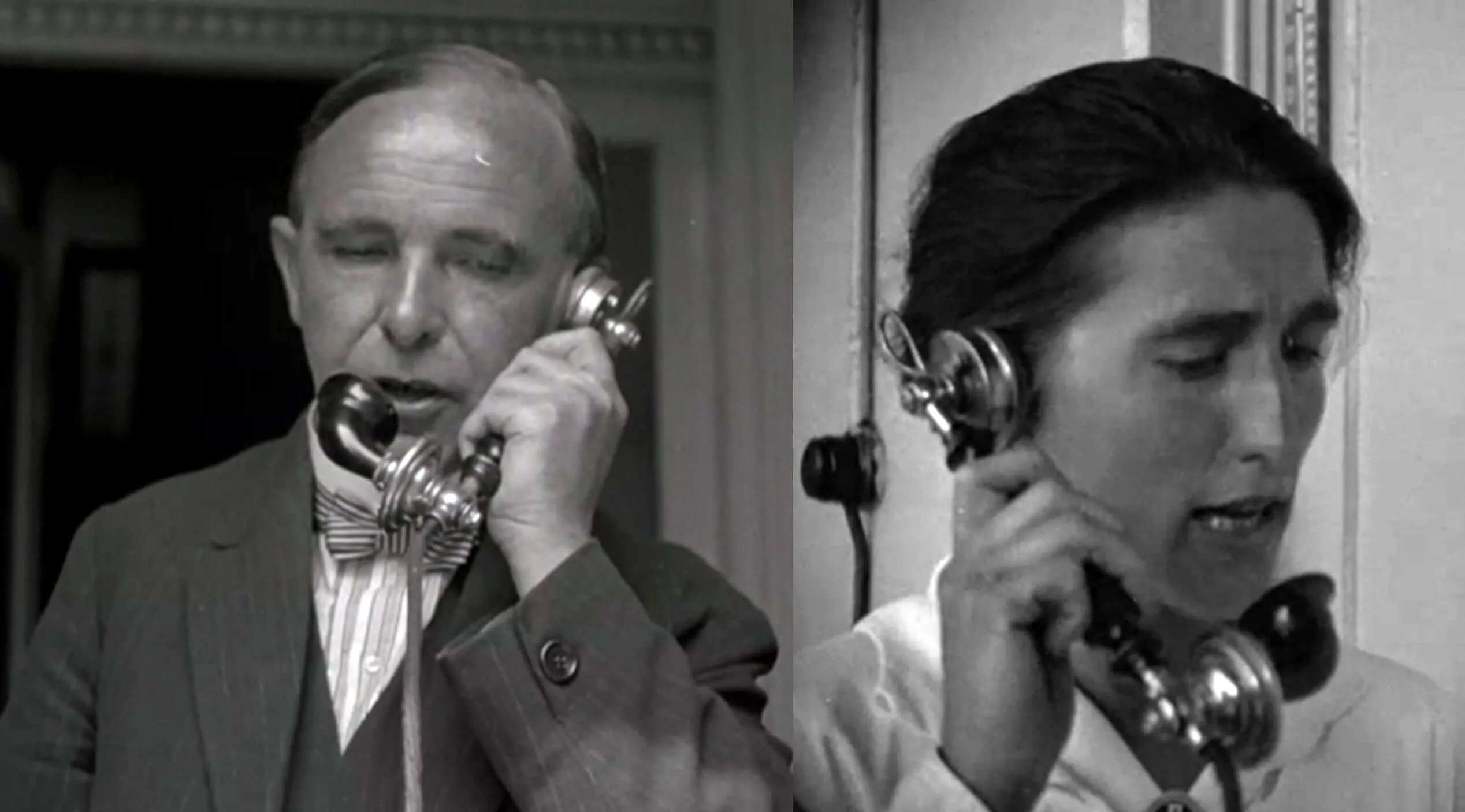
Combined handsets such as these in the above photo became more familiar later in the decade. Arranging a visit usually meant agreeing on a time ahead of time, calling from home or work, sending a note, or making plans the last time you saw someone.
Newspapers also helped people stay connected with what was happening around them. Local papers carried club meetings, church events, theater listings, sports, social news, and announcements alongside the major headlines.
That's all for now. What part of everyday 1920s life would you most like to experience for a day, and what would you happily leave in the past?
Comments · 0
Sort
Be kind — comments are public and follow the community guidelines.