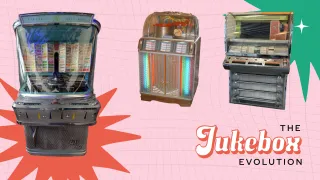
There was a time when picking a song in public felt like a small event. You walked over to a jukebox, looked through the titles, dropped in a coin, pressed a few buttons, and waited for your choice to start playing. A few seconds later, everyone in the diner, bar, or dance hall was hearing the song you picked.
In this article
By the 1940s and 1950s, jukeboxes had become part of everyday American life. Some were bright and flashy, with glowing lights, chrome, and curved glass. But jukeboxes had been around long before the classic machines we now associate with the 1950s.
In this article, we’ll look at where jukeboxes came from, how they got their name, why they became so popular, the famous machines people still recognize today, and what eventually caused their golden age to fade.
Before the jukebox had a name
The jukebox story starts before there were glowing lights, rows of song titles, or buttons marked with letters and numbers.
In the late 1880s, recorded sound itself was still something many people had never experienced. Phonographs existed, but they were expensive and were often marketed for office use as well as entertainment.
The first big step came from Louis Glass and William S. Arnold, who created the coin-operated phonograph used at the Palais Royale Saloon in 1889.
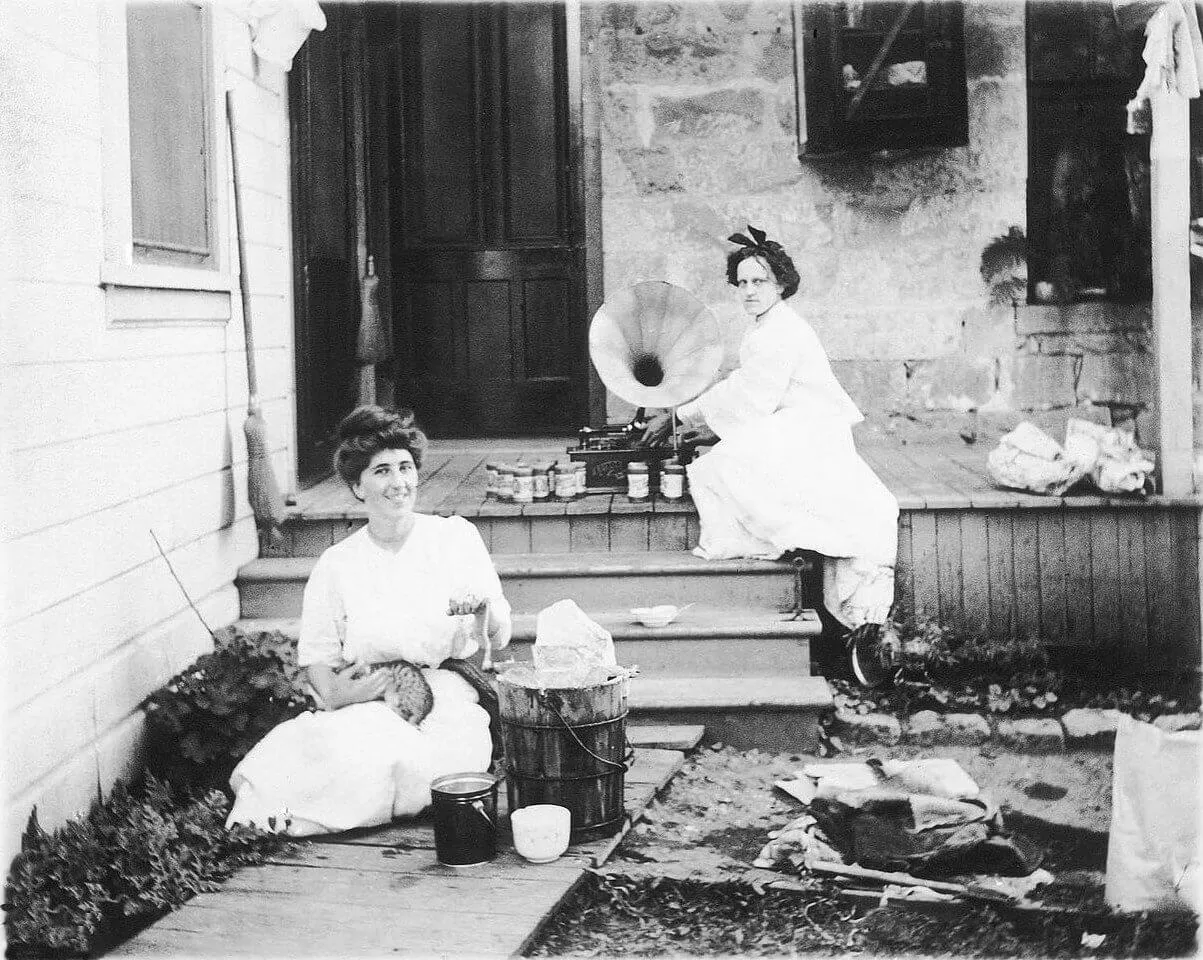
For a nickel, a customer could listen to a recording from an Edison phonograph through one of four stethoscope-like listening tubes.
There was no speaker filling the room with music, and the machine could play only one wax cylinder at a time. It was primitive compared with what came later, but the basic idea was already there: put in a coin and get music.
These machines caught on quickly. Coin-operated phonographs began appearing in saloons, hotels, railway stations, shopping areas, and phonograph parlors where customers could pay to hear different recordings. The Smithsonian has more on how quickly this new way of listening to music began to spread.
For decades, though, nobody called these machines jukeboxes. Names such as coin-operated phonograph and automatic phonograph were much more common.
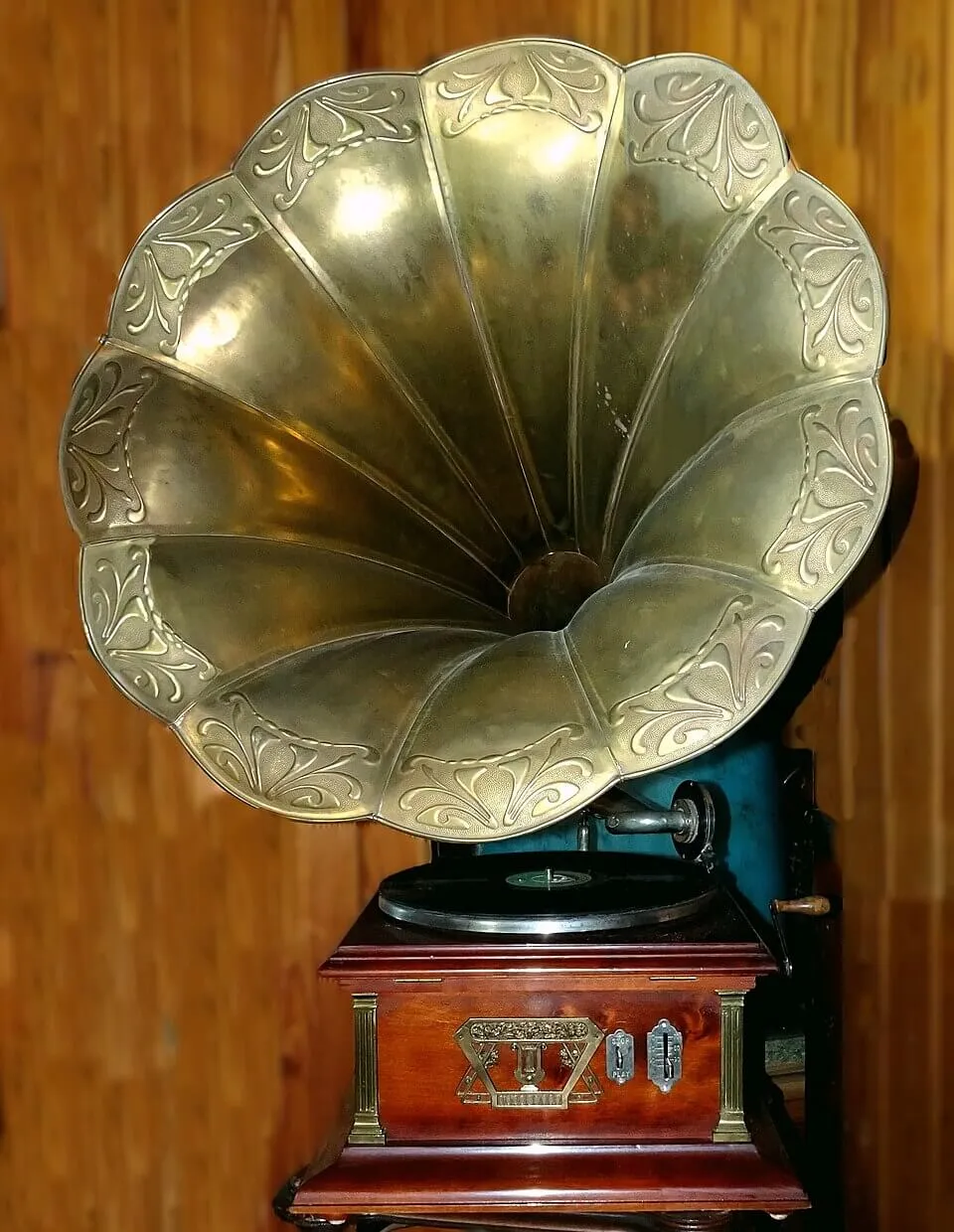
A bigger step came in 1906, when John Gabel introduced the Automatic Entertainer. It could hold and play 24 different records, giving customers a real choice of songs instead of just one recording. That made it much closer to the jukeboxes that would appear in the decades ahead.
The catchier name arrived much later. The word “jukebox” appeared by 1939 and was connected to juke joints, small bars and dance spots in the American South where people gathered to drink, dance, and listen to music.
By then, the machines themselves were on their way to becoming the bright, attention-grabbing jukeboxes we recognize today.
The 1930s and ’40s: Jukeboxes come into their own
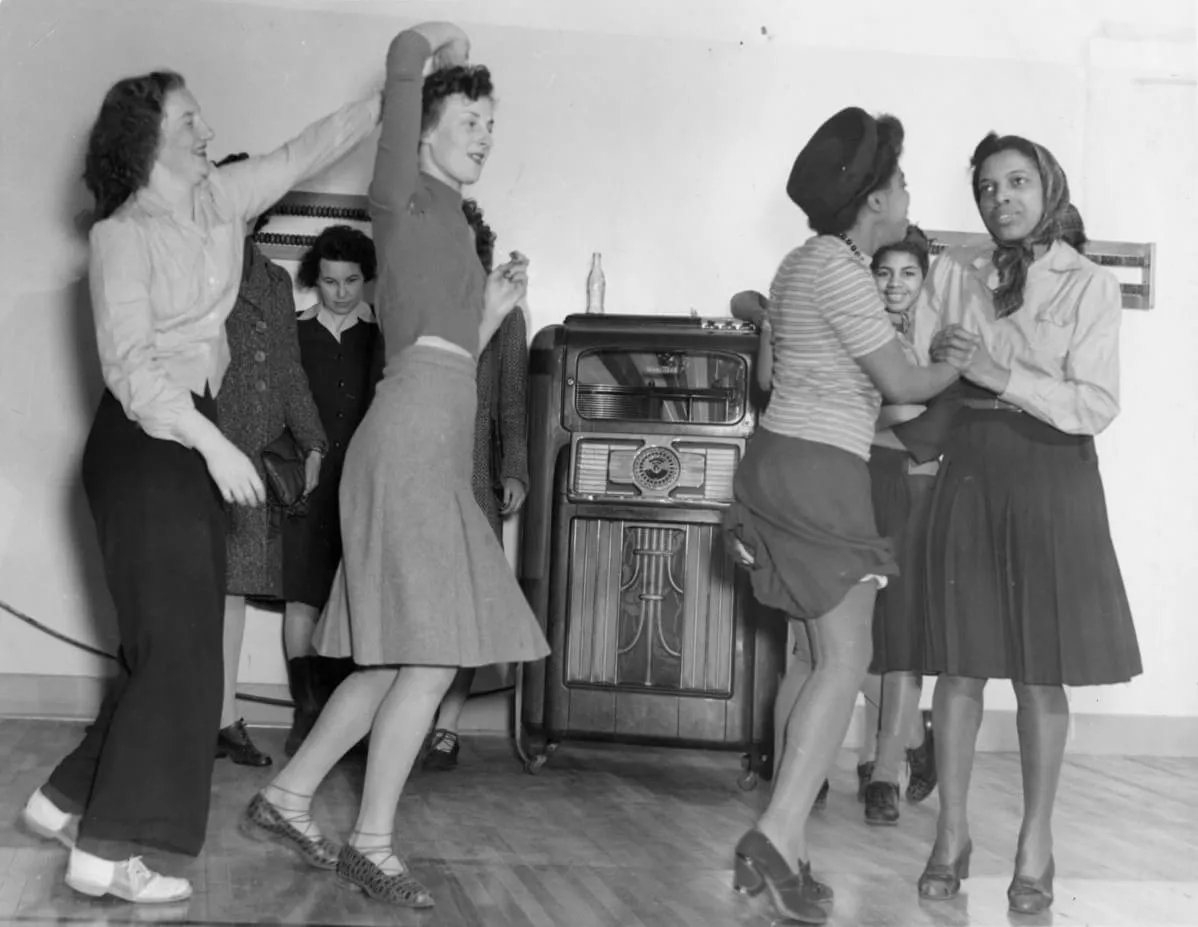
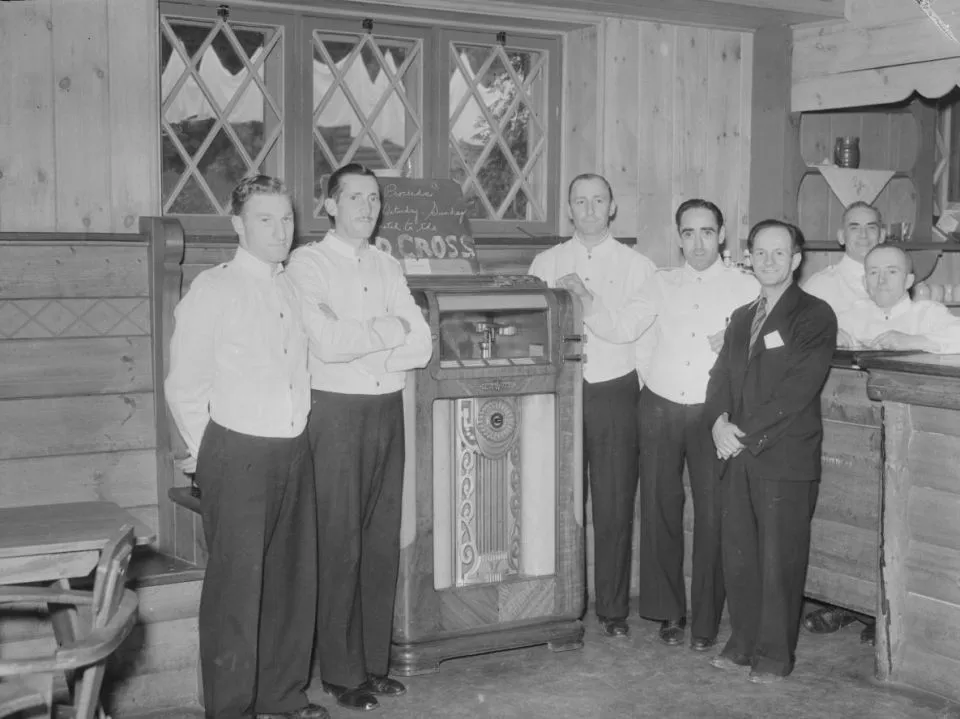
By the 1930s, coin-operated music machines were becoming a familiar sight in bars, cafés, restaurants, and dance halls. For a few cents, people could choose a song without buying the record themselves or waiting for a band to play it.
The machines were also becoming much more fun to look at. Companies like Wurlitzer, Seeburg, and Rock-Ola turned the jukebox into half music player, half decoration.
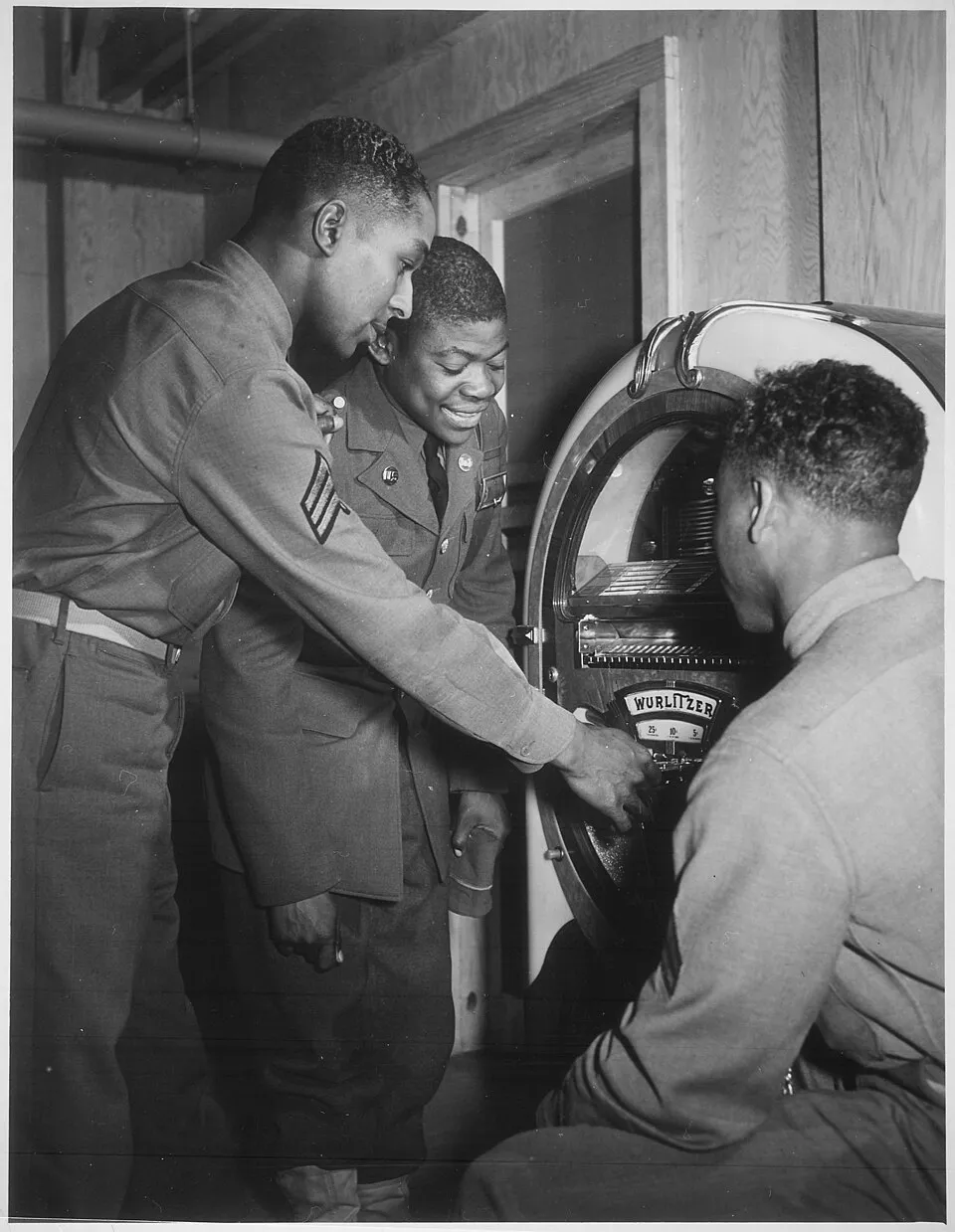
Cabinets grew taller and flashier, with curved shapes, chrome, colored plastics, and glowing panels designed to catch your eye from across the room. The Smithsonian’s jukebox collection includes machines from this period and shows just how quickly their appearance changed.
Jukeboxes stayed popular during the 1940s, even though World War II interrupted the production of many new machines. After the war, manufacturers came back with some of their most memorable designs.
One of the biggest stars was the Wurlitzer 1015, introduced in 1946, with its glowing arches and bubbling light tubes. It became so closely tied to the classic jukebox look that similar designs are still copied today.
By the end of the decade, the jukebox was no longer simply a convenient way to hear a record. It had become part of the atmosphere of going out for a drink, meeting friends, dancing, or grabbing something to eat.
The Golden Age of the Jukebox
If the 1930s and ’40s made the jukebox popular, the late 1940s and 1950s turned it into a full-blown icon. This was the era most people picture right away: a big machine glowing in the corner, trimmed with chrome, lit from within, and impossible to ignore.
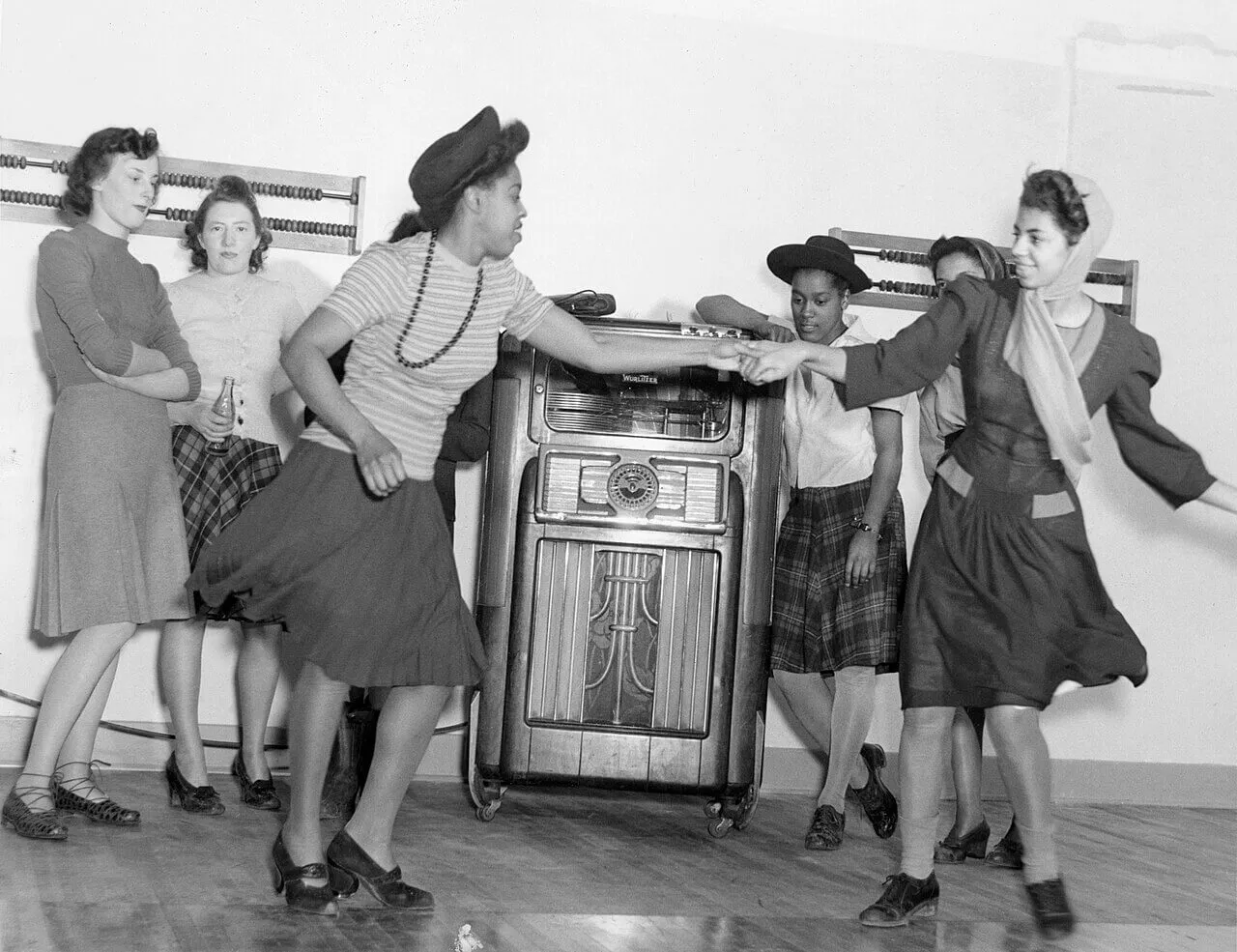
Jukebox makers understood that the machine had to do more than play music. It had to attract people from across the room. That is why so many postwar models were packed with curved glass, colored plastics, shiny metal details, bright arches, and moving light effects.
The records were changing too. For years, many jukeboxes played 78 rpm records, but the rise of the 45 rpm single at the end of the 1940s helped push the format into its classic form. The smaller records were easier to handle and let jukeboxes offer more song choices in less space.
Rock ’n’ Roll, teenagers, and the diner jukebox
By the 1950s, the jukebox had found its perfect audience: teenagers with a few coins in their pockets and strong opinions about music.
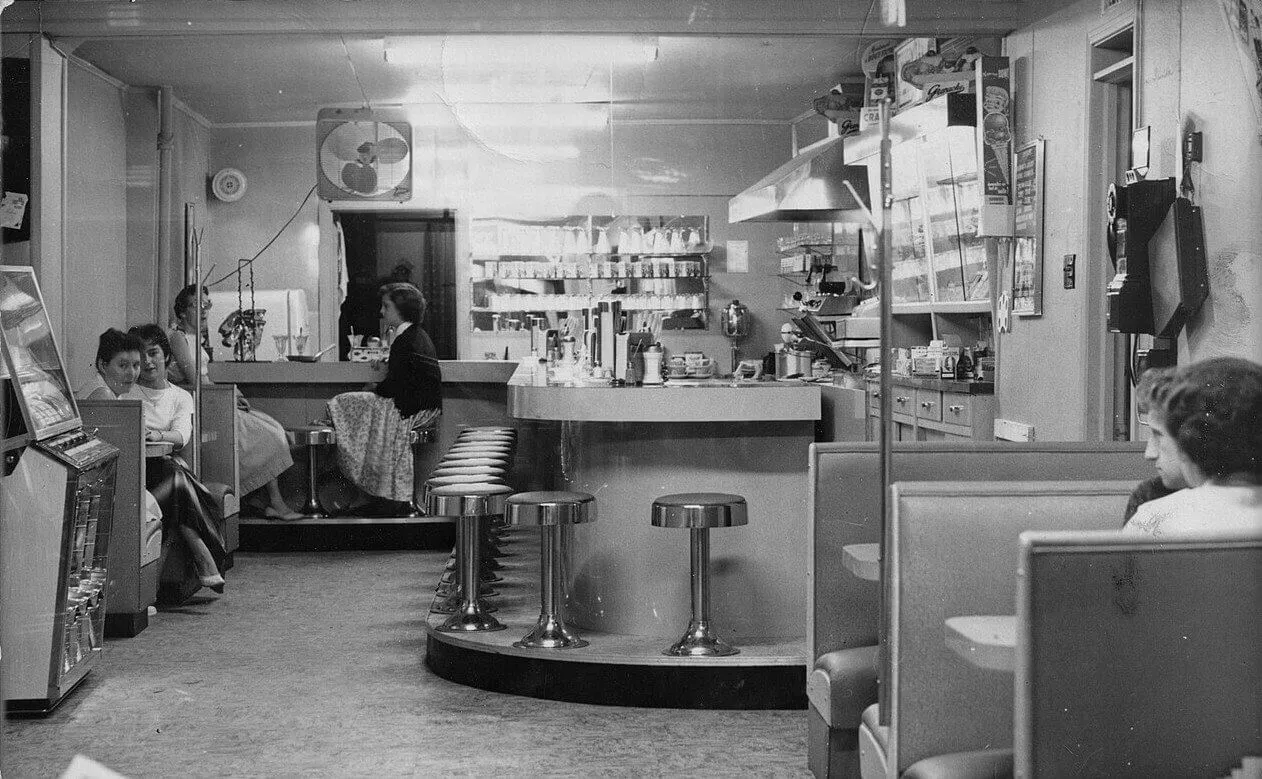
In diners, soda shops, cafés, and teen hangouts, choosing a song becme part of going out with friends. Someone walked over to the machine, made a pick, and suddenly the whole room was listening to it.
Customers did not always have to walk over to the main jukebox, either. Many diners had small remote jukebox selectors, often called wallboxes, mounted beside booths or counters.
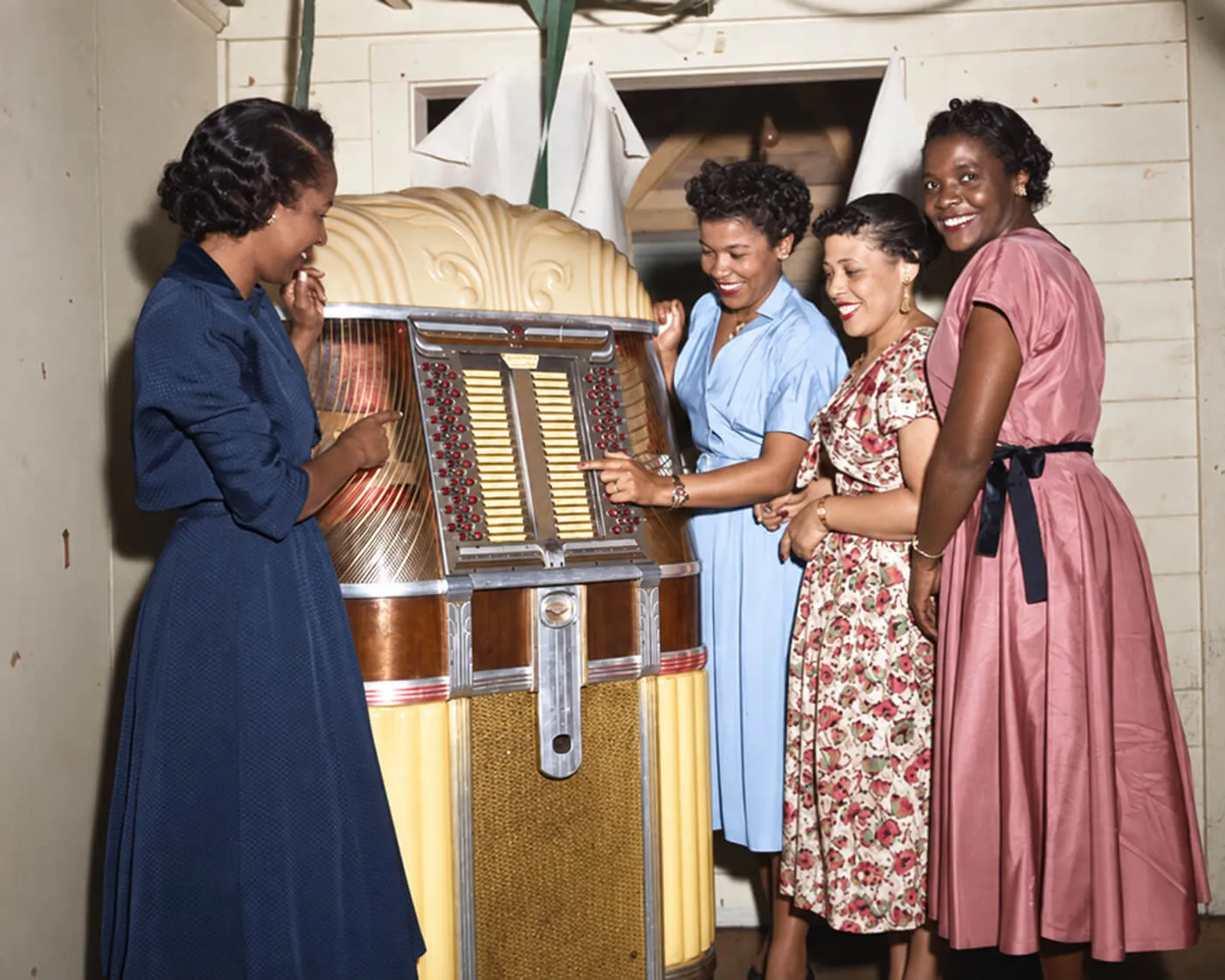
You could insert a coin, look through the song titles, and press the buttons for the record you wanted. The selector then sent the choice electrically to the main jukebox, which selected and played the record.
How jukeboxes helped make songs into hits
Behind many jukeboxes was a route operator who visited bars, diners, and other locations to collect the money, make repairs, and swap records. By the 1940s, many machines also had popularity meters that counted how often each selection was played.
If one record was getting picked constantly, the operator knew to keep it and sometimes place copies in other machines. A local favorite could slowly spread from one neighborhood or town to another that way.
Those plays became valuable information for the record business too. In 1955, Billboard introduced its Top 100 chart, combining record sales, radio airplay, and jukebox plays into one ranking. That meant every nickel dropped into a jukebox could contribute, in a small way, to the industry’s picture of which songs were becoming hits.
The jukeboxes people still recognize today
A few jukeboxes became so familiar that they still shape what people imagine when they hear the word jukebox. The Wurlitzer 1015 had the glowing arch and bubble tubes, while Seeburg moved toward wider cabinets, lots of chrome and glass, and far more song choices.
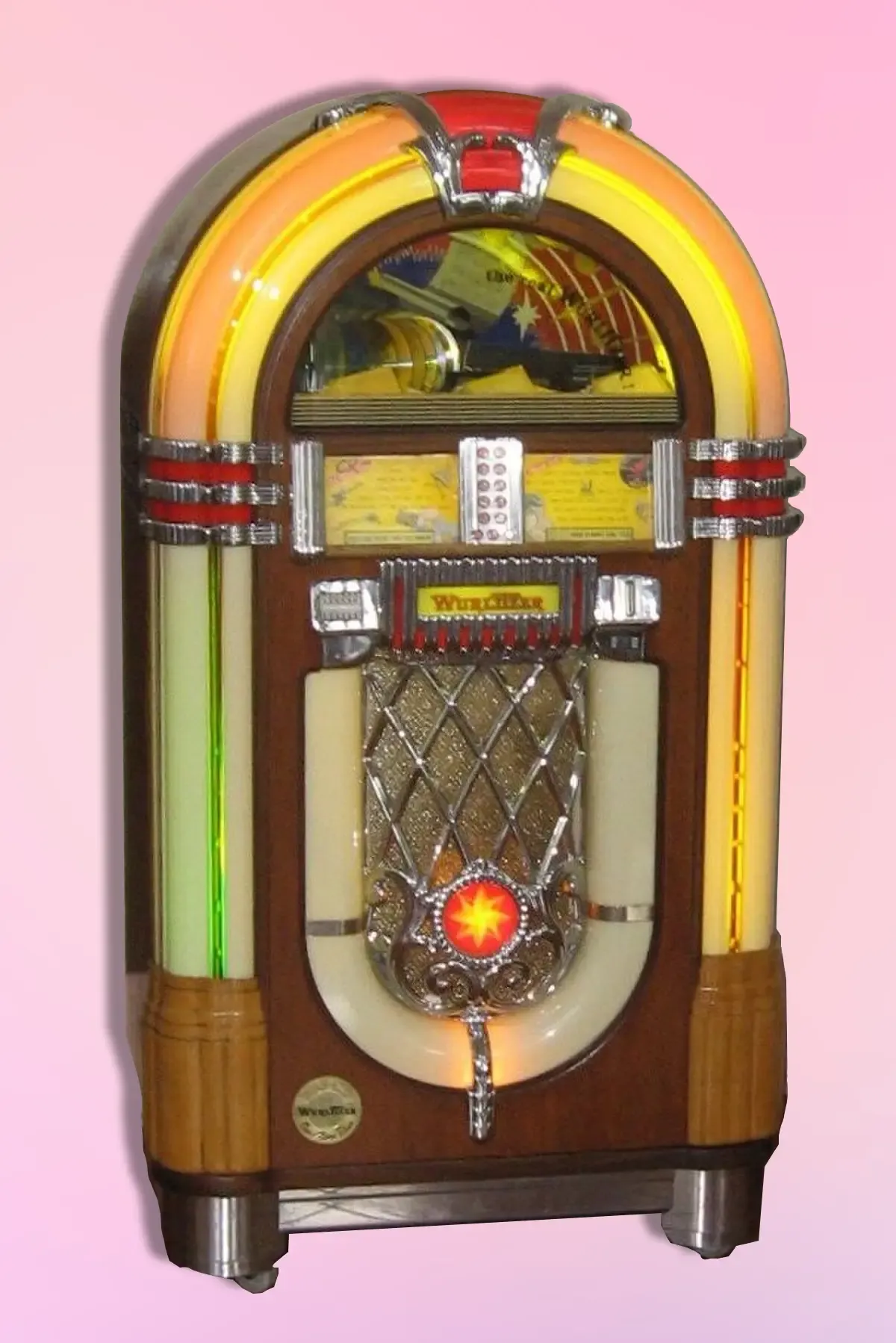
Rock-Ola kept plenty of color and light in models such as the 1948 Magic Glo. The differences were not just cosmetic though. By the early 1950s, some machines were offering 100 selections instead of the 24 found on many postwar Wurlitzers.
Production figures are one of the best ways to compare which classic jukebox models were most successful. The numbers below are estimates based on surviving serial records, so they show production volume, not exactly which models were most common in diners. (See the references for the data used)
5 Most-Produced Jukebox Models of the Classic Era
Rank | Model | Year(s) | Selections | Record Type | Estimated Production |
|---|---|---|---|---|---|
1 | Wurlitzer 1015 “Bubbler” | 1946–1947 | 24 | 78 rpm | 60,400 |
2 | Wurlitzer 616 / 616A | 1937 | 16 | 78 rpm | 39,100 combined |
3 | Seeburg M100C | 1952 | 100 | 45 rpm | 38,200 |
4 | Wurlitzer 412 | 1936 | 12 | 78 rpm | 31,500 |
5 | Seeburg M100A | 1949 | 100 | 78 rpm | 28,800 |
Rock-Ola does not make this production-based top five, but its 1428 Magic Glo from 1948 is still one of the more recognizable jukeboxes of the period, with bright illuminated panels and the rounded styling people now associate with late-1940s machines.
Why the jukebox faded but never really disappeared
The jukebox did not suddenly vanish after the 1950s, it had much more competition. Portable radios let people carry music with them, home stereos became better and more affordable, and cassette players later gave listeners control over their own playlists.
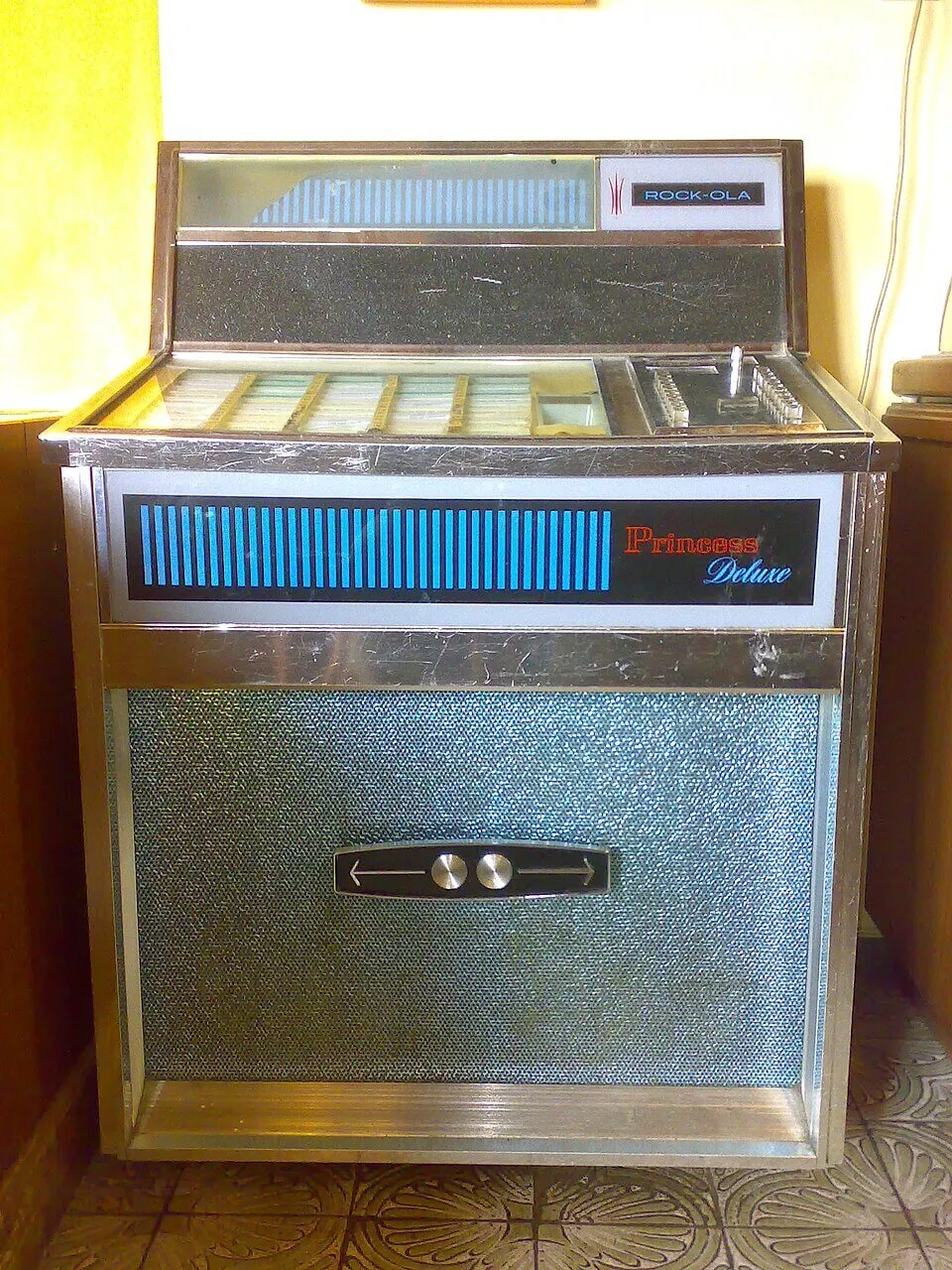
The decline became much sharper during the 1970s, and Wurlitzer stopped making jukeboxes in 1974. By the late 1970s and early 1980s, the classic coin-operated jukebox was at one of its lowest points commercially. The commercial decline was dramatic compared with the huge numbers produced during the 1950s.
But the basic idea never died: let people in a public place choose the music. Modern digital jukeboxes simply replaced stacks of records with huge digital libraries and phone apps.
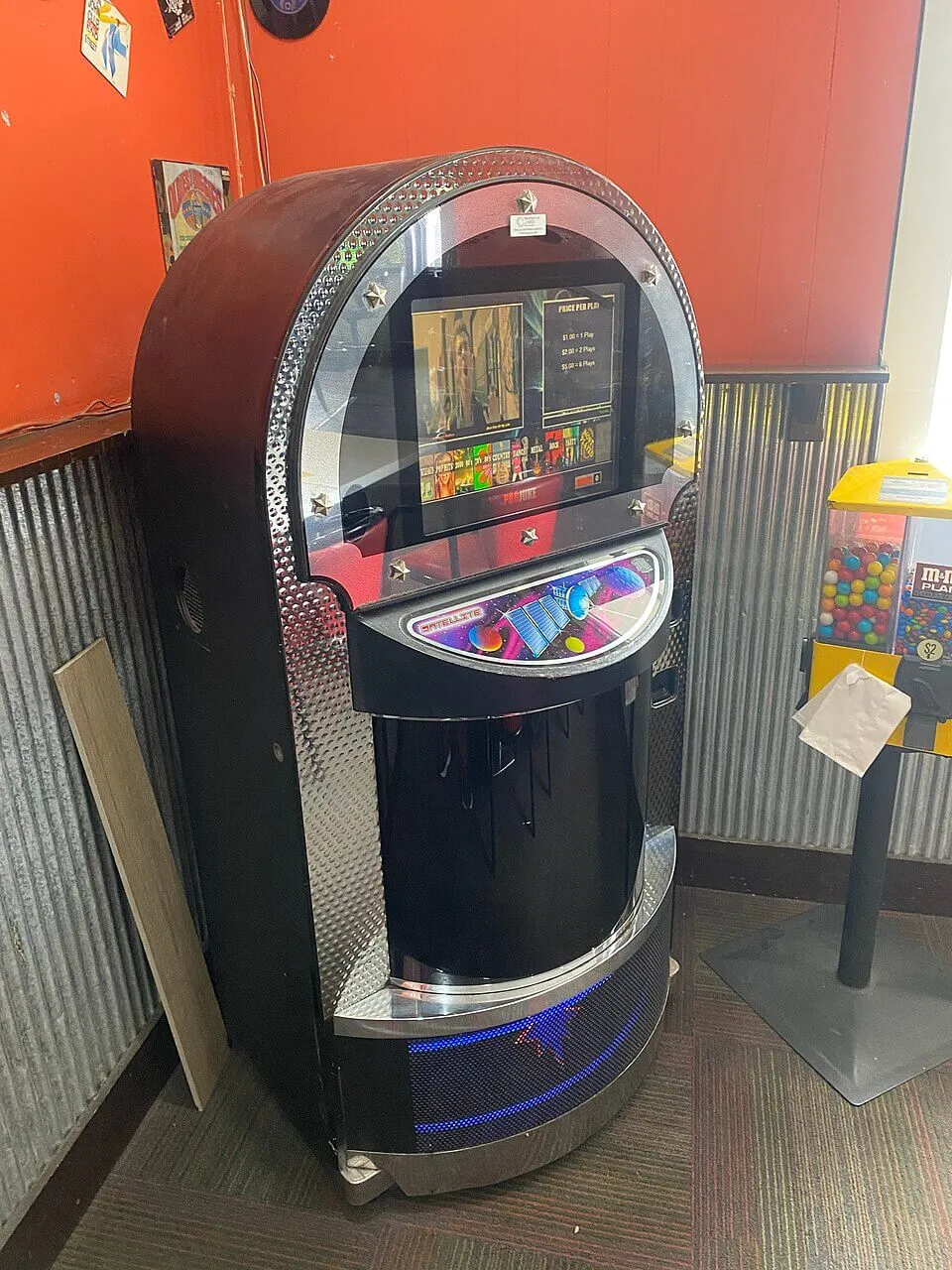
TouchTunes, for example, now has jukeboxes in more than 65,000 venues across North America and Europe. At the other end of the nostalgia scale, Rock-Ola still builds brand-new machines that play real 45 rpm records, complete with colorful lights and visible moving records.
Do people still use jukeboxes today?
Yes. Jukeboxes are still used today, from touchscreen machines in bars to $10,000-plus vinyl models for people who want the full old-school experience.
Did you ever have a favorite jukebox song, or remember a place where everyone seemed to gather around one? Tell us about it in the comments.
Comments · 0
Sort
Be kind — comments are public and follow the community guidelines.