In 1923, you could find ancient Egypt almost everywhere. On women's dresses, perfume bottles, jewelry, and even advertisements for radio equipment. There were songs about pharaohs, Egyptian-style movie theaters, and shops selling anything they could connect to King Tut.
In this article
And it all started with a staircase buried in the Egyptian desert. When archaeologists discovered the tomb of a young pharaoh in November 1922, they had no idea how far the excitement would spread. Within months, King Tutankhamun had become a worldwide celebrity, more than 3,000 years after his death.
The craze became known as Egyptomania or Tut-mania. Here is how one discovery changed 1920s fashion, music, movies, advertising and everyday life.
The November 1922 Discovery That Started It All
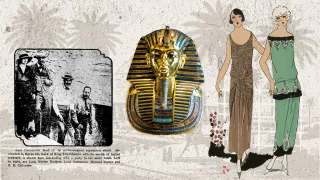
On November 4, 1922, British archaeologist Howard Carter and his Egyptian workers uncovered a stone step beneath the sand in the Valley of the Kings.
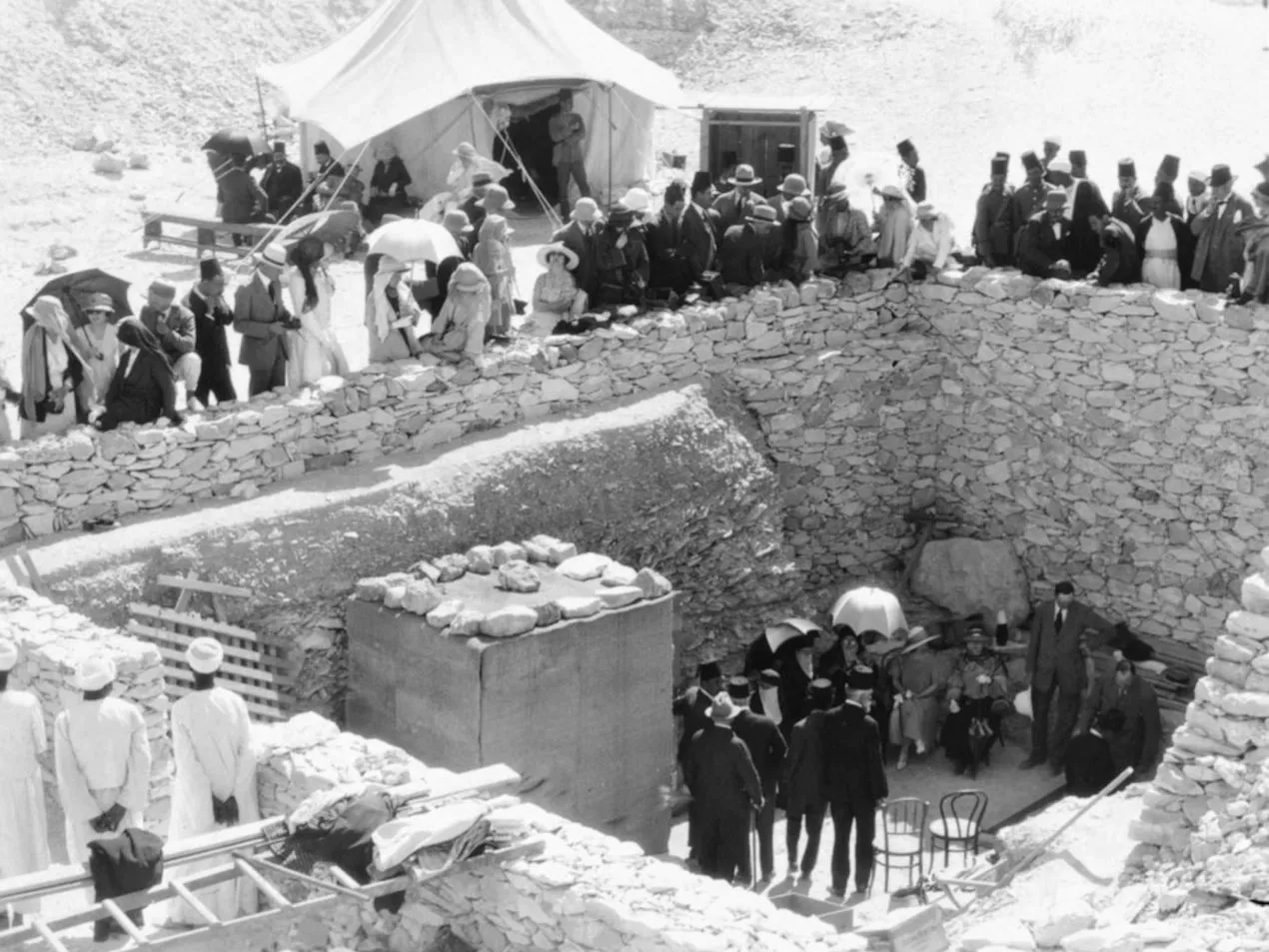
Carter had spent years searching for the lost tomb of Tutankhamun, a young Egyptian king who had died at around 19 years old. Many other royal tombs in the area had already been found and robbed of their treasures.
This staircase looked promising.
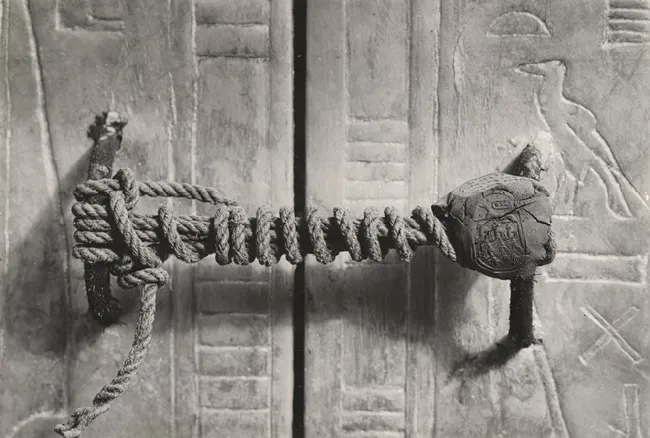
As the workers cleared more sand and stones, they found a sealed doorway. Carter soon contacted Lord Carnarvon, the wealthy British man who had paid for the search.
On November 26, Carter made a small opening in a second sealed doorway and looked inside by candlelight.
He saw golden furniture, statues, chariots, and beautiful objects packed into a room. When asked what he could see, his famous answer was "wonderful things."
And there was much more waiting behind another sealed door. On February 16, 1923 Carter's team opened the burial chamber. Inside were large golden shrines surrounding the king's coffin.
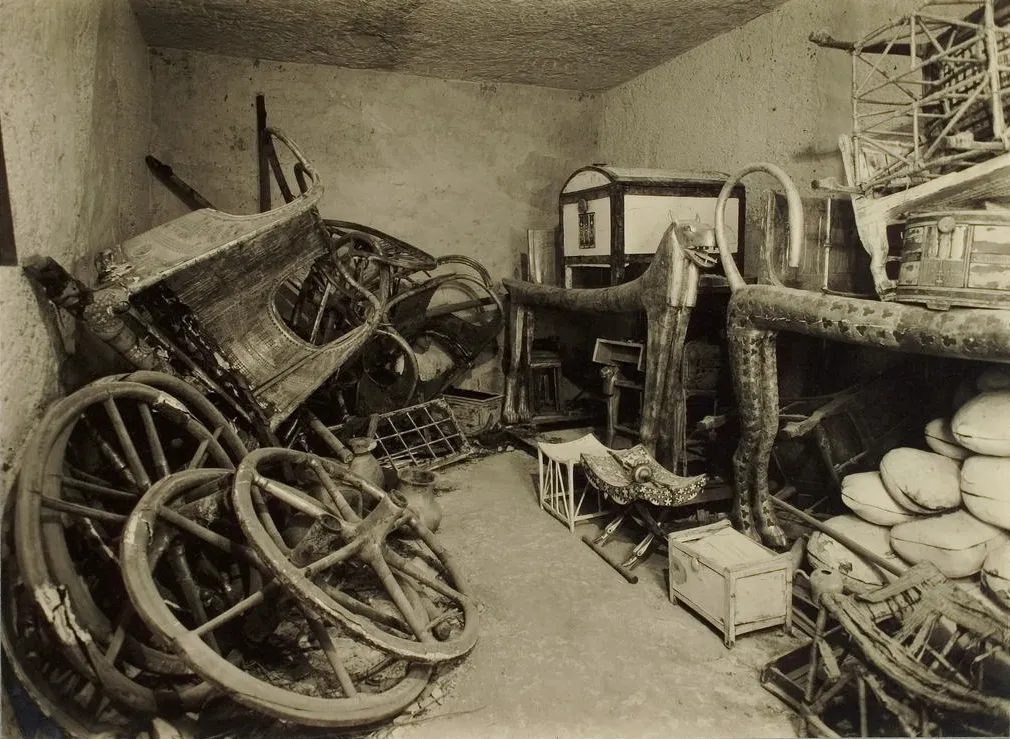
The tomb contained more than 5000 objects. Some were made of gold while others were everyday belongings such as clothing, furniture, and games. There were even food supplies meant for the king's journey into the next world.
The original excavation records describe how the team carefully opened and explored the rooms. Photographing, moving, and studying the treasures would take nearly ten years.
How King Tut Became the Biggest News Story of 1923
News of the discovery quickly reached Europe and America. Newspapers printed exciting stories about the mysterious tomb and its golden treasures.
Photographs taken by Harry Burton allowed readers to see objects that had been hidden for thousands of years.
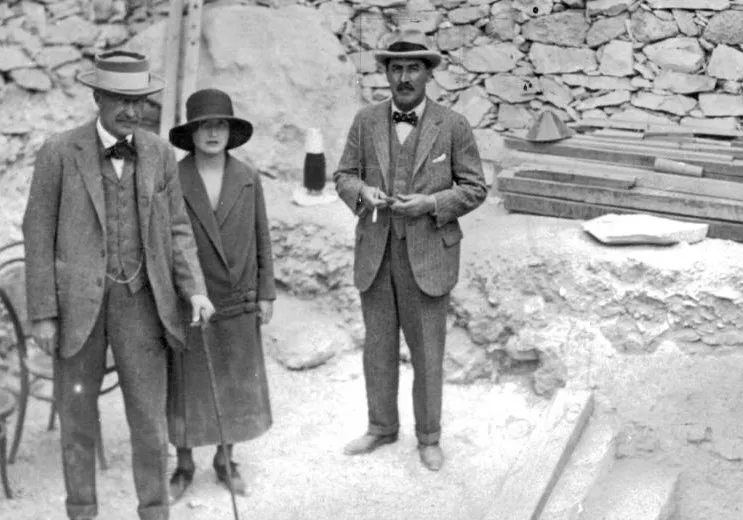
Lord Carnarvon had also made an exclusive agreement with the British newspaper The Times for coverage of the excavation.
Other newspapers were eager for information and the public wanted every new detail.
The young king's name soon appeared in headlines, shop windows, and advertisements. Tourists traveled to Egypt hoping to see the famous site.
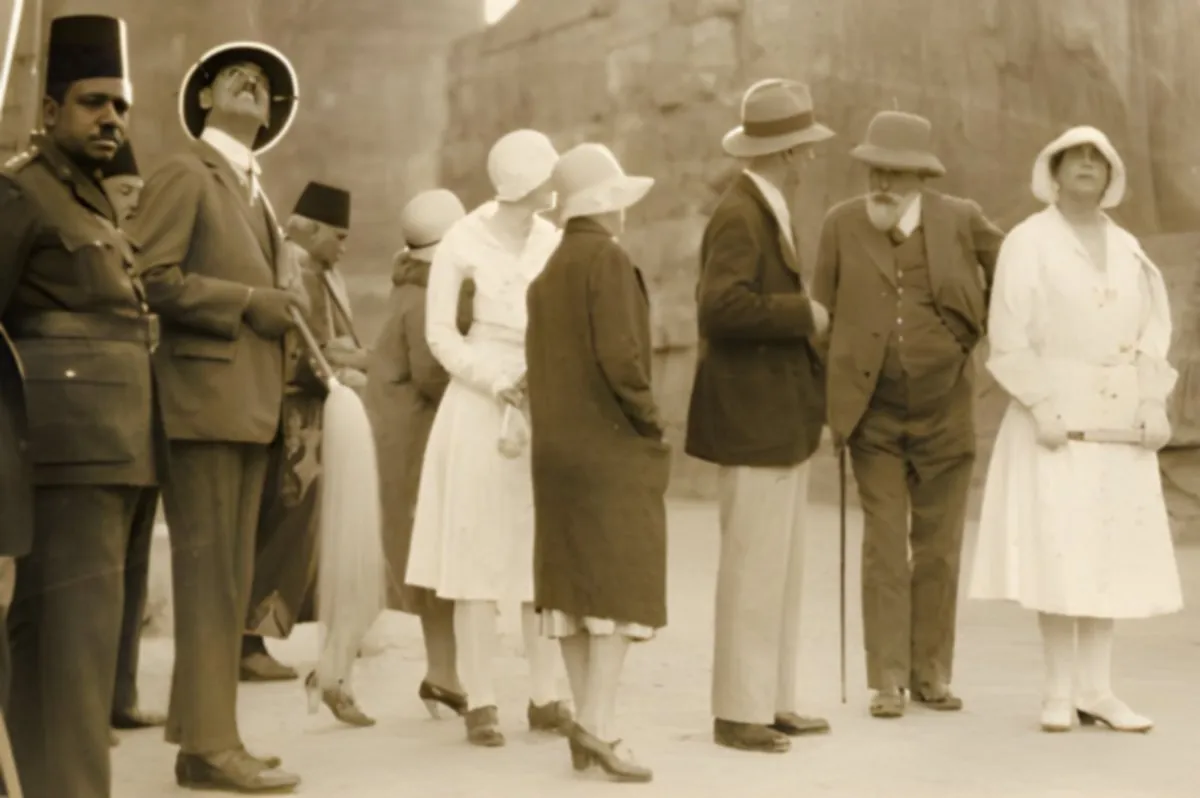
Shops in Luxor sold Egyptian-themed souvenirs and photographs. Some sellers offered objects that were supposed to look like ancient treasures.
Then something happened that made the story even more mysterious. On April 5, 1923 Lord Carnarvon died in Cairo after becoming ill following an infected mosquito bite.
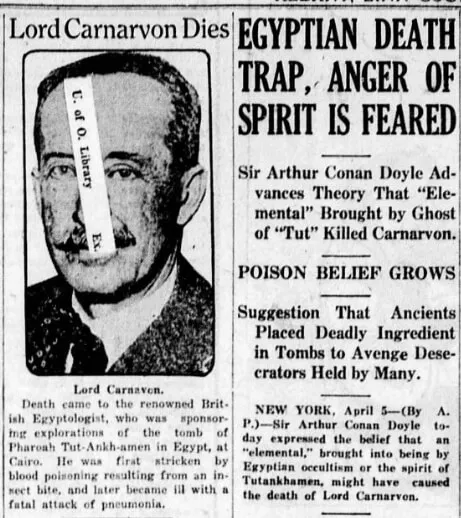
His death led to rumors about a terrible curse placed on anyone who disturbed a pharaoh's tomb.
Newspapers loved the story. The idea of an ancient Egyptian curse was much more exciting than an ordinary medical explanation.
The rumors had no solid evidence behind them but they gave the public another reason to talk about King Tut. Meanwhile, each new discovery inside the tomb brought more photographs and fresh newspaper coverage.
Egyptomania in 1920s Fashion: From Dresses to Jewelry
Fashion was one of the first industries to embrace the King Tut craze. Ancient Egyptian styles had influenced European fashion before 1922.
But the tomb discovery gave designers new ideas and brought Egyptian patterns back into the spotlight.
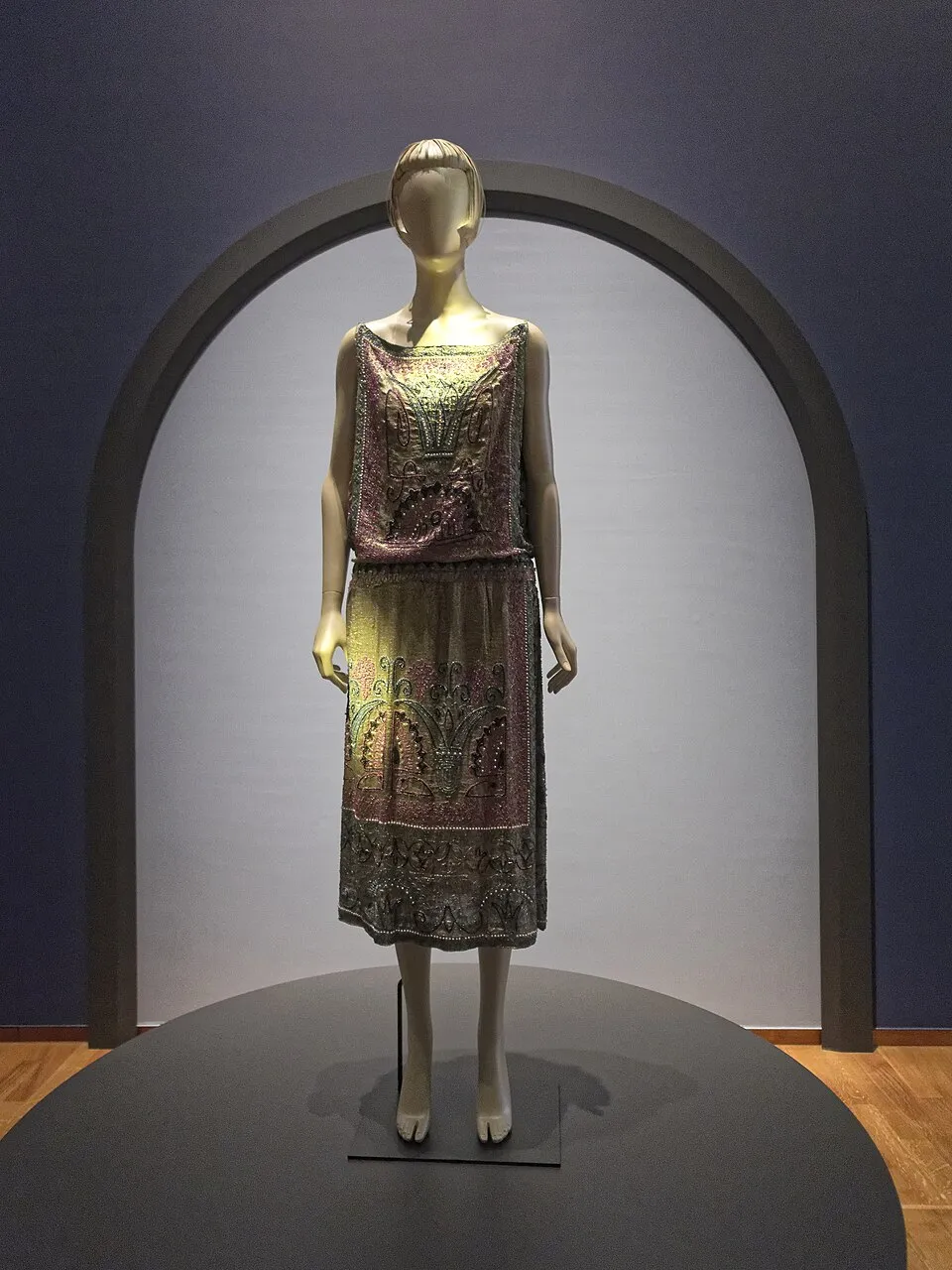
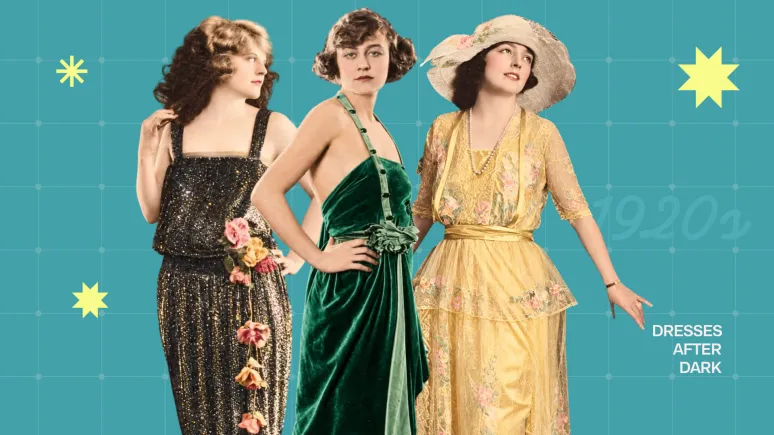
By early 1923, fashionable women could buy dresses, coats, hats, and accessories covered in Egyptian-inspired decorations.
In February that year a New York Times article said business people around the world were begging for Egyptian designs for gloves, sandals and fabrics.
Flappers loved the look. They wore headbands with a cobra at the front and snake bracelets that curled up the arm. Dark kohl eyeliner became a must, and the short bob haircut was linked to the hair of Egyptian statues.
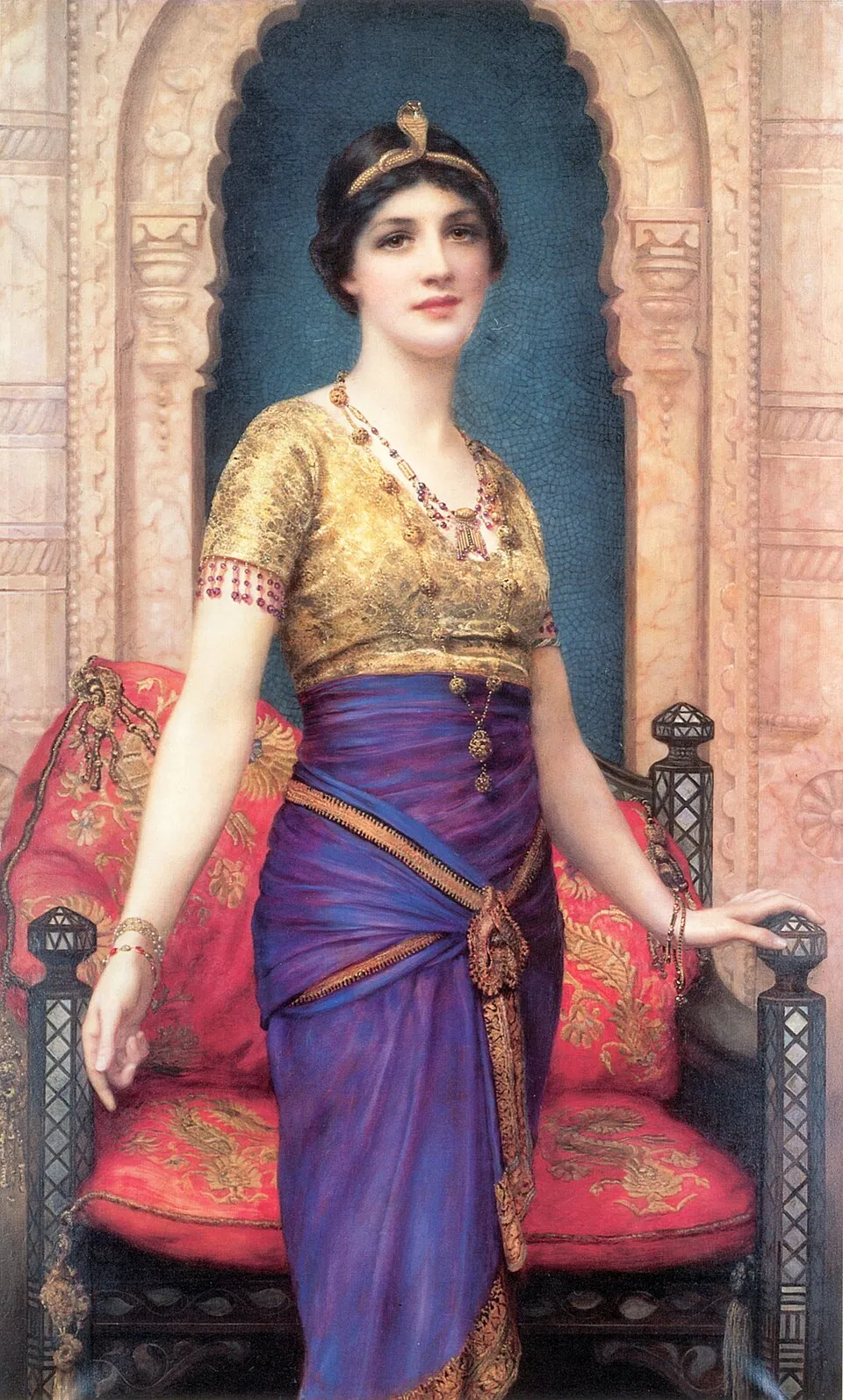
Some quick sellers had Egyptian-style face powder boxes in the shops by Christmas 1922 only a few weeks after the news broke. Beauty brand Helena Rubinstein even sold a skin product called the Valaze Egyptian Mask.
Some of the most popular designs included lotus flowers, scarab beetles, snakes, birds and patterns that looked like Egyptian hieroglyphs.
The colors were striking too. Gold and blue became a fashionable combination, along with red and gold.
From Jazz Songs to Hollywood and Art Deco Buildings
The King Tut fever soon reached the entertainment world.
In 1923, composer Harry Von Tilzer and lyricist William Jerome published a novelty song called Old King Tut, which was famously recorded by Sophie Tucker, Billy Jones and Ernest Hare, and The Georgians.
The song used a playful version of ancient Egyptian life. It was written for the popular music market at a time when jazz and dancing were taking over American nightlife.
You can still see the original 1923 sheet music, complete with Egyptian-themed artwork on the cover.
Other performers used Egyptian themes in stage shows and magic acts. Magician Carter the Great even advertised a performance promising secrets from King Tut's tomb.
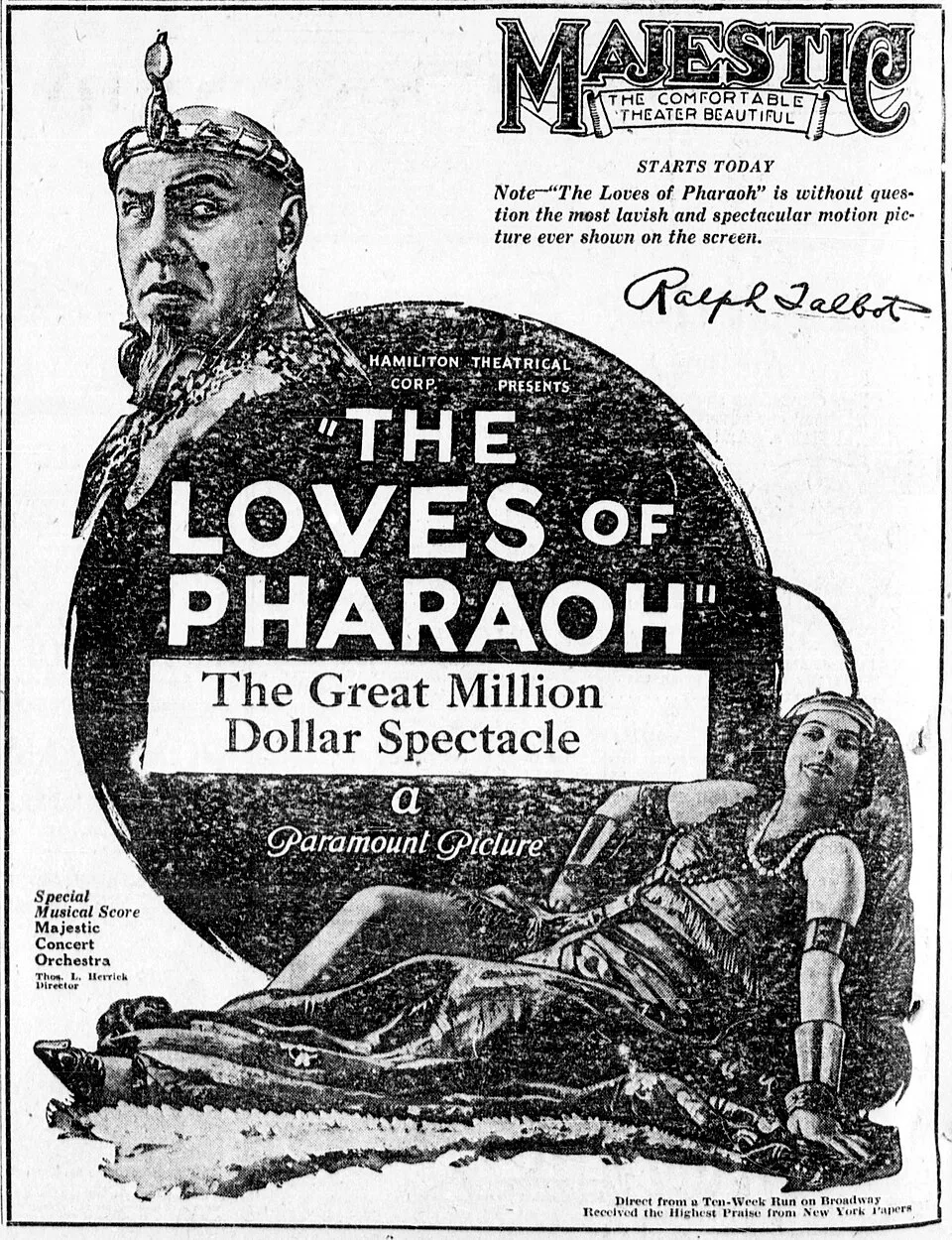
Hollywood had already shown an interest in ancient Egypt before the discovery (as seen in the above image). But the new excitement gave filmmakers another reason to use pharaohs, mummies, and mysterious curses.
During the 1920s, dozens of Egyptian-style cinemas appeared across the United States (Grauman's Egyptian Theatre is a great example as seen above).
Some had large columns, painted Egyptian figures, scarab decorations, and walls designed to look like ancient temples.
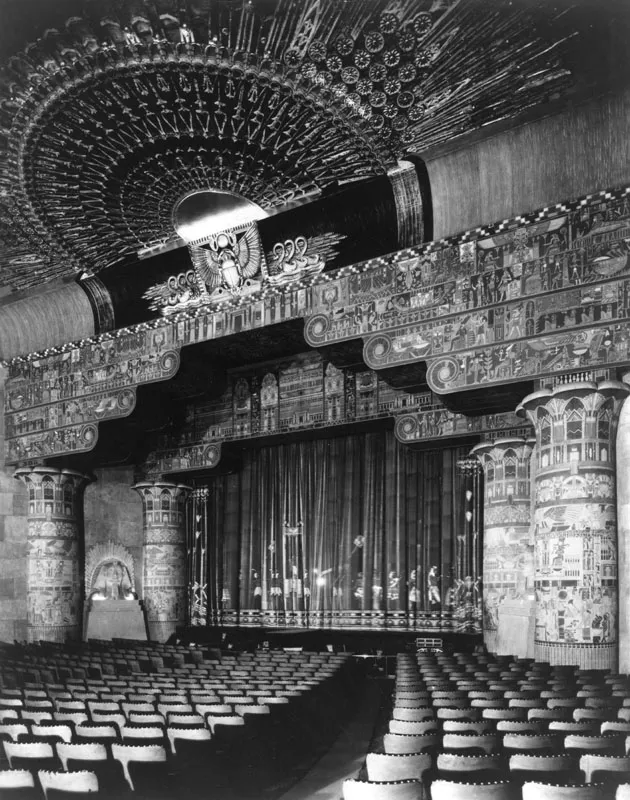
The Egyptian style also fitted the bold shapes and decorative patterns of Art Deco, which became popular during the decade.
Furniture, wallpaper, and public buildings began featuring Egyptian-inspired designs alongside other Art Deco styles.
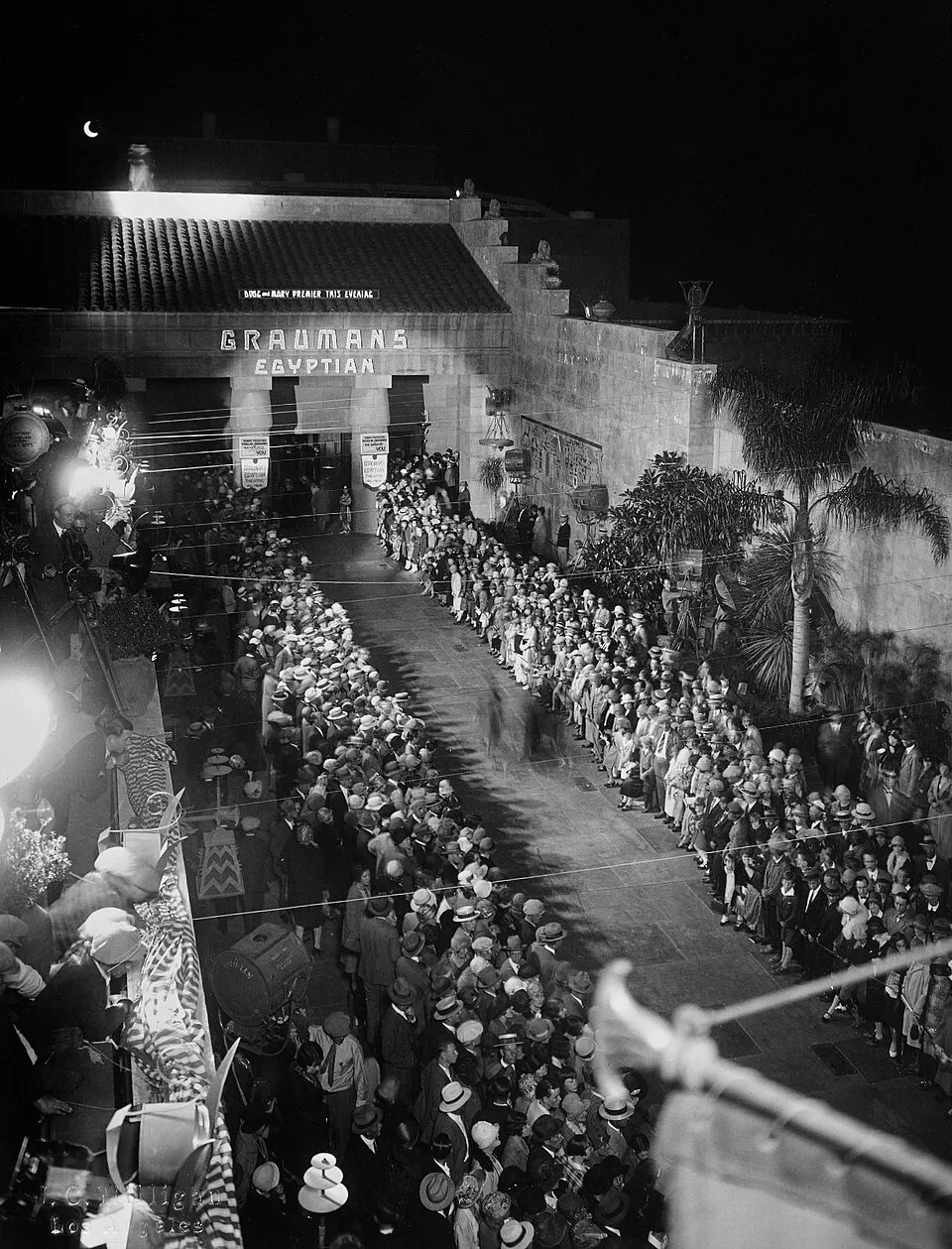
In 1932, Universal Pictures released The Mummy, starring Boris Karloff. The film drew inspiration from the stories and rumors that followed the discovery of Tutankhamun's tomb.
King Tut Was Selling Almost Everything in the 1920s
Once businesses noticed how popular ancient Egypt had become, they started using it to sell products. Perfume makers were especially quick to follow the fashion.
A French perfume advertisement from June 1923 featured a bottle shaped like Tutankhamun's coffin. Egyptian images also appeared on cigarette packaging, cosmetics, and other luxury products.
But some of the items were much more ordinary. There were King Tut lemons sold in California.
There was also a board game called Tutoom that let players search for Egyptian treasures using small metal archaeologists riding donkeys.
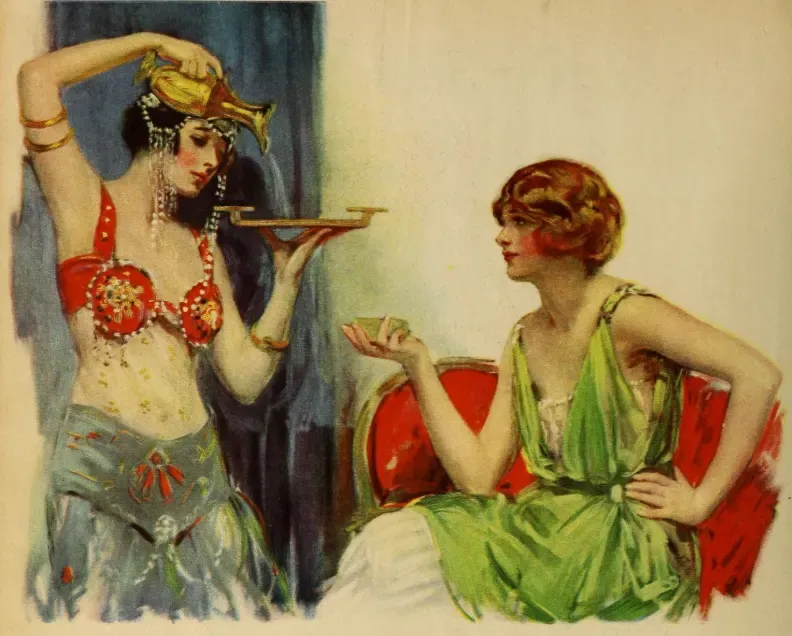
Even biscuits and cigarette cards received the Egyptian treatment. Advertisers also used pyramids and pharaohs to sell everyday goods such as soap and milk.
One of the strangest examples came from a company selling radio equipment.
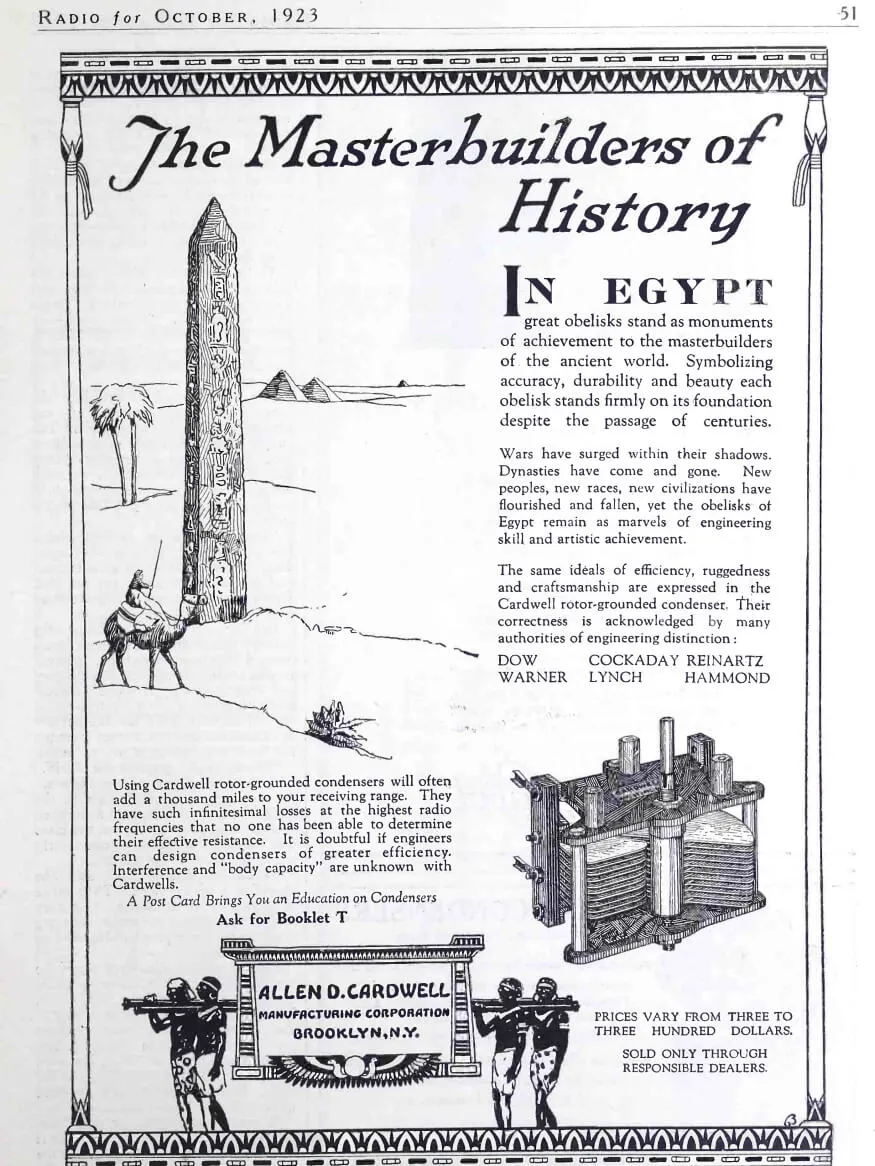
In October 1923, the Allen D. Cardwell Manufacturing Corporation published an advertisement comparing its radio components to ancient Egyptian obelisks.
The company wanted customers to connect its products with the skill and strength of ancient Egyptian builders.
Tut-mania Never Really Went Away
Every time the treasures went on tour the Tutmania craze came back, with new T-shirts and gift shop goodies.
When the big show reached America in the late 1970s, stars like Andy Warhol and Elizabeth Taylor went to see it. Steve Martin's famous song from that time was actually a joke about all the souvenirs being sold.
Year | Tut fever moment | Fun detail |
|---|---|---|
1966 | A villain named King Tut shows up on the Batman TV series | He believes he is the boy king born again |
1972 | "Treasures of Tutankhamun" opens at the British Museum in London | About 1.7 million visitors, and some waited up to eight hours in line |
1976 to 1979 | The treasures tour the United States | Around 8 million people come to see them |
1978 | Steve Martin sings "King Tut" on Saturday Night Live on April 22 | The single sells over a million copies and reaches No. 17 on the Billboard Hot 100 |
1980s | Terry's sells the Pyramint | A dark chocolate pyramid with a mint filling |
2019 | A big Tutankhamun show opens in Paris | 1.42 million visitors |
The newest chapter is happening in Egypt. The Grand Egyptian Museum near the Giza pyramids held its opening ceremony on November 1, 2025 with two halls for about 5000 objects from the tomb.
As ITV News reported, the full Tutankhamun collection is now shown together for the first time.
Comments · 0
Sort
Be kind — comments are public and follow the community guidelines.