There was something almost magical about the phonograph. For the first time, a voice, a song, or a speech could be captured and played back again whenever someone wanted. What sounds completely normal today was astonishing in the late 1800s.
In this article
Before the Phonograph: How People Heard Music Before Recorded SoundEdison’s 1877 Invention: The First Machine That Could Record and Play SoundFrom Tin Foil to Wax Cylinders: Making the Phonograph PracticalCylinders vs. Disc Records: Why Discs Took OverThe Phonograph at Its Peak: Records, Music Stars, and a New IndustryWhy the Phonograph Declined and What Replaced It
Before the phonograph, music was something you had to experience live. If you wanted to hear a song again, someone had to sing it or play it. Thomas Edison’s invention changed that idea forever and opened the door to recorded music, home entertainment, and eventually the record industry.
In this article, we’ll look at what came before the phonograph, how Edison developed it, how people reacted to hearing recorded sound for the first time, and how the machine evolved over the following decades. We’ll also follow its rise in popularity, its peak years, and why newer technologies eventually pushed it aside.
Before the Phonograph: How People Heard Music Before Recorded Sound
During the 1800s, music was much more tied to people and places than it is today. You might hear it at a concert, theater, church, dance, or simply at home. In many households, family members made their own entertainment by singing or playing instruments such as the piano or parlor organ.
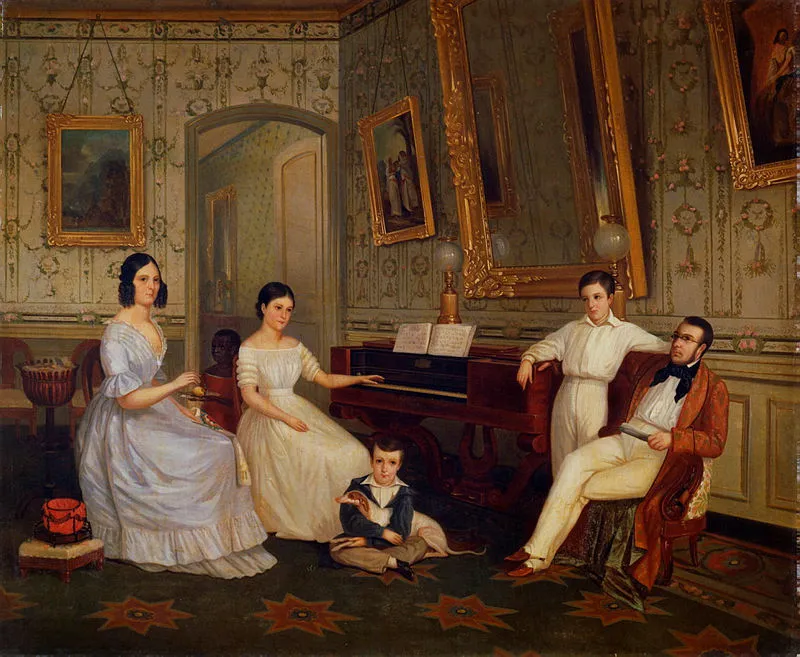
Making music together at home became an important part of nineteenth-century social life, especially among families who could afford an instrument. The Library of Congress has a fascinating collection of period parlor music showing just how common this kind of home entertainment became.
Sheet music was important because there was no recording you could buy and take home. If you liked a new song, you could buy the printed music and learn to perform it yourself.
That meant two families could own the same song but hear quite different versions of it, depending on who was sitting at the piano and how well they could play.
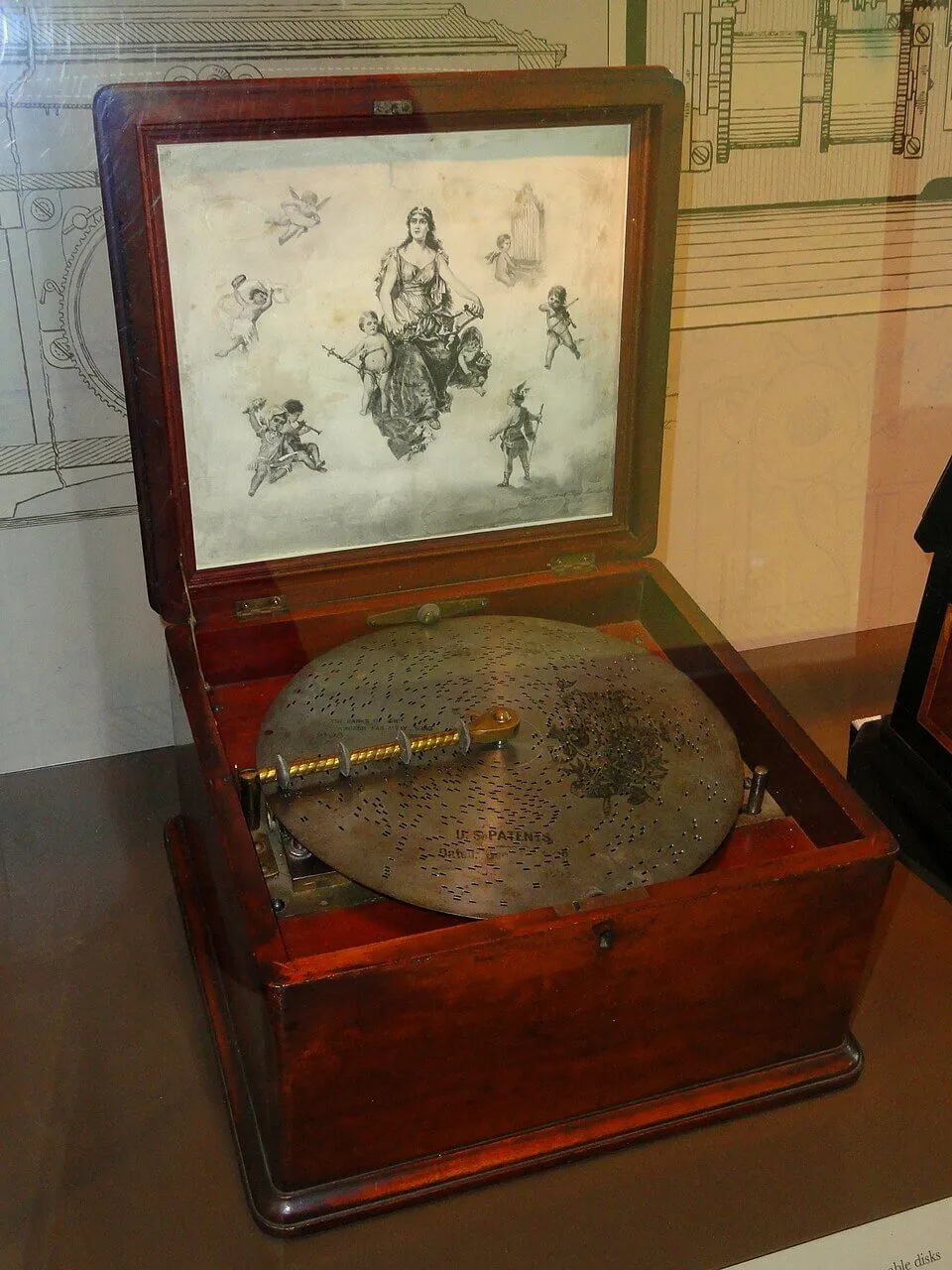
There were also mechanical ways to hear music before the phonograph. Music boxes had already been around for decades. Some used spring-powered cylinders that triggered tuned metal teeth as they rotated.
A surviving Swiss cylinder music box in the Smithsonian dates from around 1838–1842, almost forty years before Edison’s phonograph. These machines could repeat a melody, but they were not reproducing a singer or musician’s actual performance.
And here is where things get especially interesting. In 1857, French inventor Édouard-Léon Scott de Martinville created the phonautograph, a machine that traced sound waves onto a surface.
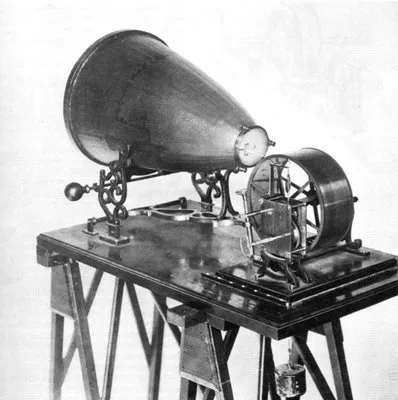
It could capture the shape of a voice or musical sound, but there was one rather serious limitation: nobody could play the sound back. Scott designed it so sound could be studied visually, not heard again.
Edison’s 1877 Invention: The First Machine That Could Record and Play Sound
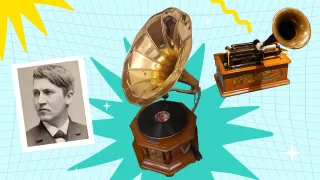
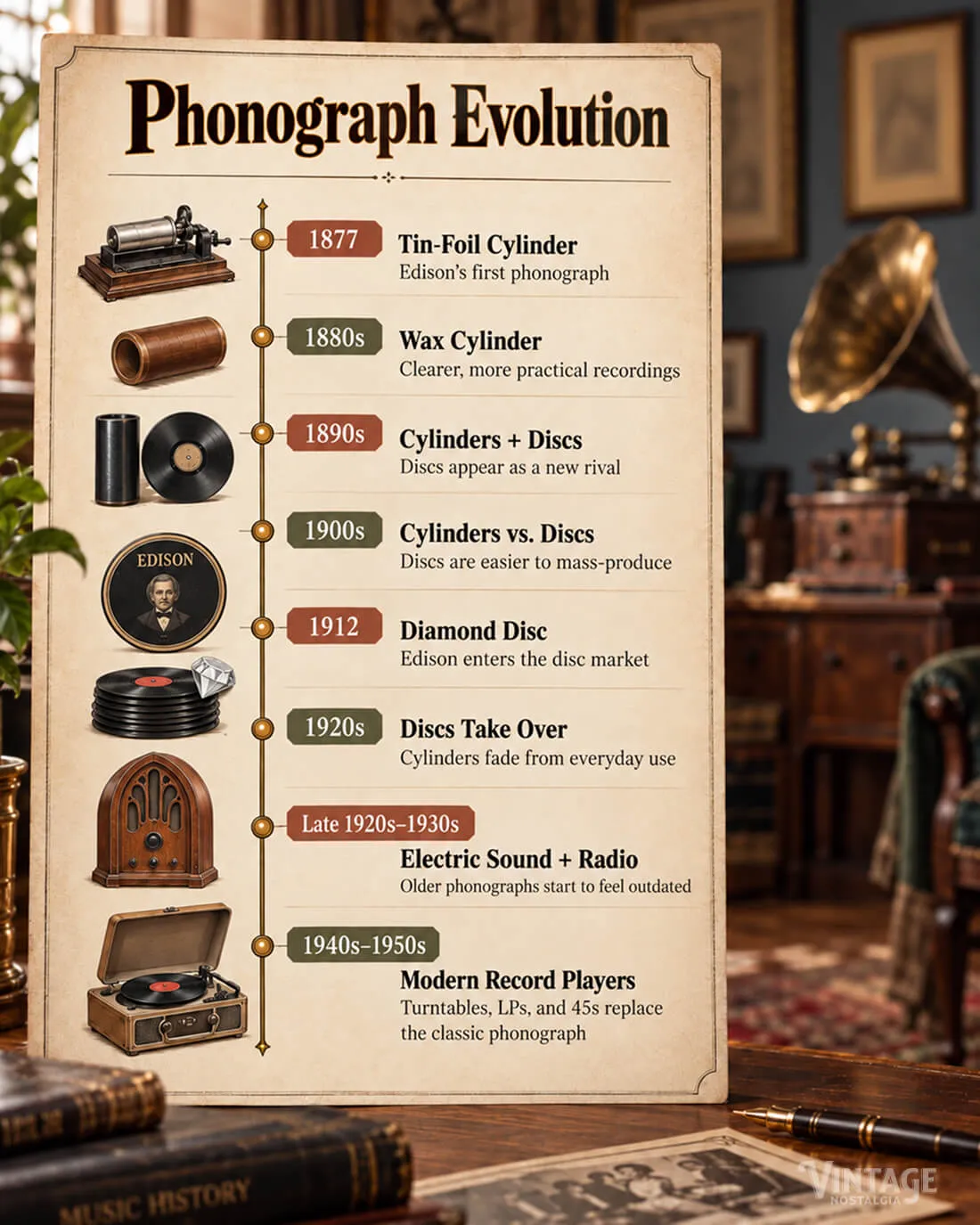
Thomas Edison was working on telegraph and telephone ideas in 1877 when he started thinking about whether a voice could be captured and played back. Later that year, he came up with a machine that used a metal cylinder covered in tin foil.
A small stylus pressed the sound vibrations into the foil as the cilinder turned, then followed those same marks to play the sound back.
Edison’s famous first test was “Mary had a little lamb.” The working machine was built in December 1877, and the Edison Papers explains how quickly the idea came together.
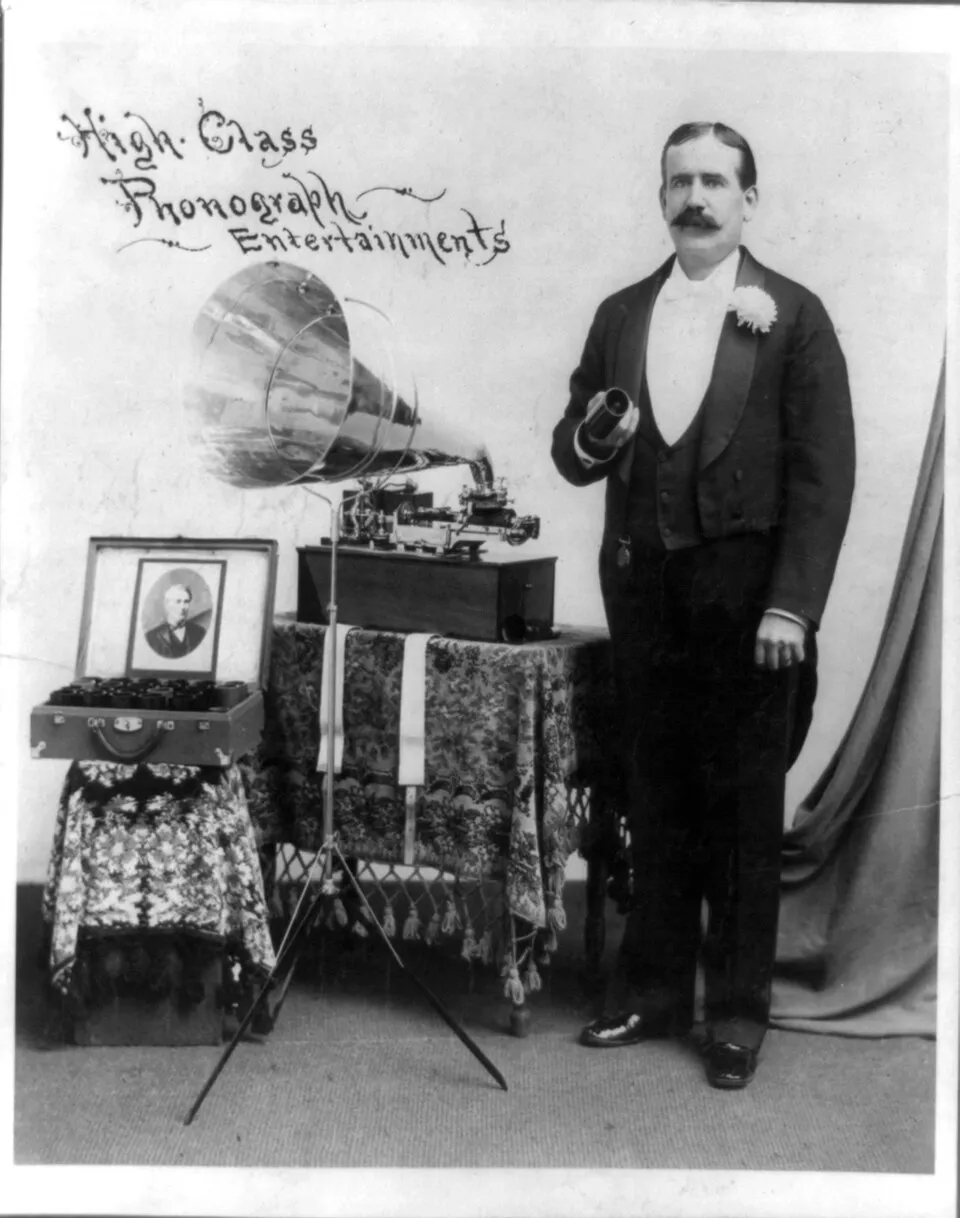
People were amazed because nothing like this had ever existed before. Edison showed the machine at the offices of Scientific American, and the story spread fast through newspapers.
Soon, crowds were paying to hear the “talking machine' for themselves. Edison even demonstrated it at the White House in 1878. The sound was rough and the tin foil wore out quickly, but hearing a machine repeat a human voice still felt almost unbelievable at the time.
At first, Edison thought the phonograph might be useful for things like office dictation, spoken letters, books, and preserving speeches. Music was only one possible use. That would change soon, once better recording materials made the machine easier to use and much more practical.
From Tin Foil to Wax Cylinders: Making the Phonograph Practical
The first phonograph was exciting, but tin foil was a terrible material for everyday use. It tore easily, recordings could only be played a few times, and getting a clear recording was difficult.
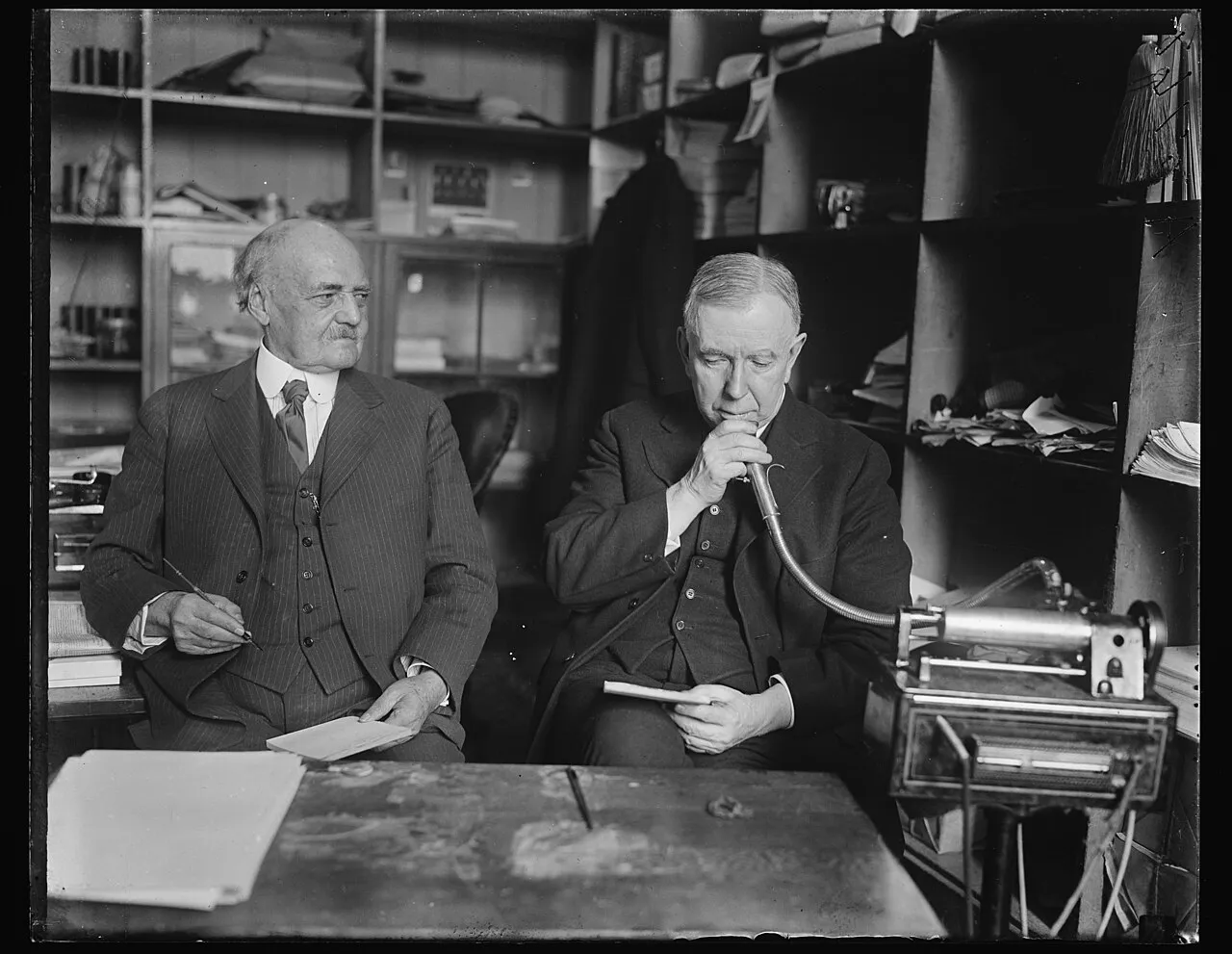
Edison soon moved on to other projects, and during the early 1880s Alexander Graham Bell, his cousin Chichester Bell, and Charles Sumner Tainter started improving his idea.
Their biggest change was replacing tin foil with wax cylinders and using a stylus that cut a groove into the wax instead of simply pressing marks into foil. Their machine became known as the graphophone.
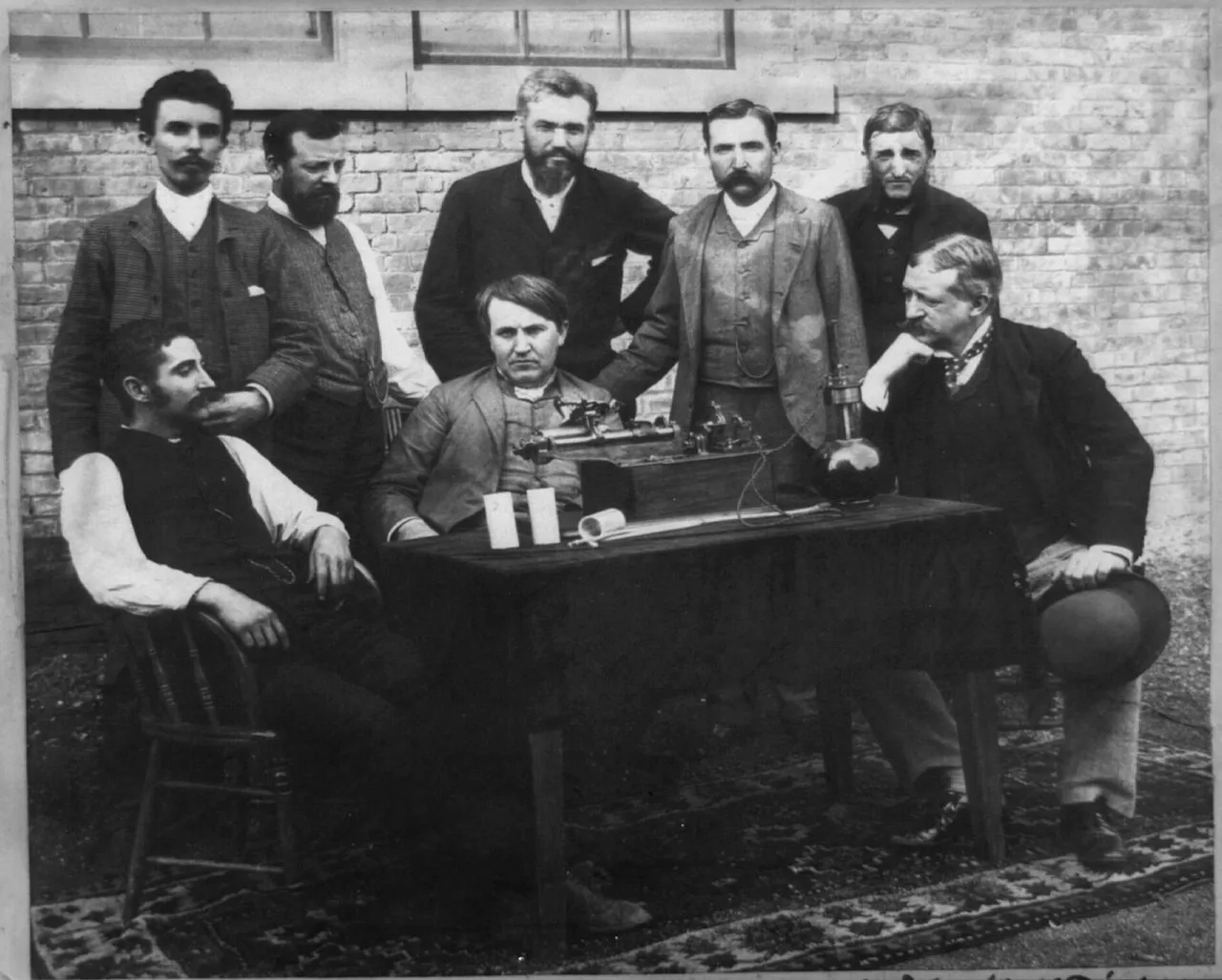
The improvement got Edison’s attention. He returned to the phonograph in 1887 and began using wax cylinders in his own machines as well. Wax gave better results, lasted longer, and could be shaved smooth so a cylinder could sometimes be recorded on again.
Edison soon introduced improved phonographs, while companies initially tried selling them mainly as office dictation machines. That business never really took off, but something else did: people enjoyed listening to them.
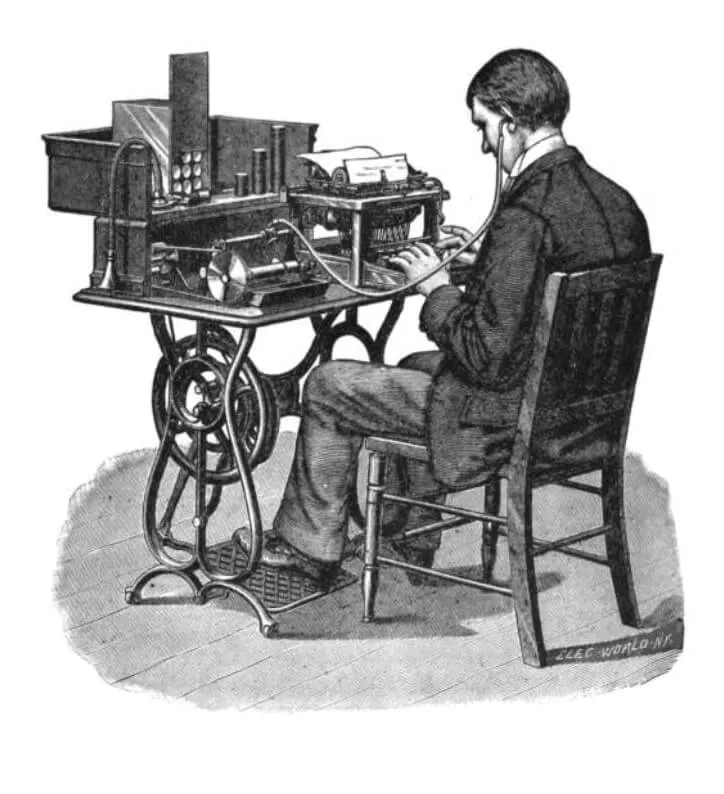
By 1889, coin-operated phonographs were appearing in places such as hotel lobbies and train stations, where people could pay to hear prerecorded music or spoken recordings through listening tubes. Edison also showed his improved machines at the Paris Exposition that year, putting recorded sound in front of millions of visitors.
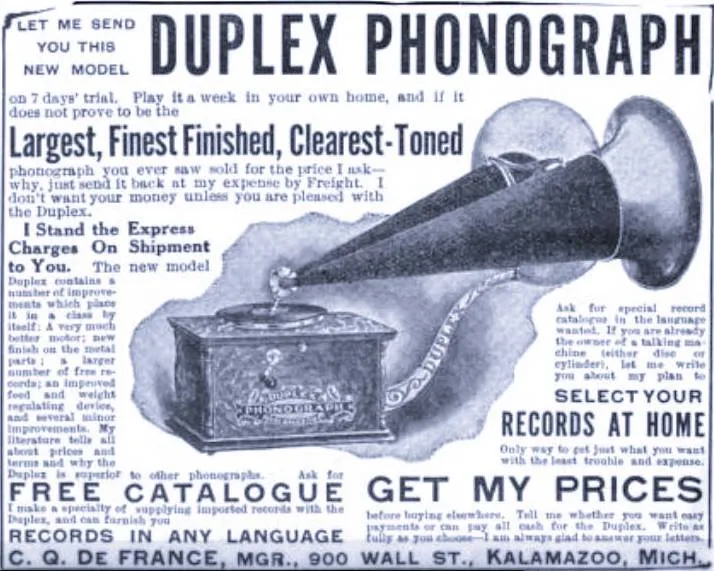
By 1909, advertisements for machines like the Duplex Phonograph were offering home trials, record catalogs, and mail-order buying, showing how far the phonograph had moved from a curious invention to an everyday consumer product.
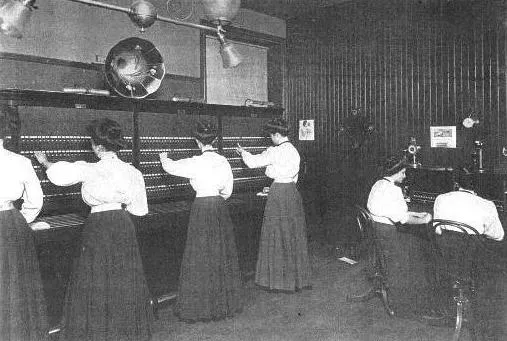
That same year, the Tel-musici service in Wilmington, Delaware, was even sending phonograph music to subscribers over telephone lines. Operators played records in a central music room, and the sound traveled through the phone network into people’s homes, almost like an early version of music streaming.
Cylinders vs. Disc Records: Why Discs Took Over
By the late 1880s, cylinders finally had some competition. German-born inventor Emile Berliner developed the gramophone, which recorded sound on a flat disc instead of a cylinder. If you want the terminology explained clearly, see gramophone vs phonograph.
His first patents came in 1887, and the big advantage soon became clear: a master disc could be used to press many copies of the same recording. Making large numbers of identical cylinder recordings was much harder at first. Berliner also understood that people might want these machines mainly for entertainment, not just office work.
Discs also made more sense once recorded music became a real business. They were flat, easier to store and ship, and record companies could make large numbers of copies from one master.
By the early 1900s, companies such as Victor were selling disc machines and records to a growing home audience, while Columbia eventually offered both formats before dropping cylinders. This did not mean cylinders were bad, some sounded very good, and Edison kept improving them, but discs were better for selling music on a large scale.
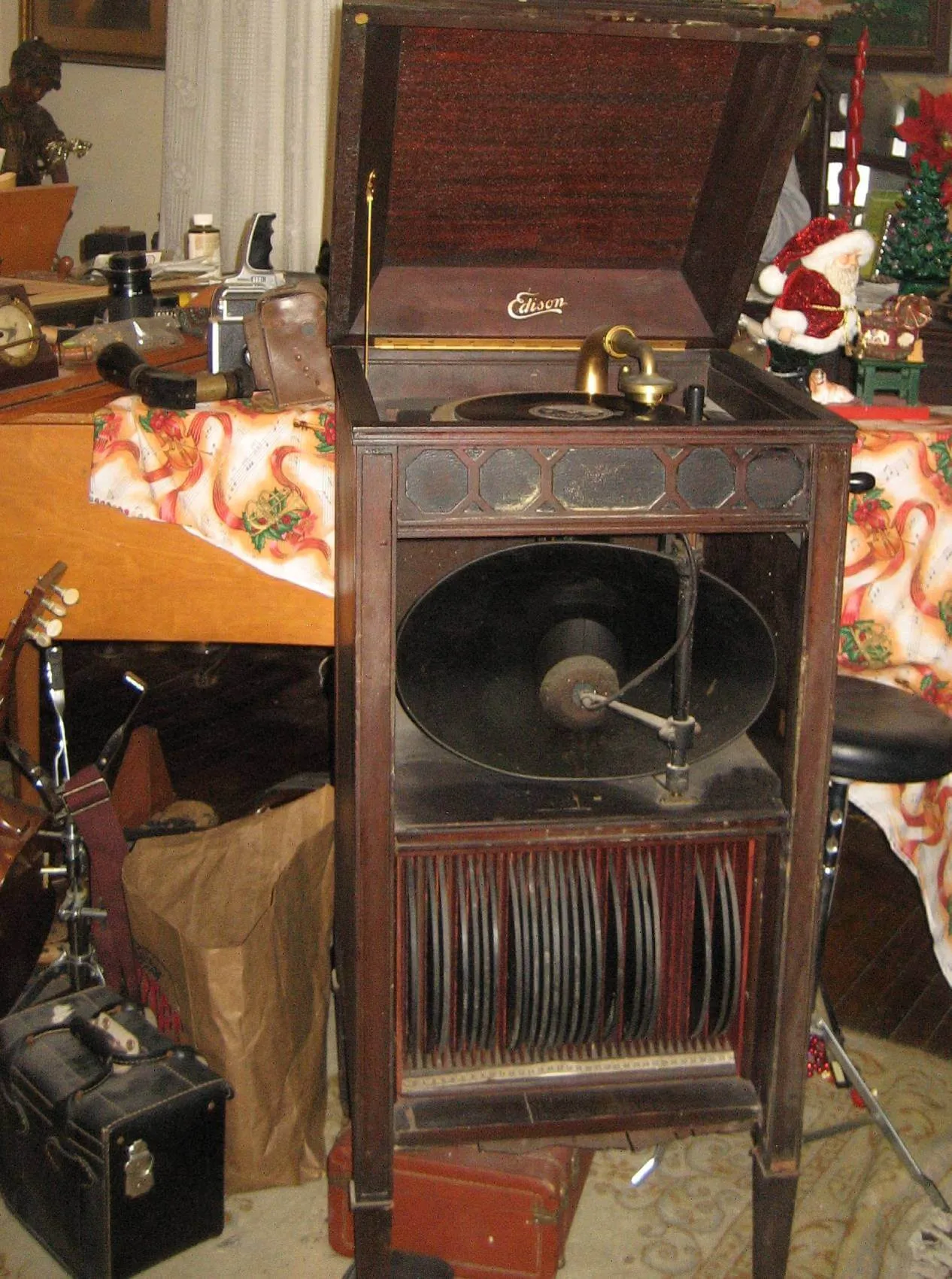
Edison held onto cylinders longer than many of his competitors. He finally entered the disc market in 1912 with the Edison Diamond Disc Phonograph, but by then flat records had already become the direction the industry was taking. The cylinder did not disappear overnight, but its days as the main home music format were numbered.
The Phonograph at Its Peak: Records, Music Stars, and a New Industry
By the early 1900s, recorded music was no longer just a clever invention people went somewhere to hear. Phonographs were moving into homes, and companies such as Victor, Columbia, and Edison were selling both machines and huge catalogs of music.
Victor helped make the phonograph feel more like part of the living room with the Victrola, introduced in 1906, which hid the horn inside a wooden cabinet. At the same time, better mass production meant record companies could sell the same performance to thousands of people instead of treating every recording as something rare.
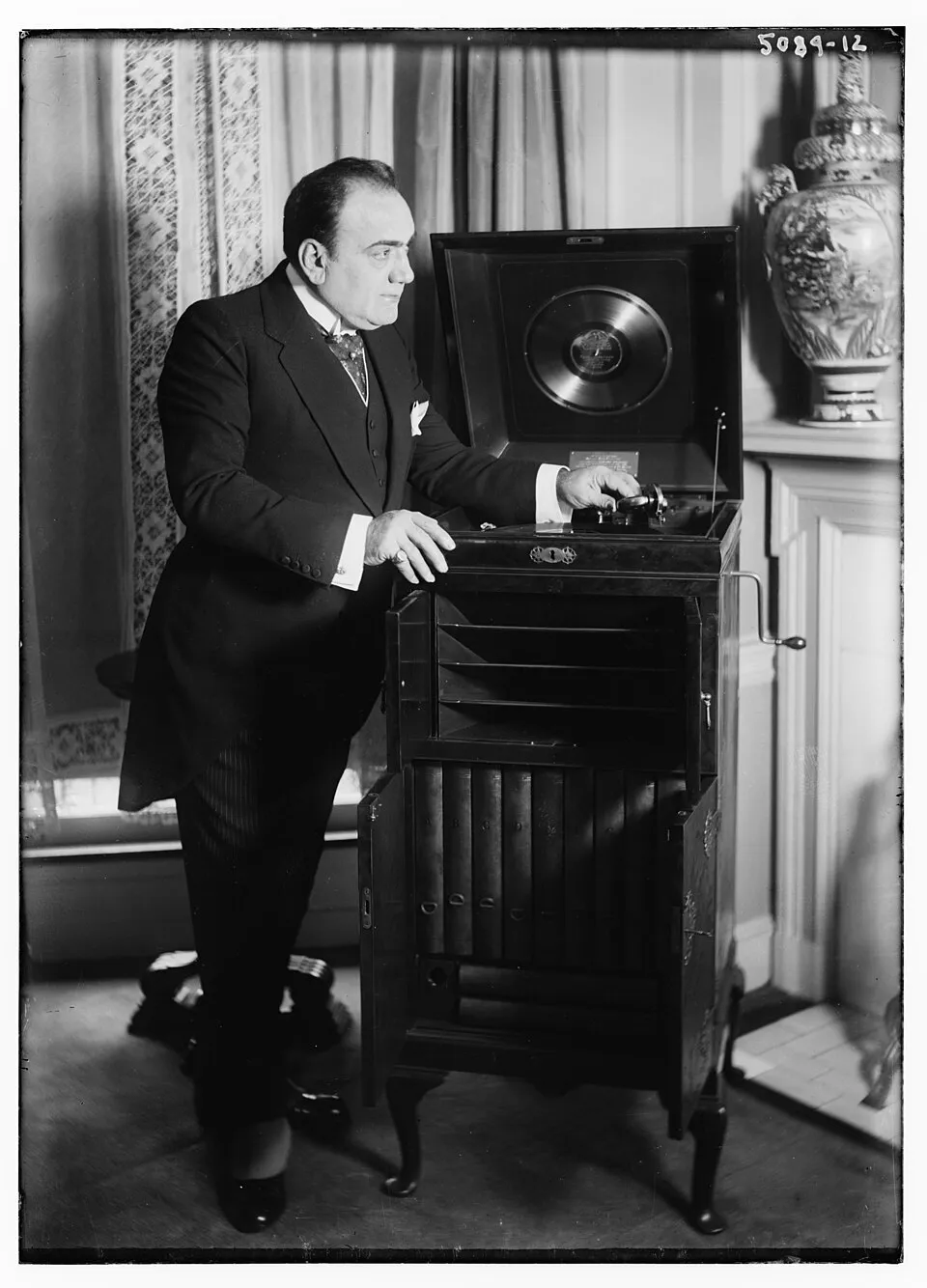
This also created a new kind of music star. Italian tenor Enrico Caruso became one of the first singers whose fame was closely tied to records. His recordings sold in huge numbers, and the Metropolitan Opera credits him as the first artist to sell one million records.
Record companies quickly learned that famous names could sell machines as well as music, so singers, bands, comedians, and popular performers became an important part of the business.
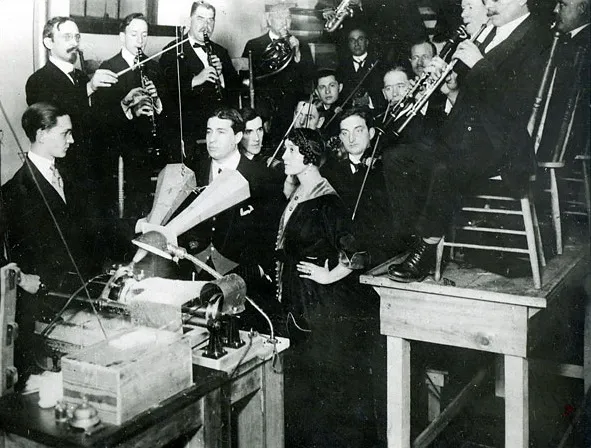
By the 1920s, records had become a normal part of American entertainment. Jazz, dance music, blues, opera, and popular songs could now travel far beyond the places where they were first performed.
In 1927 alone, around 100 million phonograph records were sold in the United States, showing just how large the business had become. The phonograph had done something bigger than simply replace live music at home: it had helped build a whole new industry around recording, selling, and collecting performances.
Why the Phonograph Declined and What Replaced It
The phonograph did not disappear overnight, but by the 1920s its world was changing fast. Radio gave families hours of music and entertainment without buying individual records, while microphones and electrical recording produced clearer, fuller sound. Then the Great Depression hit: U.S. record sales fell sharply, and Edison left the record business in 1929.
Records survived, but the old hand-cranked phonograph slowly gave way to electric record players and newer formats. Jukeboxes also helped keep recorded music popular in cafés, bars, and diners, something we explore in our jukebox history article.
After World War II, the old 78 rpm record was joined and eventually replaced by the 33⅓ rpm LP and 45 rpm single; our record formats guide explains why each speed existed and what it was used for.
So the phonograph itself faded, but its basic idea never did. Record players, cassette decks, CDs, MP3s, and streaming all continued the same simple idea Edison demonstrated in 1877: record sound once, then listen to it again whenever you want.
Comments · 0
Sort
Be kind — comments are public and follow the community guidelines.