The Roaring Twenties were loud, fast, and full of change. Jazz filled dance halls, nightlife became a bigger part of city life, and young people were eager to try new fashions, new music, and new ways to have fun. Right in the middle of it all was the Charleston.
In this article
With its quick kicks, twisting feet, and swinging arms, the dance looked playful, energetic, and a little rebellious. It could be danced with a partner or alone which made it even more popular with flappers and younger crowds. Among the many 1920s dances, few became so closely tied to the image of the decade.
The Charleston craze was about more than just the steps. It was connected to hit music, Broadway shows, famous performers, dance contests, nightlife, fashion, and even plenty of criticism from people who thought it was too wild.
This article looks at where the Charleston came from, how the music helped it spread, and the people and lifestyle that turned it into one of the great symbols of the 1920s.
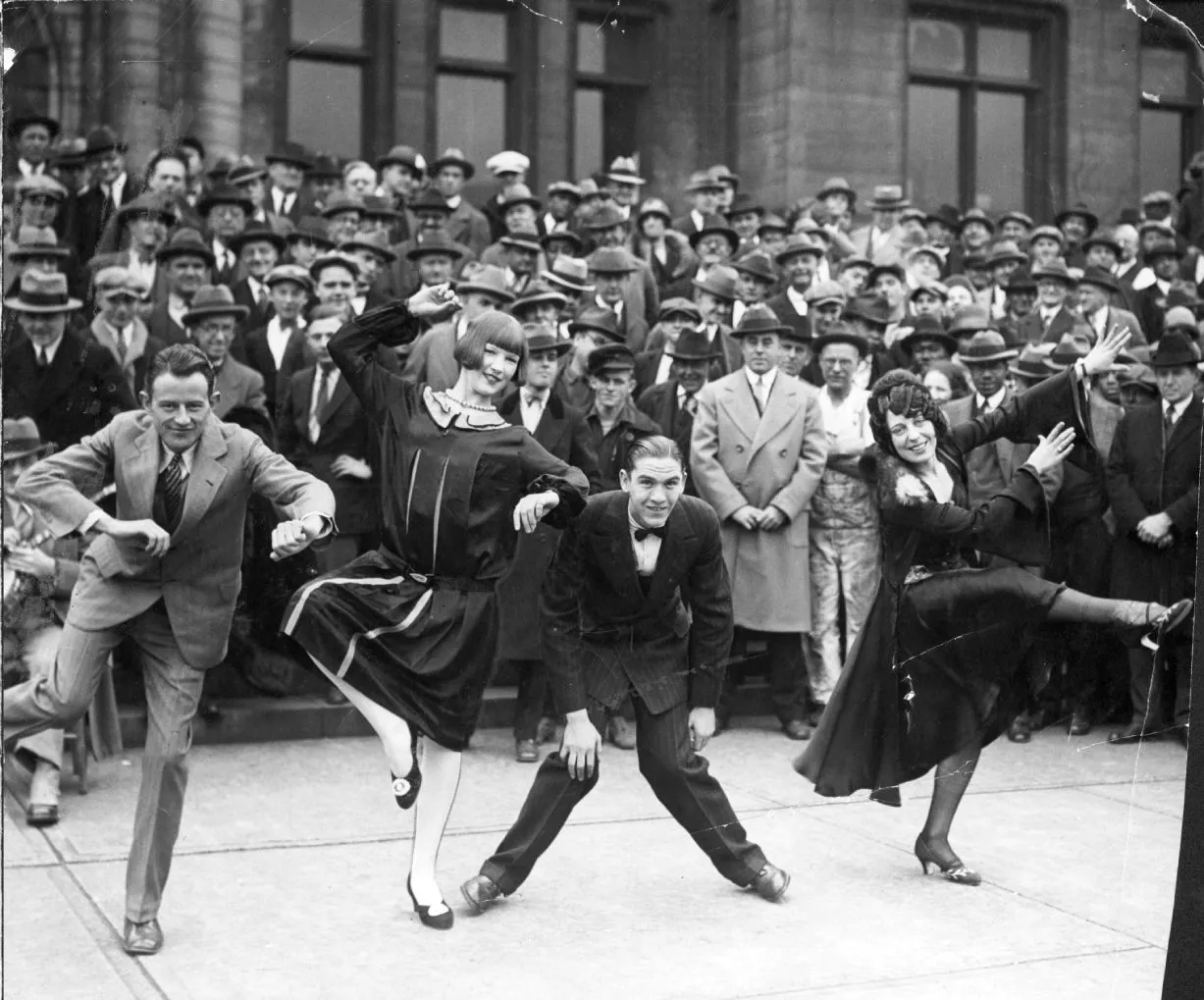
Where Did the Charleston Come From?
The Charleston grew out of Black communities around Charleston, South Carolina, where similar steps and rhythms had already been danced for years before the craze reached Broadway in the 1920s.
A Library of Congress history traces the characteristic step to Black dockworkers in Charleston in the early 1900s. Pianist James P. Johnson, who later wrote the famous “Charleston” song, remembered seeing the dance performed on stage as early as 1913.
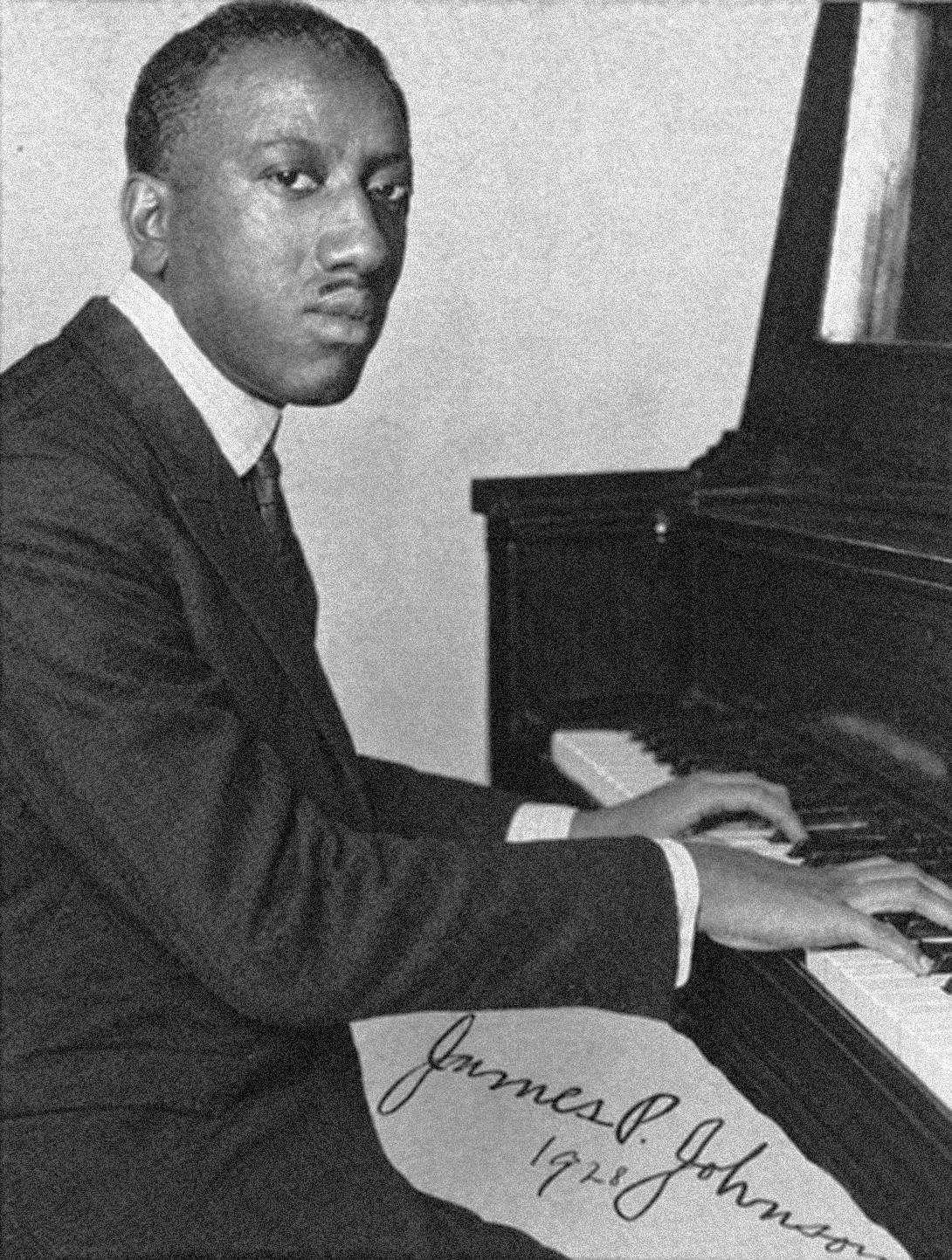
Johnson was one of the leading musicians of stride piano, a lively style built around a strong beat and syncopated rhythms. That bouncing sound fit the Charleston perfectly and helped make the song easy to dance to.
Music was a big part of that story. Charleston and the nearby Sea Islands had strong African American and Gullah musical traditions, with syncopated rhythms that encouraged lively, rhythmic movement.
One especially interesting connection is the Jenkins Orphanage Band, a group of young Black musicians from Charleston that began touring long before the Charleston became a national craze.
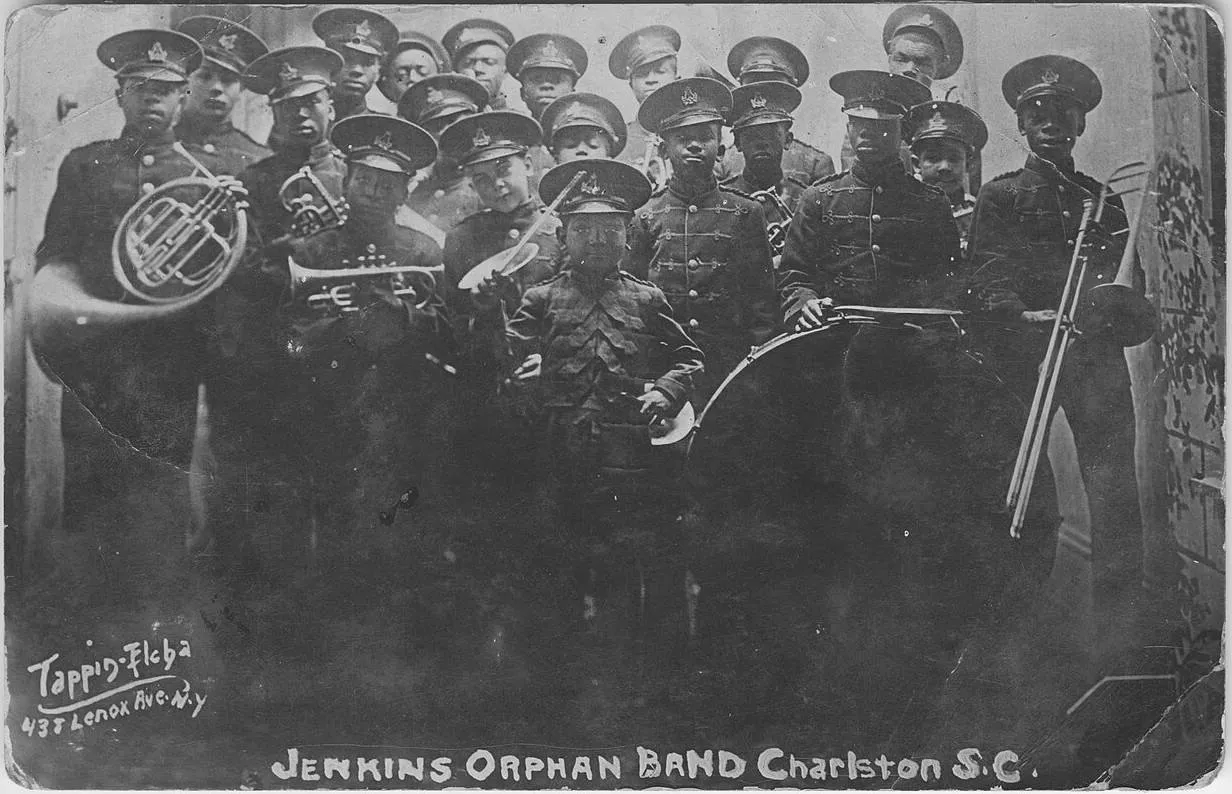
The band played marches, popular tunes, and local Gullah music, while young dancers sometimes performed energetic steps in front of them.
By the early 1920s, versions of the dance were already reaching the New York stage. A Charleston-style number appeared in the 1922 musical Liza, but the real breakthrough came one year later with Runnin’ Wild.
That Broadway show featured James P. Johnson and Cecil Mack’s song “Charleston,” and the dance soon moved from theater into the center of American popular culture.
How the Charleston Was Actually Danced
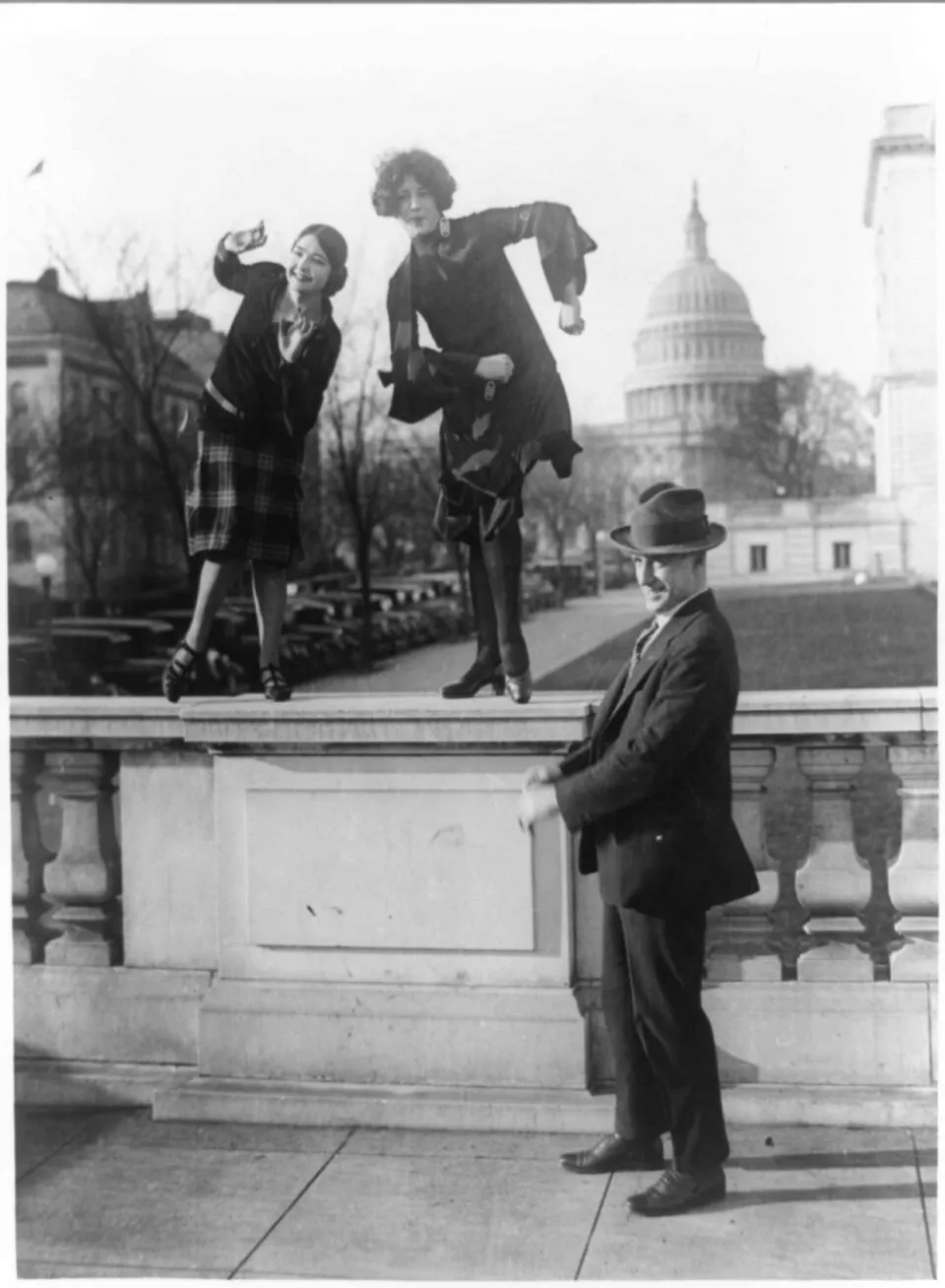
The Charleston gave dancers plenty of freedom, but there were still recognizable steps and patterns.
A great period example appeared in Photoplay magazine in October 1925, when actress Bessie Love demonstrated a nine-part Charleston routine for readers in a Photoplay feature called Everybody’s Doing It Now: Bessie Love Shows You How.
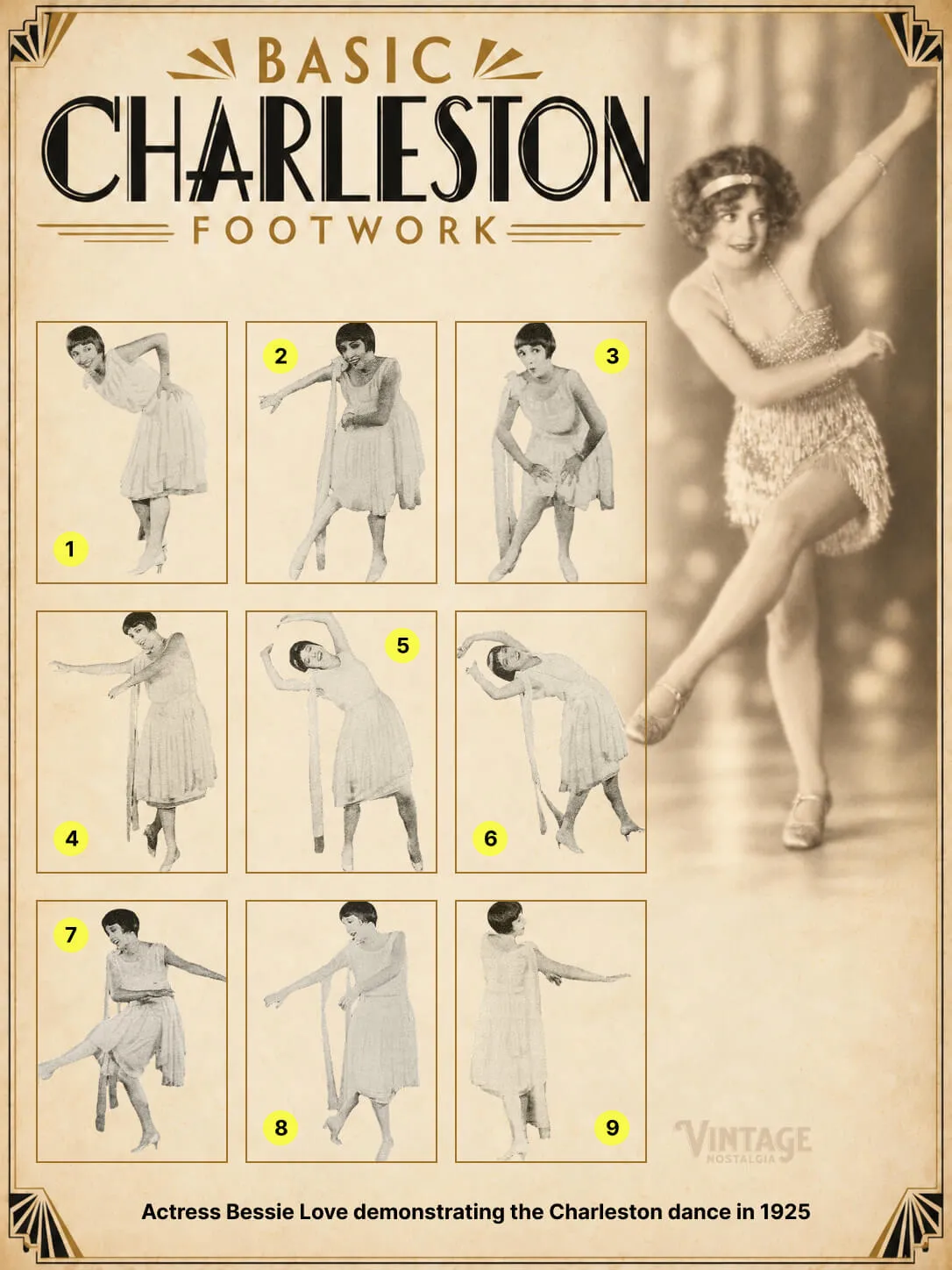
Here is the routine in simpler terms:
Step 1: Put your hands on your hips and lean forward. Step forward with fairly straight knees, giving each knee two small dips before the next step.
Step 2: Lean forward and swing your arms in opposite directions. Point the right foot forward, move it heel-to-toe toward the side and back, then forward again. Switch to the left foot and repeat.
Step 3: Bend forward slightly with your hands on your knees. Move the knees inward and outward while crossing and uncrossing your arms in a scissors-like motion.
Step 4: Swing your arms to the opposite side, skip to the right, and point the toe.
Step 5: Lean your body slightly backward while raising both hands.
Step 6: Point the right foot forward with the heel out. Lean far back and lift both hands above your head with your palms facing outward.
Step 7: Repeat the movement from Step 2, but kick forward from the knee instead of simply pointing the toe.
Step 8: Cross the right foot in front of the left and turn your body half a circle from front to back.
Step 9: Cross the left foot over the right and turn back to the front. Finish with the right foot pointed forward, the right arm stretched to the side, and the left hand above the head.
There was no single Charleston routine that everyone followed exactly. Period dance manuals describe several forms, including the Single Charleston, Double Charleston, and Charleston Walk.
Some stayed mostly in place, while others let dancers travel across the floor or add crossed steps and extra touches. For a modern look at the basic classic Charleston movement, Fiona also breaks the steps down in this video lesson.
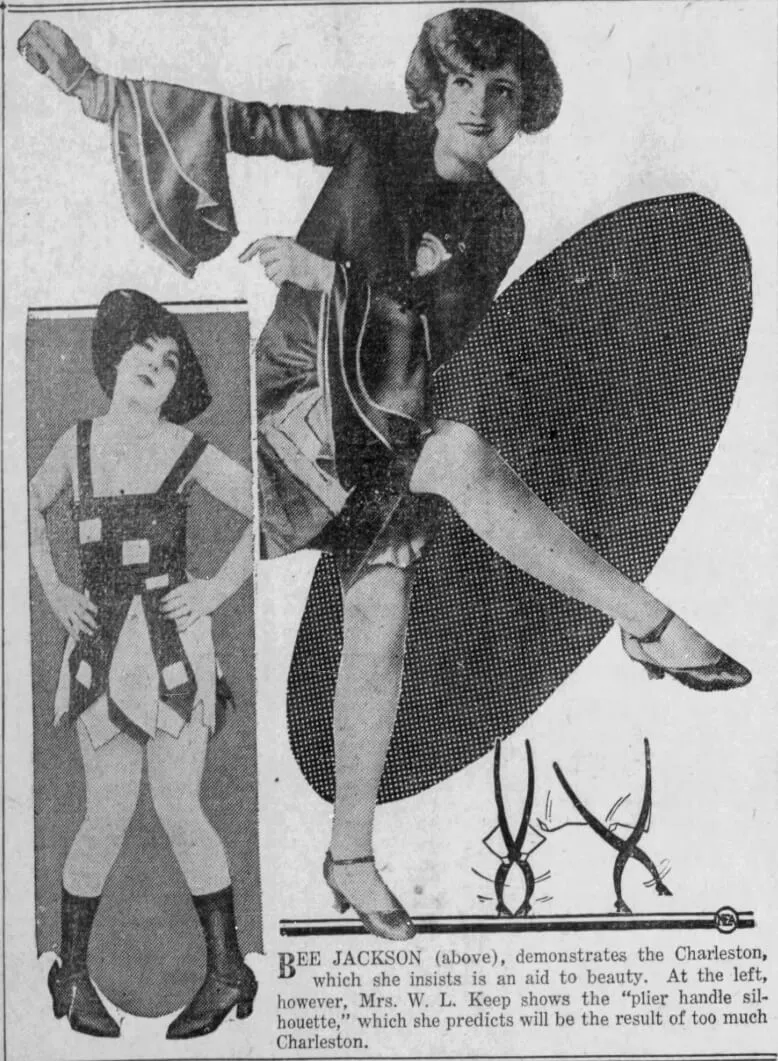
The craze also created its own stars. Bee Jackson built a professional act around the Charleston, performing it in New York nightclubs and later taking it on tour.
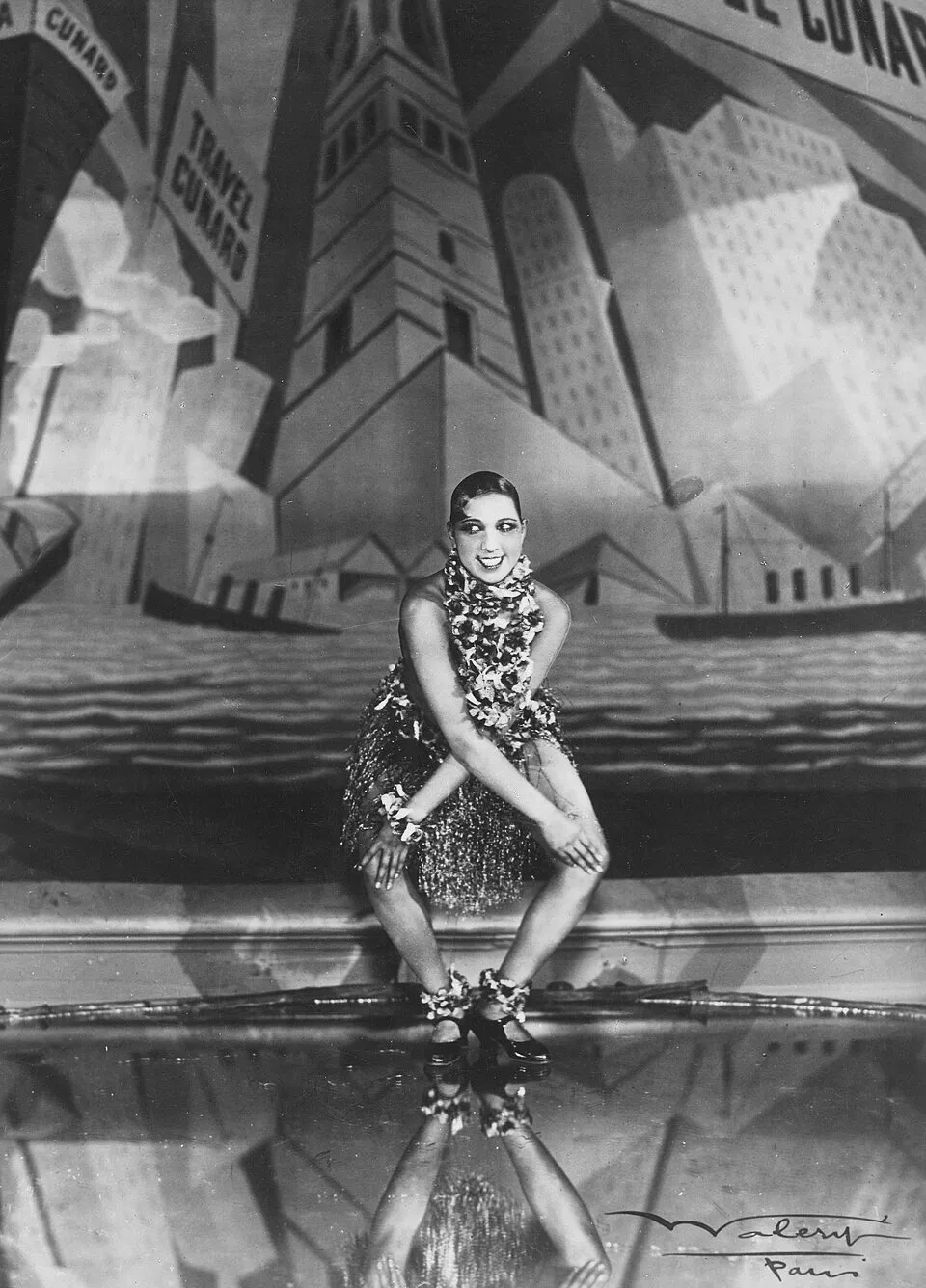
Josephine Baker became another famous face of the craze after moving to Paris in 1925, where her energetic dancing helped turn her into an international star.
By 1926, the Charleston was filling major venues. On December 15, London’s Albert Hall held a Charleston Ball and Competition that ran from 9 p.m. until 5 a.m.
Fred Astaire was among the judges, Florence Mills performed, and dancers competed in several categories. Later histories put attendance at around 10,000 people, a remarkable crowd for a dance craze only a few years old.
Why the Charleston Became So Popular
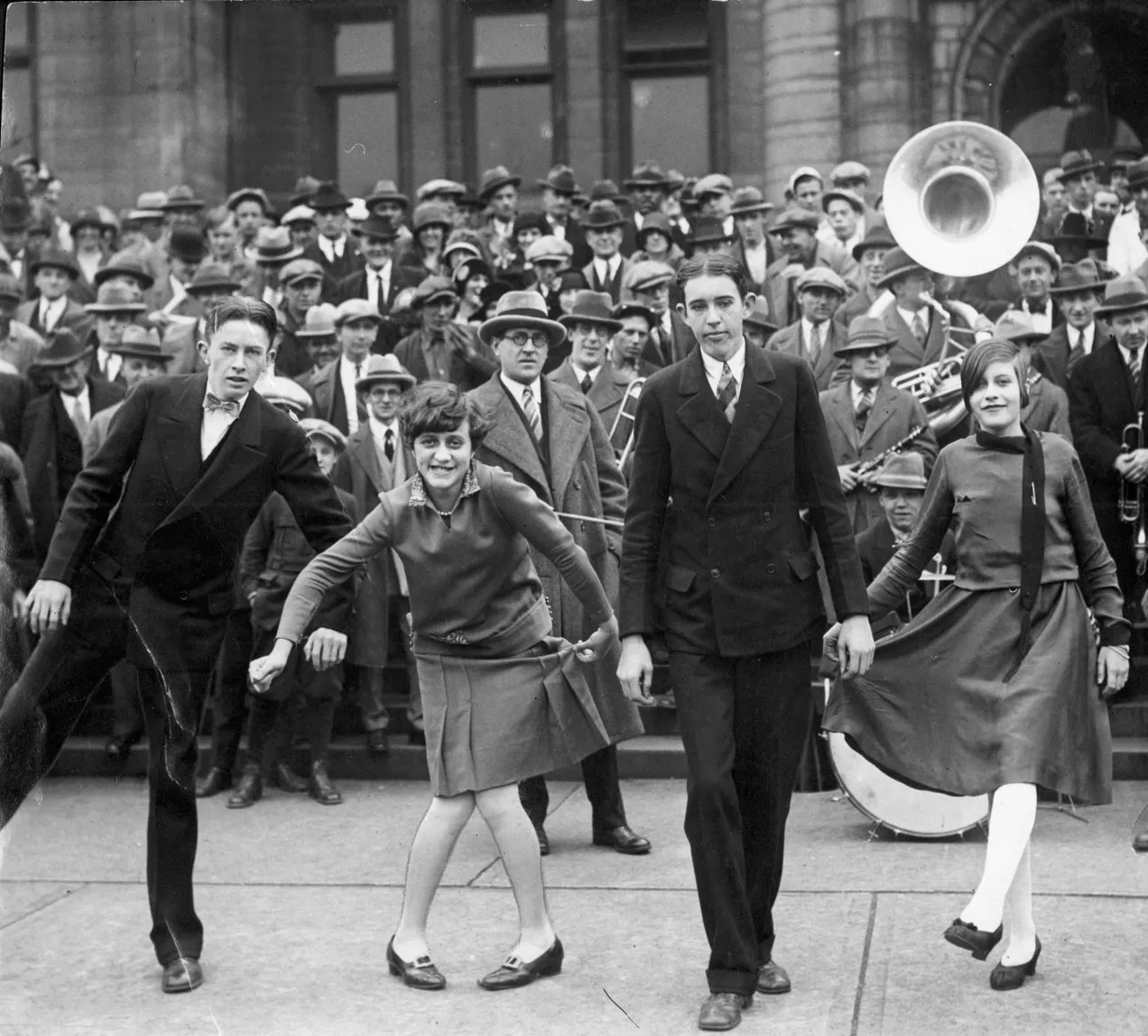
The Charleston arrived at exactly the right moment. Many young Americans were loooking for something more exciting than the social rules their parents had grown up with and the dance felt new, fast and a little rebellious.
It also worked perfectly with the jazz music filling theaters, clubs, and dance halls. Unlike more formal partner dances, people could dance the Charleston alone, with a partner or in a group, which made it easy to turn into a party spectacle.
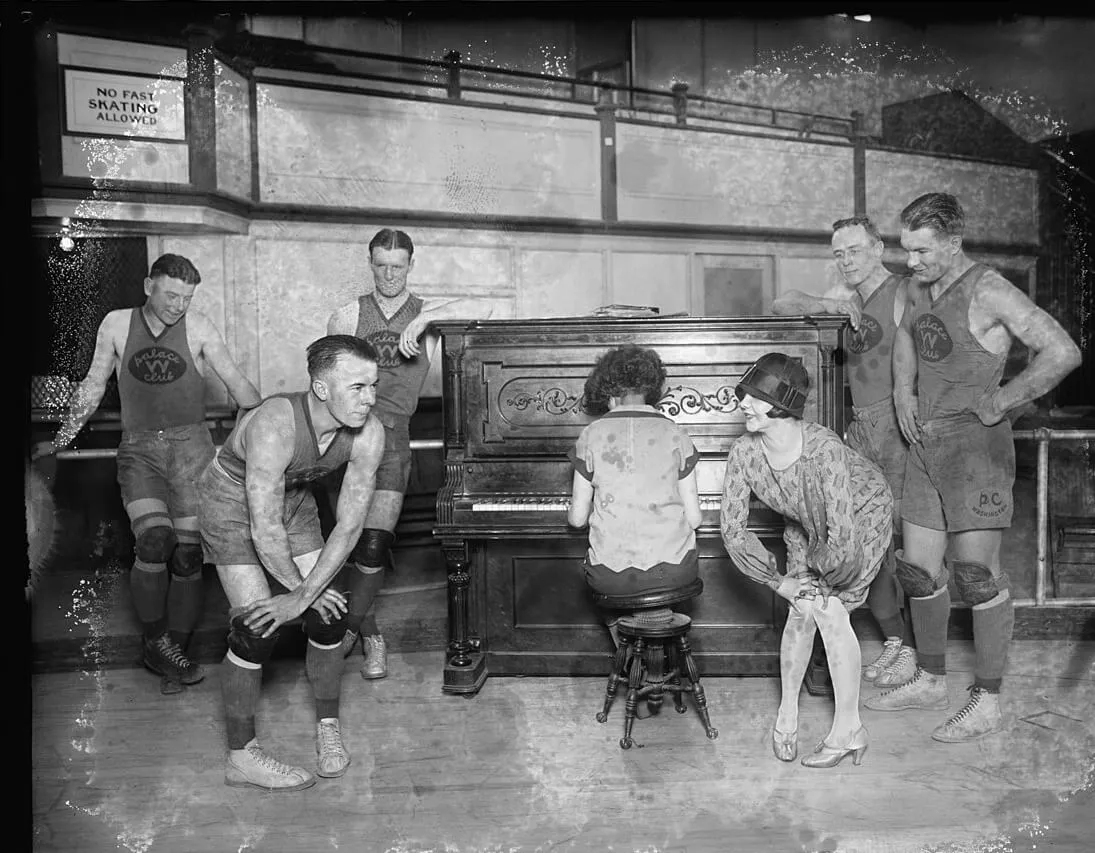
By the middle of the decade, it had become one of the best-known crazes of the Jazz Age.
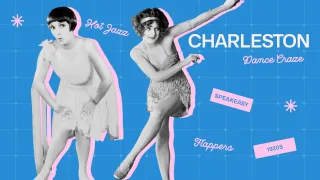
Flappers became the most famous image connected with it. Their bobbed hair, looser dresses, shorter hemlines, and lighter undergarments made energetic dancing much easier than the stiff fashions worn by earlier generations.
More important was the attitude behind the look. Flappers went to jazz clubs, drank, smoked in public and openly enjoyed dancing and nightlife in ways that shocked many older Americans. The Charleston, with its swinging arms and flying kicks fit that new sense of freedom almost perfectly.
Prohibition also helped create the right setting for the craze. After legal alcohol sales were banned in 1920, illegal bars known as speakeasies spread through American cities. Many offered live jazz, drinking, dancing, and a late-night atmosphere that attracted younger crowds.
Cabarets and nightclubs gave dancers places to try the newest steps, while the Charleston’s energetic rhythm made it a natural match for the music. The dance quickly became part of the same nightlife culture associated with flappers and speakeasies.
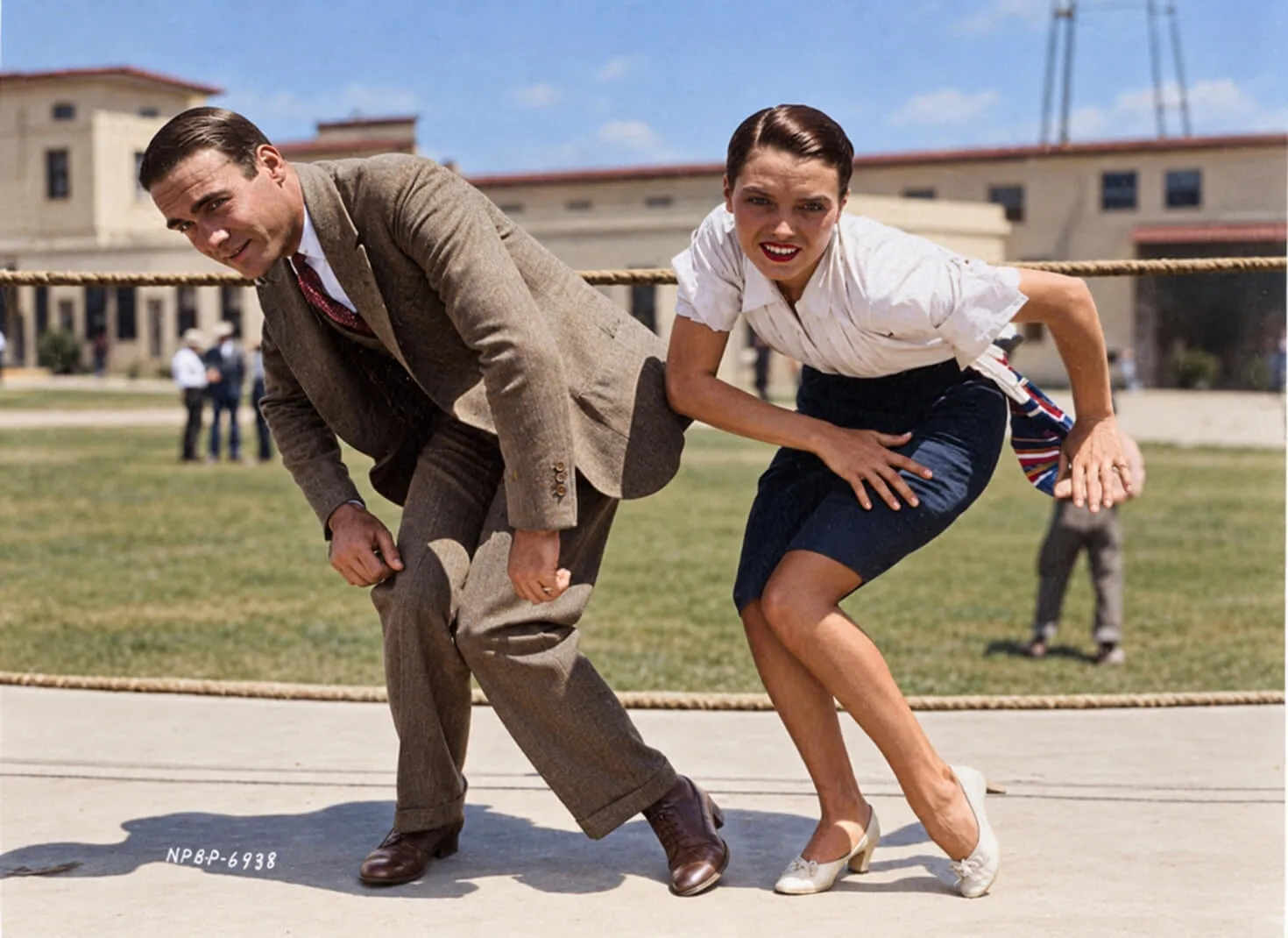
Hollywood was also helping spread the craze, with movie stars learning Charleston steps for the screen, as shown here with Frank Farnum coaching actress Pauline Starke for Bright Lights in 1925.
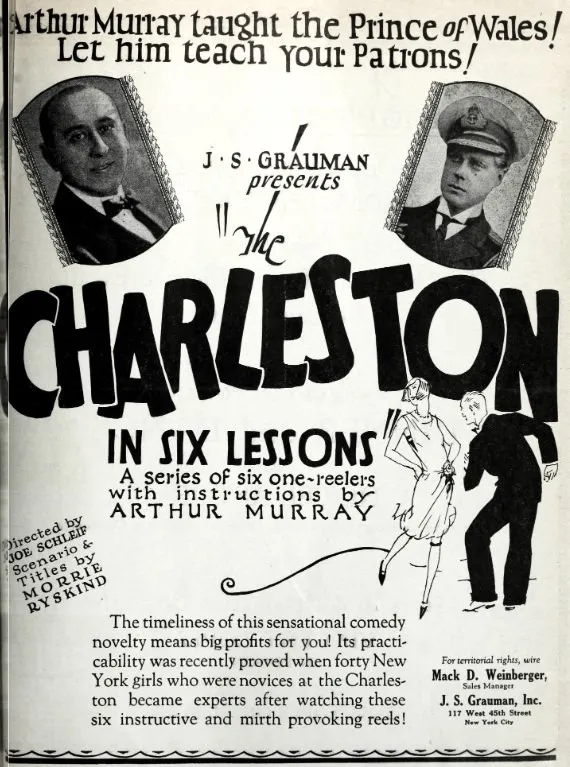
By 1926, the Charleston was so popular that people could even learn it at the movies. Dance teacher Arthur Murray appeared in a six-part film lesson called The Charleston in Six Lessons, advertised in The Film Daily. The ad even claimed that Murray had taught the dance to the Prince of Wales, who later became King Edward VIII.
The controversy probably made this dance even more interesting. Some dance teachers and older Americans thought the Charleston was too wild, while younger dancers kept doing it anyway.
A January 1926 issue of Auburn University’s student newspaper was already debating whether the Charleston would even be allowed at upcoming dances, calling the question one of the main issues of the day. The more people argued about the Charleston craze, the harder it became to ignore.
The Charleston’s Lasting Legacy
The Charleston craze cooled as the 1920s ended, but the dance itself never really disappeared. Its kicks, turns, and eight-count rhythm became part of later swing dancing, especially the Lindy Hop.
Today, dancers still gather for events built around Charleston, solo jazz, and swing. In the U.S., Stompology in Rochester, New York, has been running since 2006 and is devoted to authentic jazz, Charleston, and solo movement. Its 2026 edition included classes, social dancing, live music, and competitions.
In Europe, the annual Savoy Cup in France still includes Solo Jazz/Charleston competitions, with separate open and advanced divisions. Its 2026 program also featured Charleston in team and chorus-line events.
Now tell us, would you give the Charleston a try, or do those flying kicks look like too much work?
Comments · 0
Sort
Be kind — comments are public and follow the community guidelines.