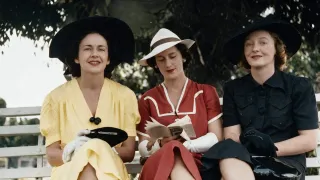
Women’s hats in the 1930s could change an entire outfit. At the beginning of the decade, women were still wearing close-fitting cloches that looked familiar from the 1920s. But the shapes soon became softer, wider, smaller, more tilted, and sometimes much more dramatic. Berets slipped over one eye and tiny hats sat at sharp angles. Turbans appeared with evening clothes, while women even borrowed the fedora from men’s fashion.
In this article
Hairstyles were changing too. As fuller waves and curls replaced the flatter hairstyles of the 1920s, women did not always want a deep hat pulled down over their hair. Hats became shallower, moved farther back on the head, or were tilted to one side.
And Hollywood certainly helped. A hat worn by a fashionable actress could suddenly make an unusual shape look glamorous rather than strange... what an era to shop for a hat.
In this article, you'll find seven hat styles that appear again and again in old photographs, newspapers, museum collections, and fashion coverage from the 1930s. And some of them might surprise you.
The 7 Hats at a Glance
Hat Style | What It Looked Like | Why It Stood Out |
|---|---|---|
Cloche and Slouch Cloche | Close-fitting, but softer and less rigid than the classic 1920s cloche | Familiar, practical, and easy to wear with early-1930s fashion |
Beret and Madcap | Soft, flexible, and usually worn at an angle | Youthful, affordable, and easy to reshape |
Eugénie and Tilt Hat | Small hat tilted forward or over one side of the face | Created the glamorous one-eye look seen in 1930s fashion |
Turban | Close-fitting hat with a wrapped or folded appearance | Worked especially well with dramatic evening clothes |
Picture and Cartwheel Hat | Very broad brim framing the face | Feminine, dramatic, and especially effective for summer and dressier outfits |
Fedora and Man-Tailored Hat | Based on men's felt hats but reshaped and styled for women | Perfect with the tailored suits becoming fashionable for women |
Halo and Off-the-Face Hat | Sat farther back and framed the face instead of covering the forehead | Allowed women to show their curls and waved hairstyles |
1. Cloche and Slouch Cloche
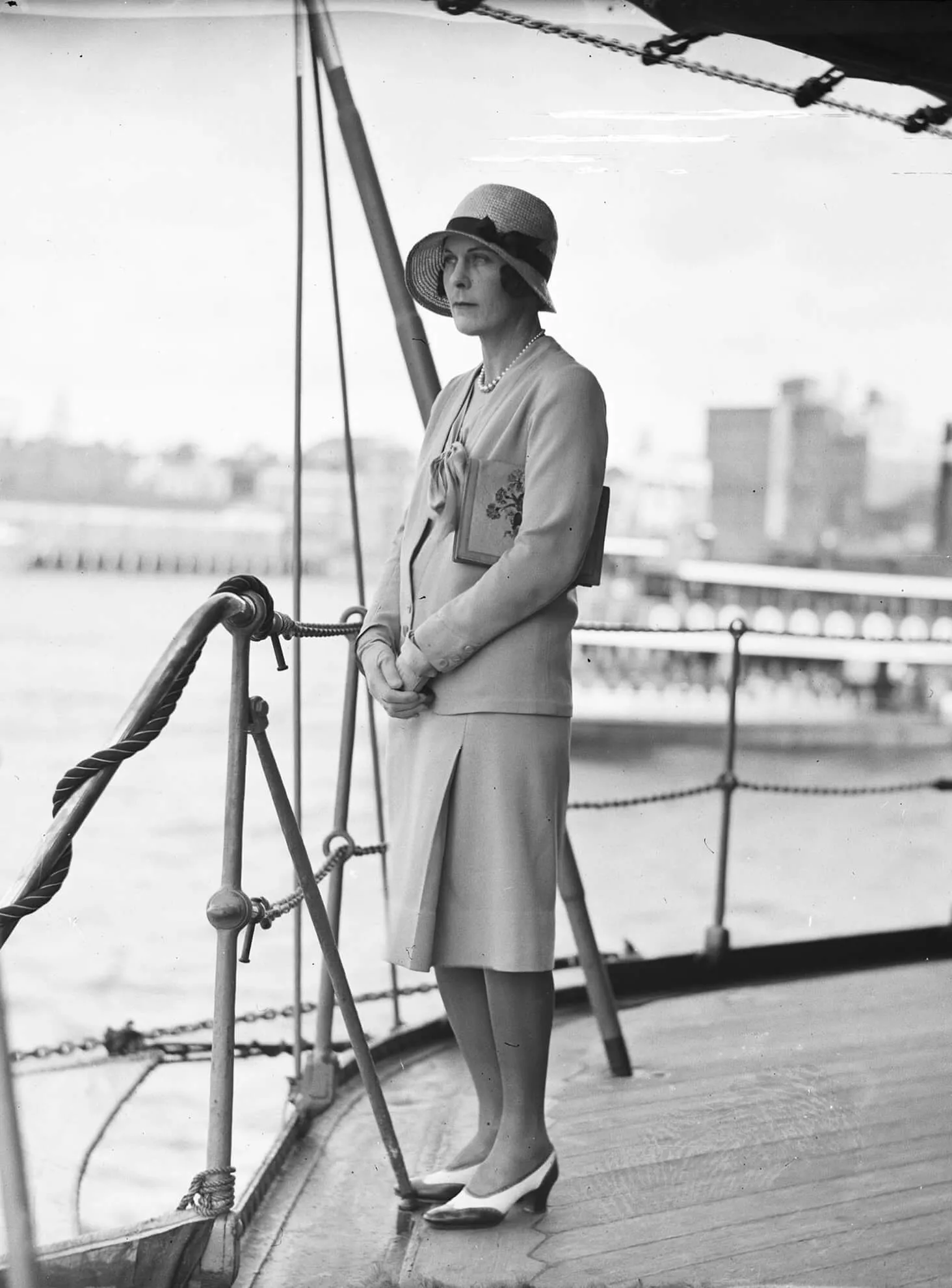
The cloche hat style did not disappear when the 1920s ended, it simply changed. Early 1930s cloches still sat close to the head, but they were often softer than the deep bell-shaped hats women had worn in the 1920s. Brims could turn upward, curve to one side, or leave more of the forehead showing.
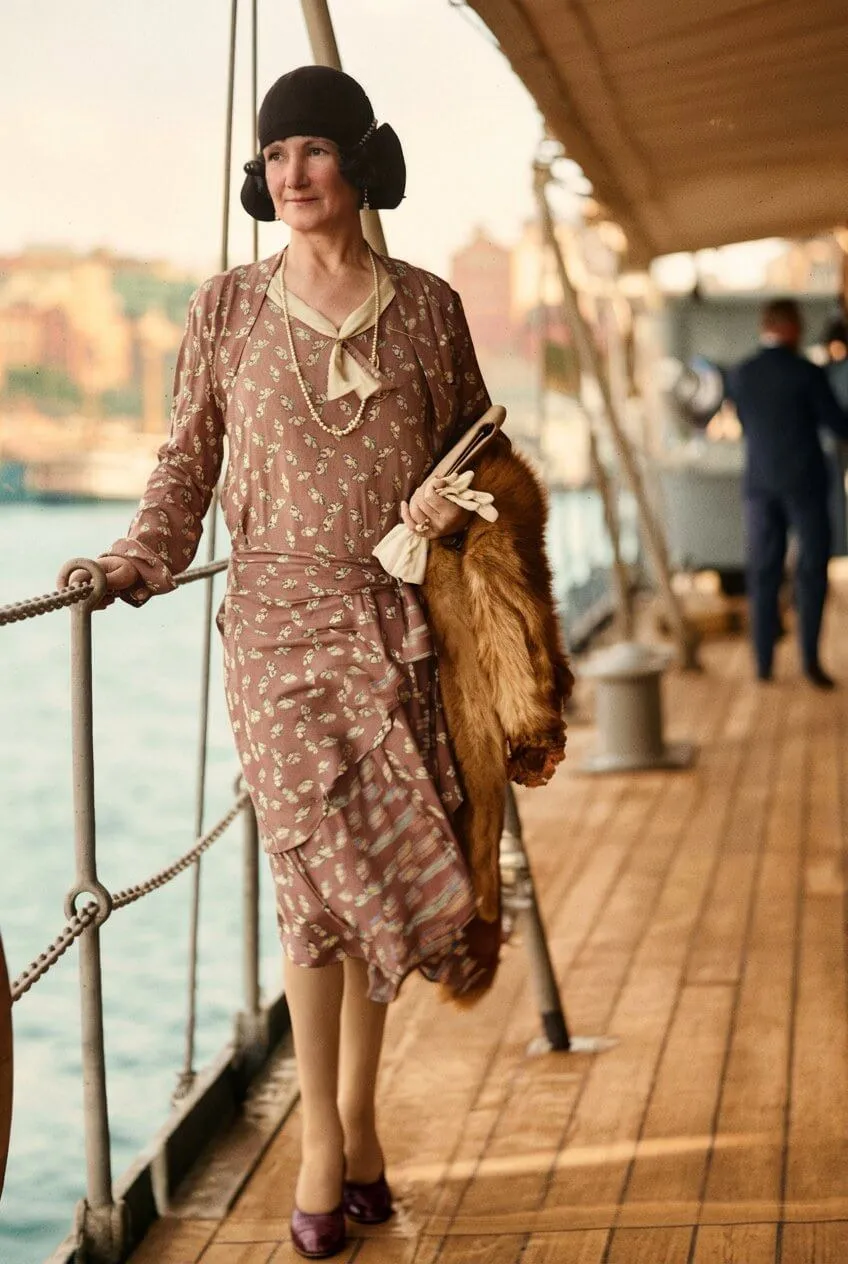
A 1931 issue of Washington’s Evening Star even talked about an uplifted cloche. The change also made sense because women’s hairstyles were becoming fuller. Waves and curls needed more room than the short, flat hairstyles of the previous decade.
Women could wear these newer cloches with coats, suits, and daytime dresses. Felt and light straw were common, with simple details such as ribbon, small bows, or felt flowers.
Greta Garbo was also linked with soft slouch-style hats, which helped keep this kind of hat looking glamorous.
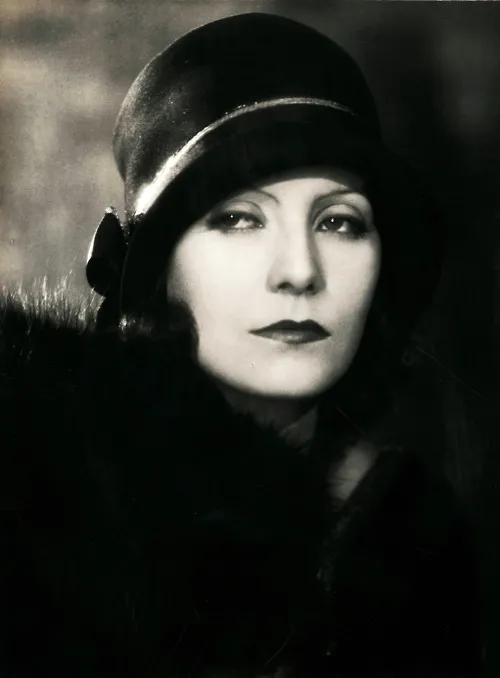
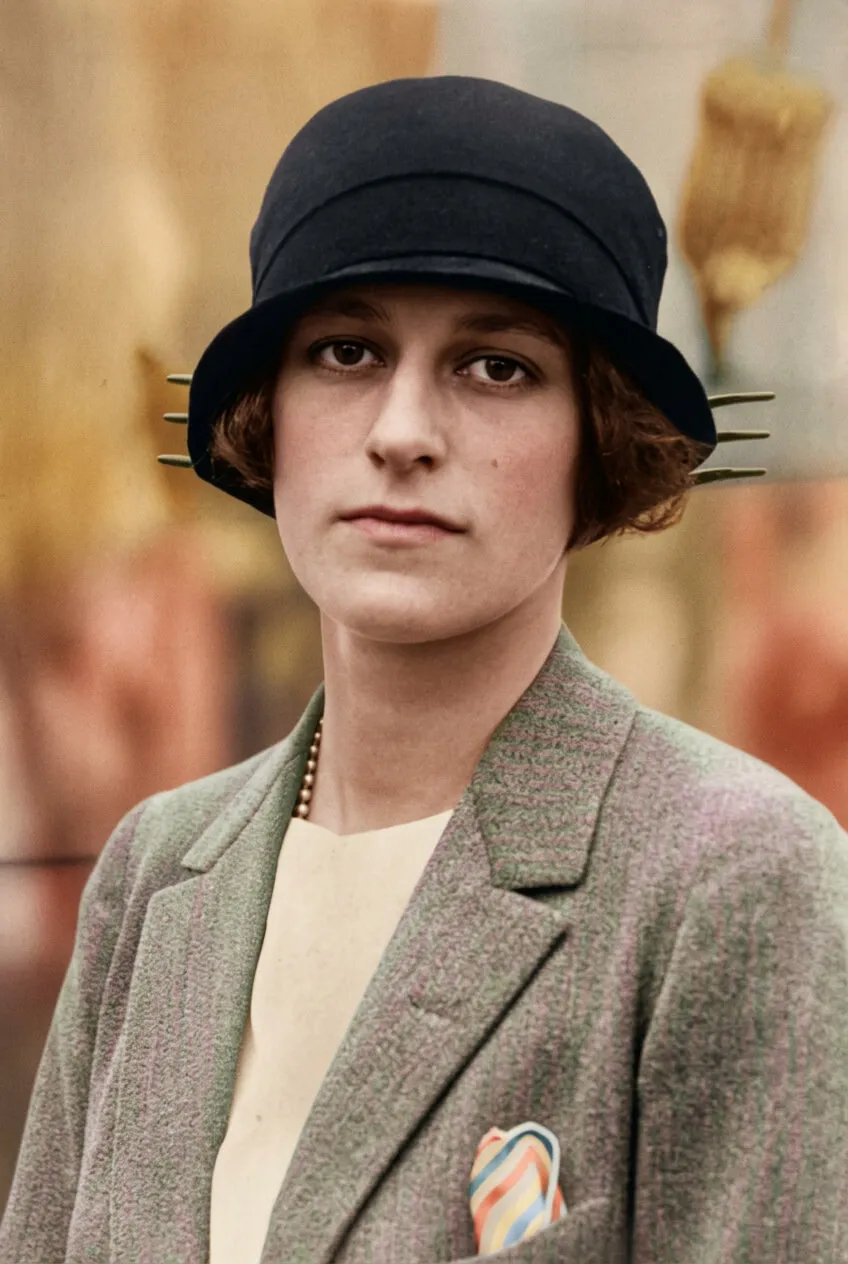
The cloche was familiar and practical, so women did not have to give it up just because a new decade had begun.
2. Beret and Madcap
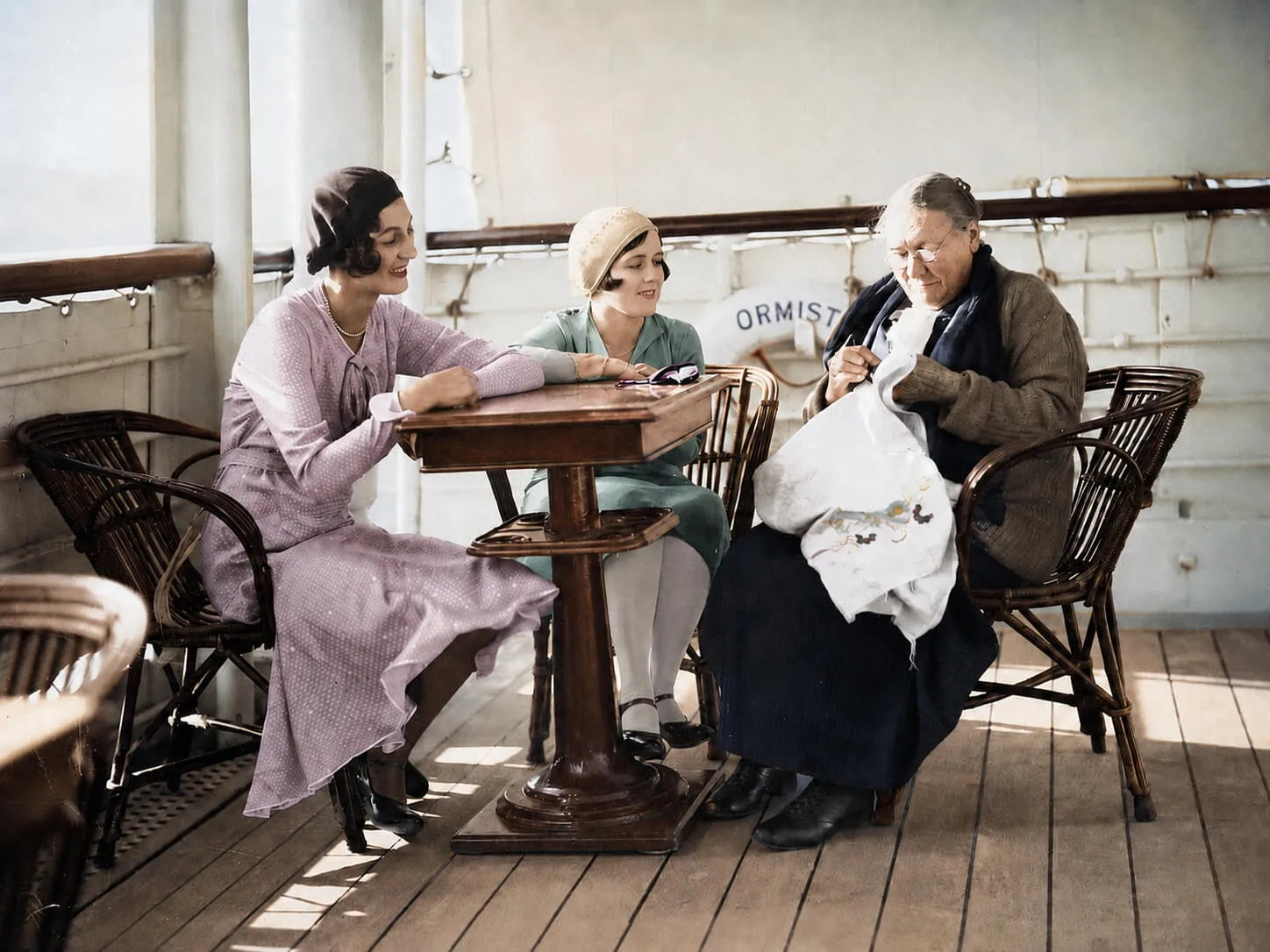
The beret gave women something completely different from the structured cloche. It was soft, easy to move around, and could be pushed back, raised at the crown, or tilted low over one eye. That flexibility was probably a big part of its appeal.
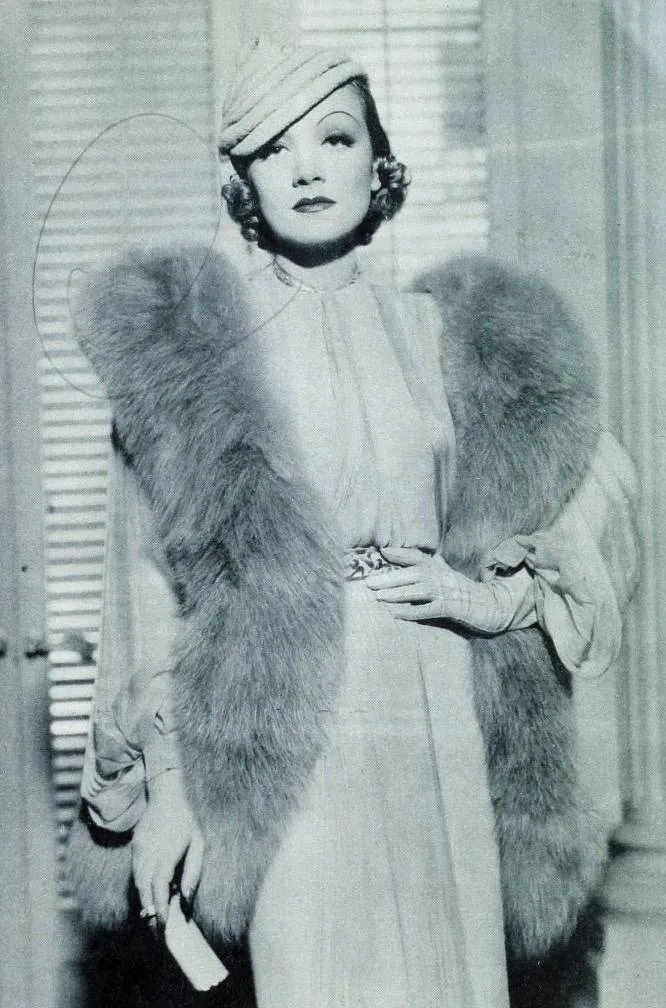
Famous hat designers loved playing with these shapes in the 1930s. For example, a 1936 photo shows actress Marlene Dietrich wearing a Lilly Daché hat that mixes both styles in an avant-garde way. The bottom of the hat leaves her ears completely open like a classic beret. However, if you look at the top, it features a sharp point that looks exactly like a miniature version of a mad cap! It is a clever, artistic combination of the two looks.
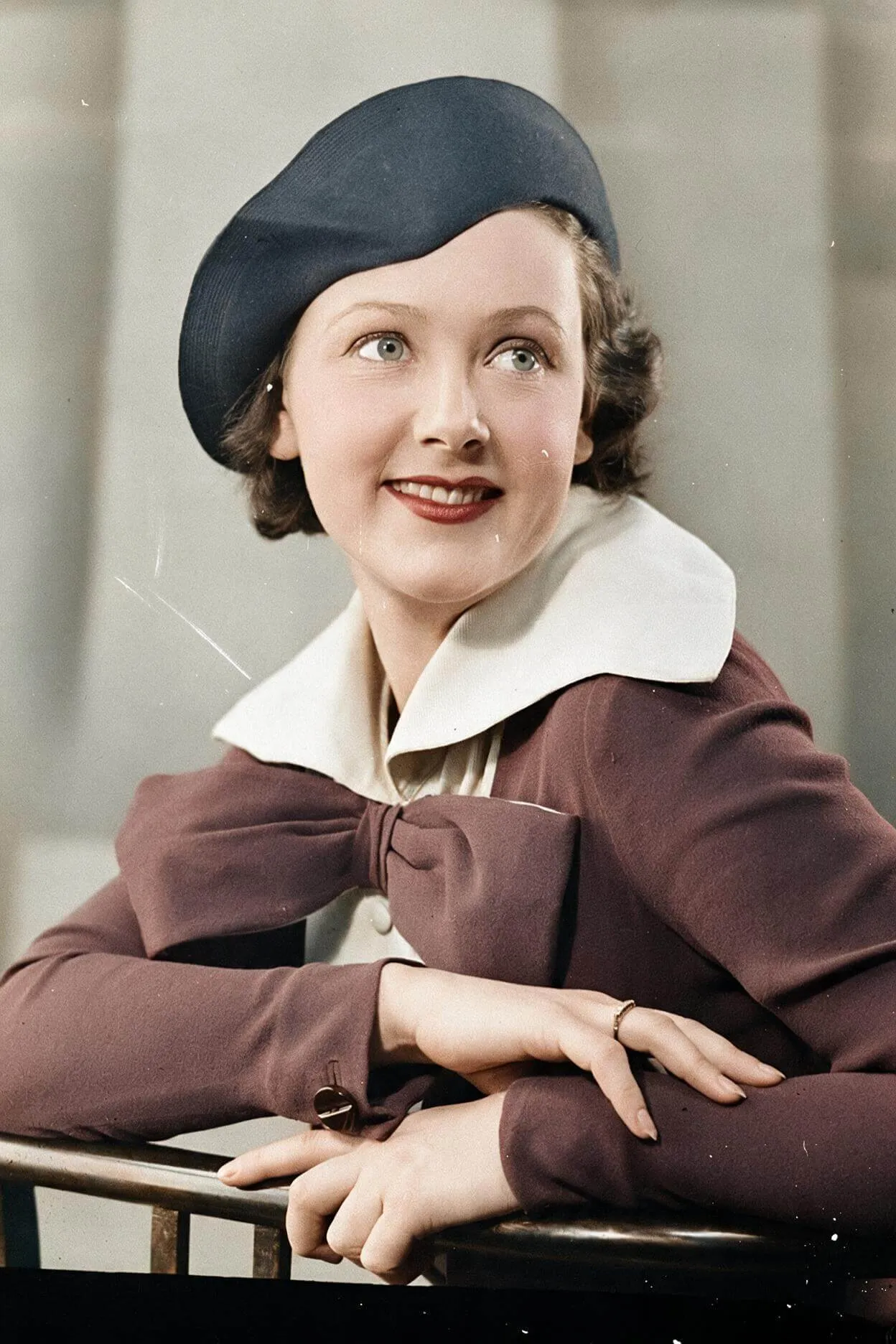
And then there was Elsa Schiaparelli’s Mad Cap, which took the idea of a soft hat much further. The Mad Cap was basically a knitted tube that could be pulled, twisted, folded, and shaped by the woman wearing it. Schiaparelli’s own fashion house describes it as something between a beanie and a tube hat.
There is actually a small date problem with the Mad Cap. Fashion histories often date its first appearance to around 1930, while Schiaparelli’s own modern history of the fashion house places it with her first group of Surrealist accessories in 1932. What is clear is that by the early 1930s it had become one of her best-known early designs.
The differences between Beret and Madcap
Feature | Madcap Hat | Beret |
|---|---|---|
Origin | Created as a 1930s high-fashion novelty by designer Elsa Schiaparelli. | Began as a traditional Basque peasant and military hat dating back centuries. |
Material | Primarily made of knitted or crocheted yarn, often with elastic fibers for stretch. | Traditionally made of woven, felted wool or structured fabric. |
Shape | Tubular or pointed shape with closed ends that can be pulled, twisted, or folded. | Flat, circular, and symmetrical with a distinct brimless headband or sweatband inside. |
Styling | Malleable and customizable; the wearer dynamically changes its form by tugging the points. | Slouched to one side or worn flat on top of the head, keeping its uniform round crown. |
Women could wear these hats with skirts, sweaters, coats, or tailored suits. And because some knitted versions could even be made at home, the style could be much more accessible than elaborate millinery.
Marlene Dietrich also wore berets with masculine-inspired clothing, which gave the hat a wonderfully confident look.
3. Eugénie and Tilt Hat
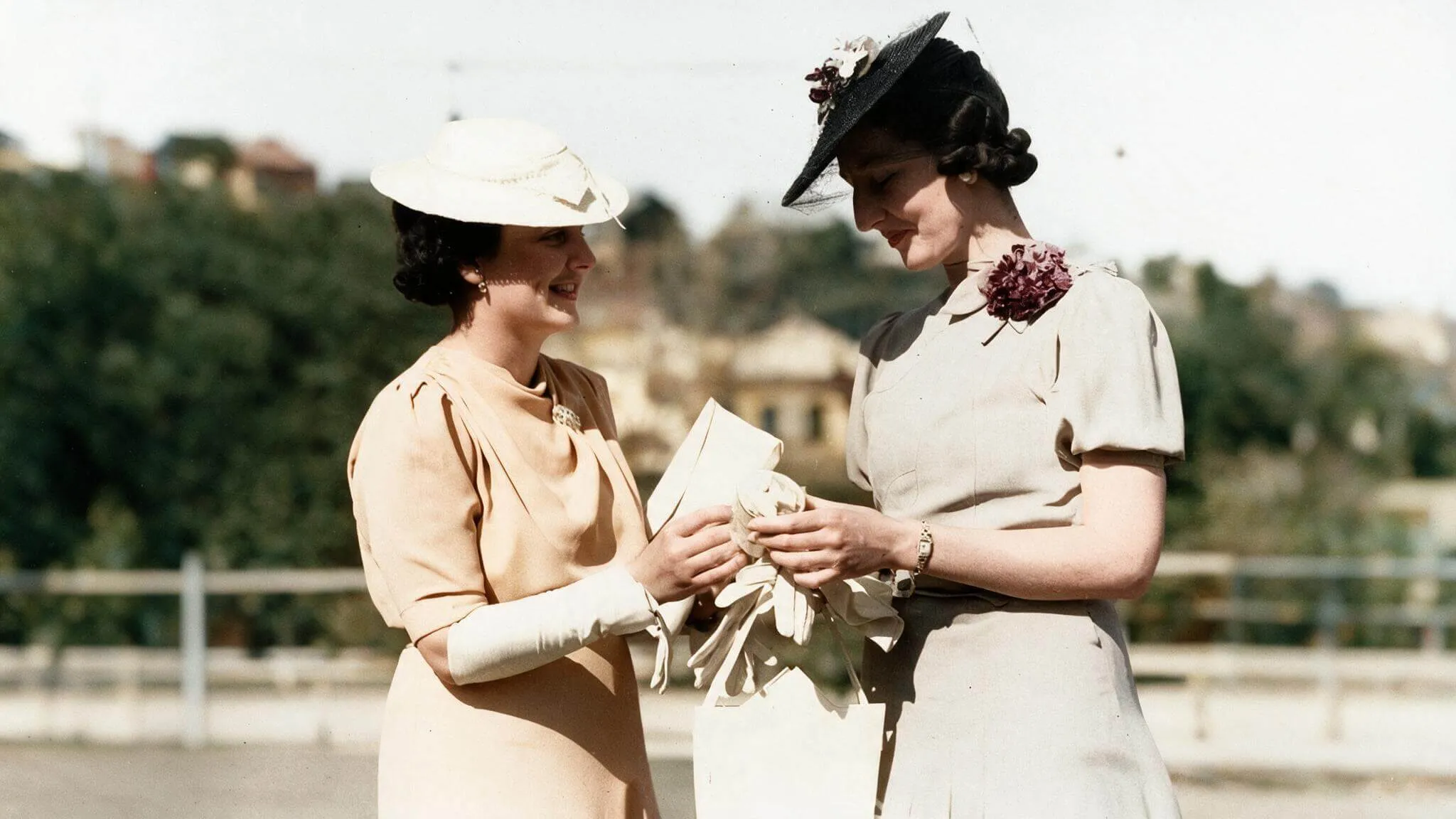
If you want a hat that immediately looks like 1930s glamour, the tilt hat is a good candidate. Instead of sitting neatly in the center of the head, these small hats were deliberately pushed forward or to one side. Some came down over an eyebrow or even partly covered one eye.
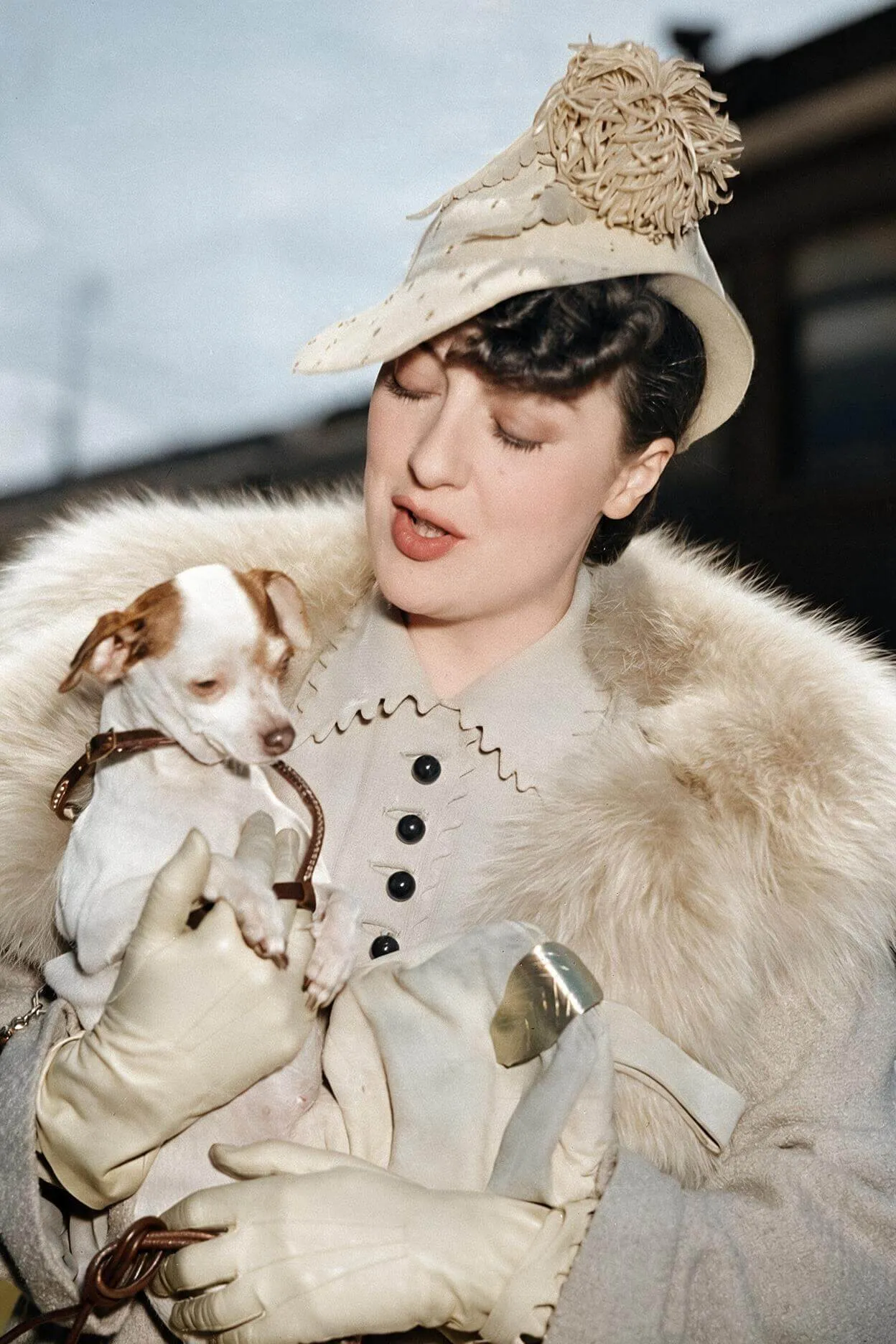
The Eugénie hat was one of the best-known versions. Its name came from Empress Eugénie of France, but the 1930s interpretation was anything but old-fashioned. Greta Garbo wore an Eugénie-inspired hat in the 1930 film Romance, and Hollywood helped turn dramatic tilted hats into fashionable accessories.
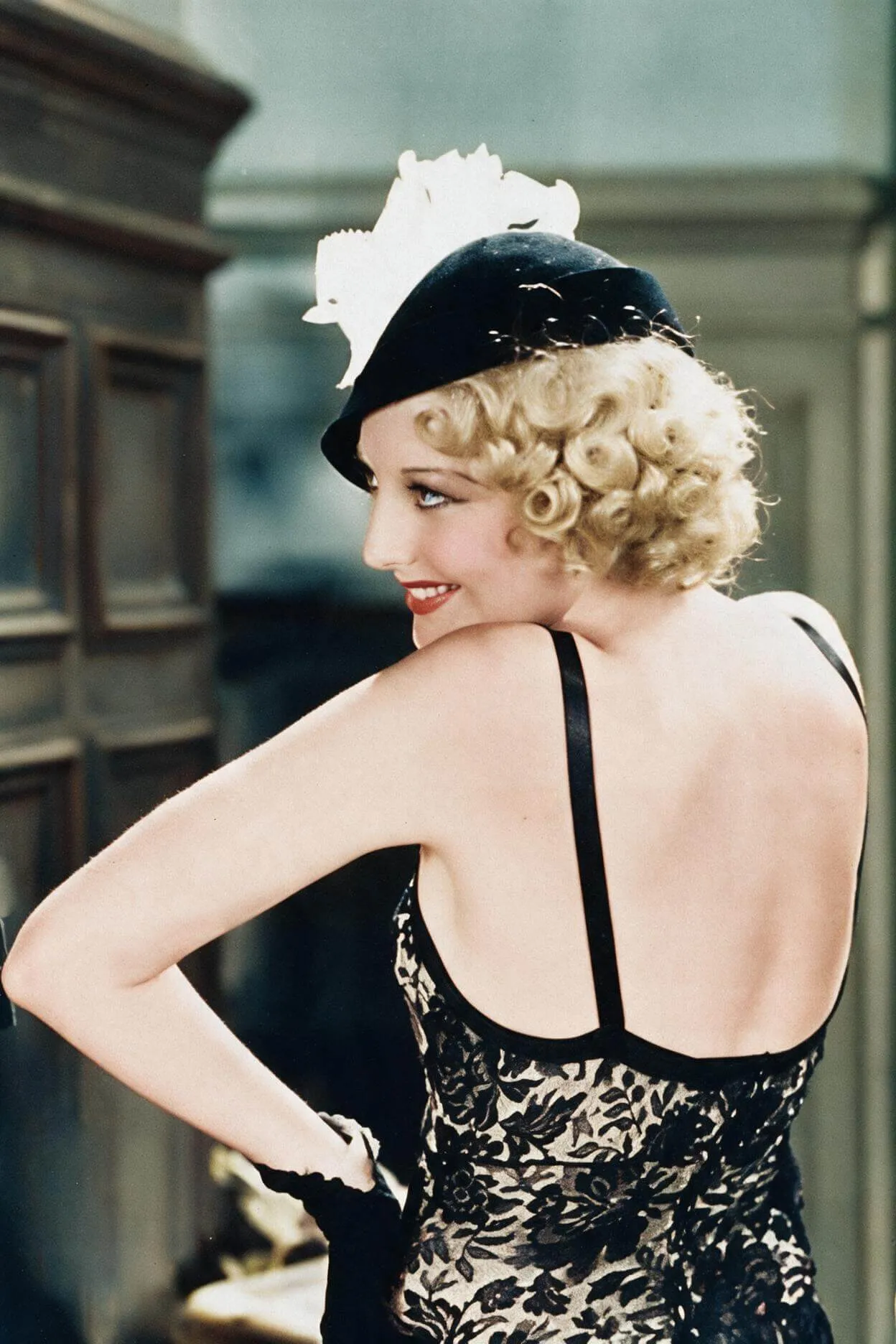
Felt and velvet worked especially well because they could hold sculpted shapes. A feather, veil, ribbon, or bow could make a tiny hat look much more dramatic. And that was really the trick: the hat did not have to be large. The angle created the drama.
4. Turban
The turban created another completely different shape. There was usually no traditional brim. Instead, fabric appeared to wrap, fold, or sweep around the head.
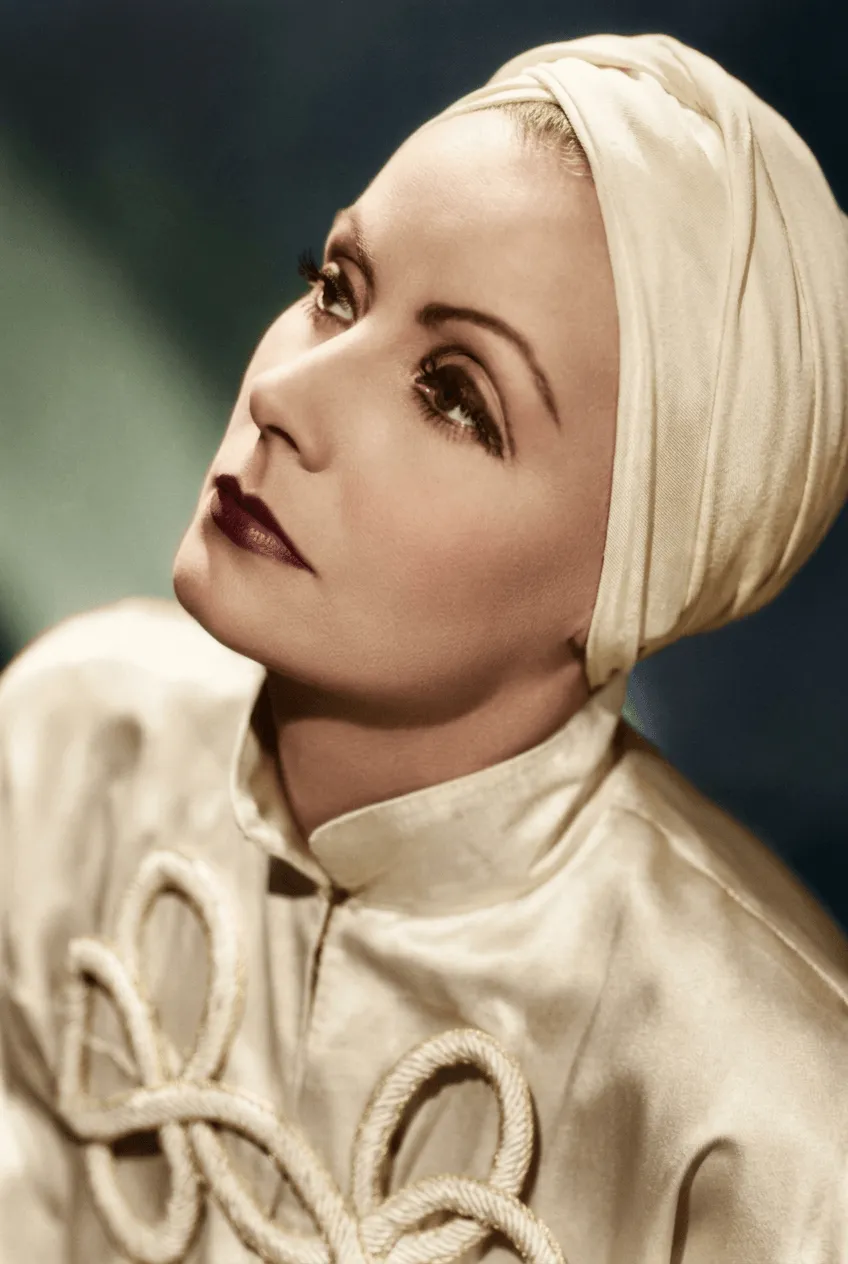
Some turbans were genuinely soft and wrapped-looking. Others recreated the same shape in more structured materials.
For evening wear, they could be beautiful. Velvet, brocade, lamé, metallic fabrics, and richly textured cloth all appeared in period fashion. A brooch or decorative pin could add one small point of sparkle. The turban also worked well because it stayed fairly close to the head while still looking dramatic.
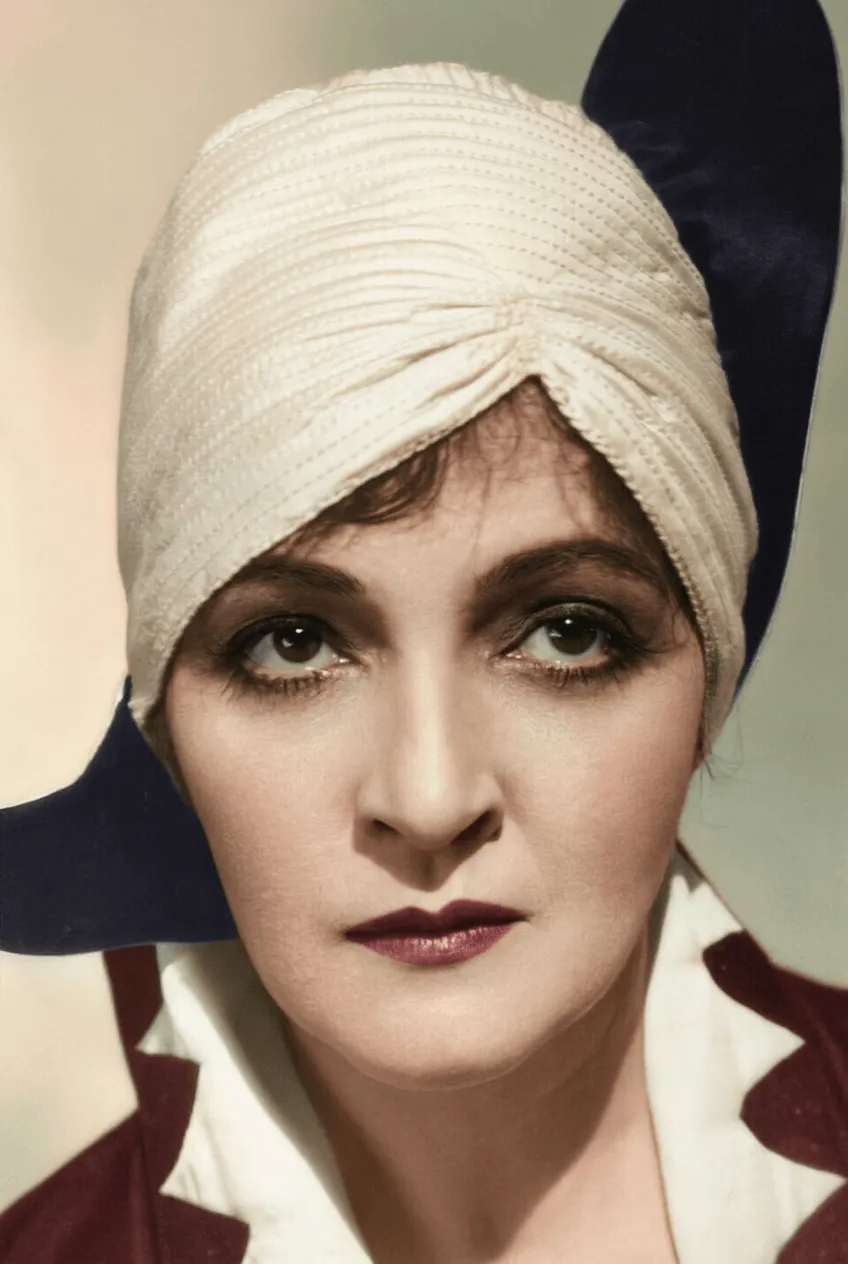
A 1932 Daily Alaska Empire fashion page described a black velvet turban, showing that the fashion was being discussed far beyond New York and Hollywood. Old newspaper OCR can be messy like that.
5. Picture and Cartwheel Hat
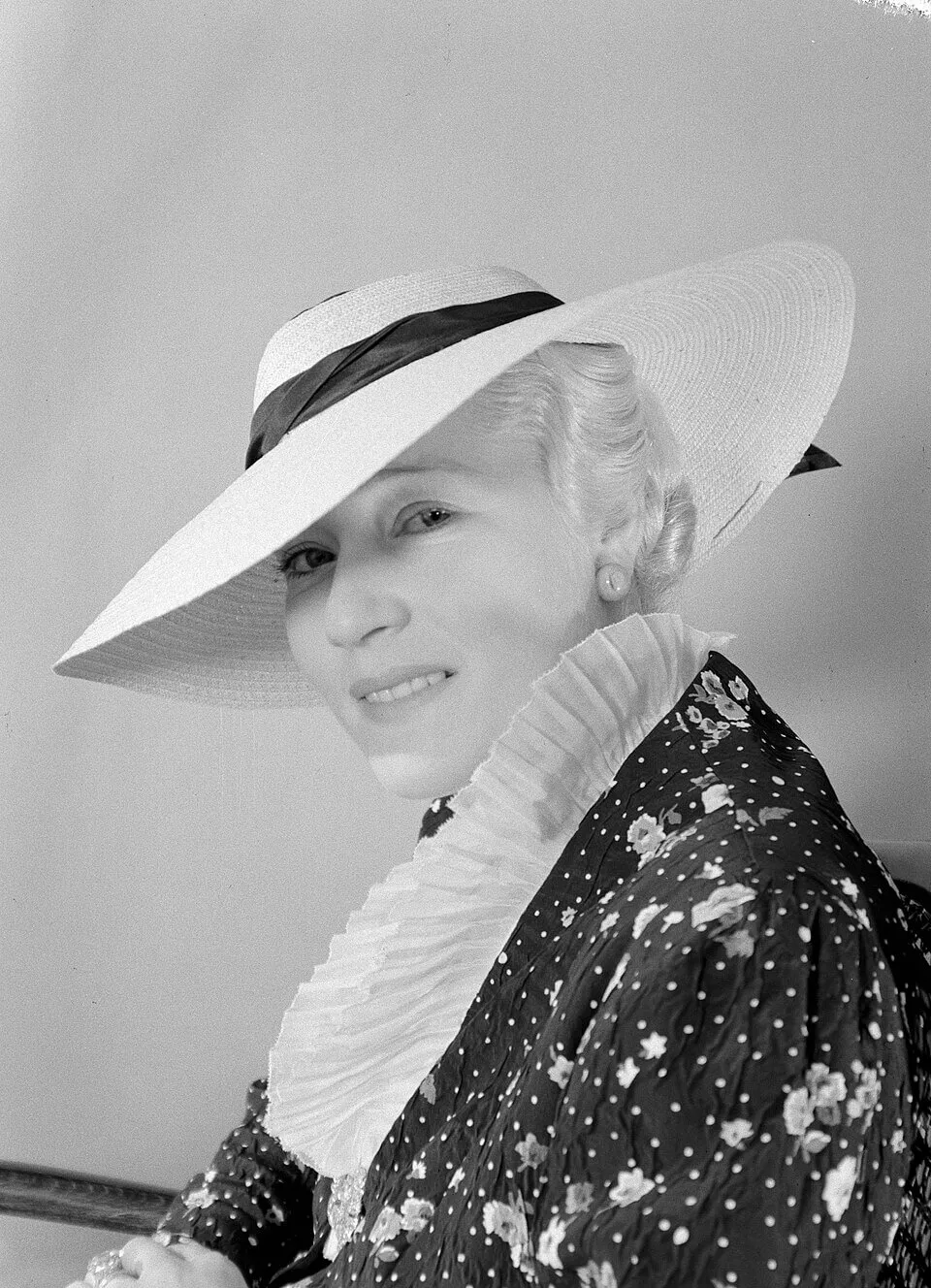
Now we go from a hat that hugs the head to one that seems to take up half the room. Picture hats had large, wide brims that framed the face. Cartwheel hats used a similarly broad circular shape.
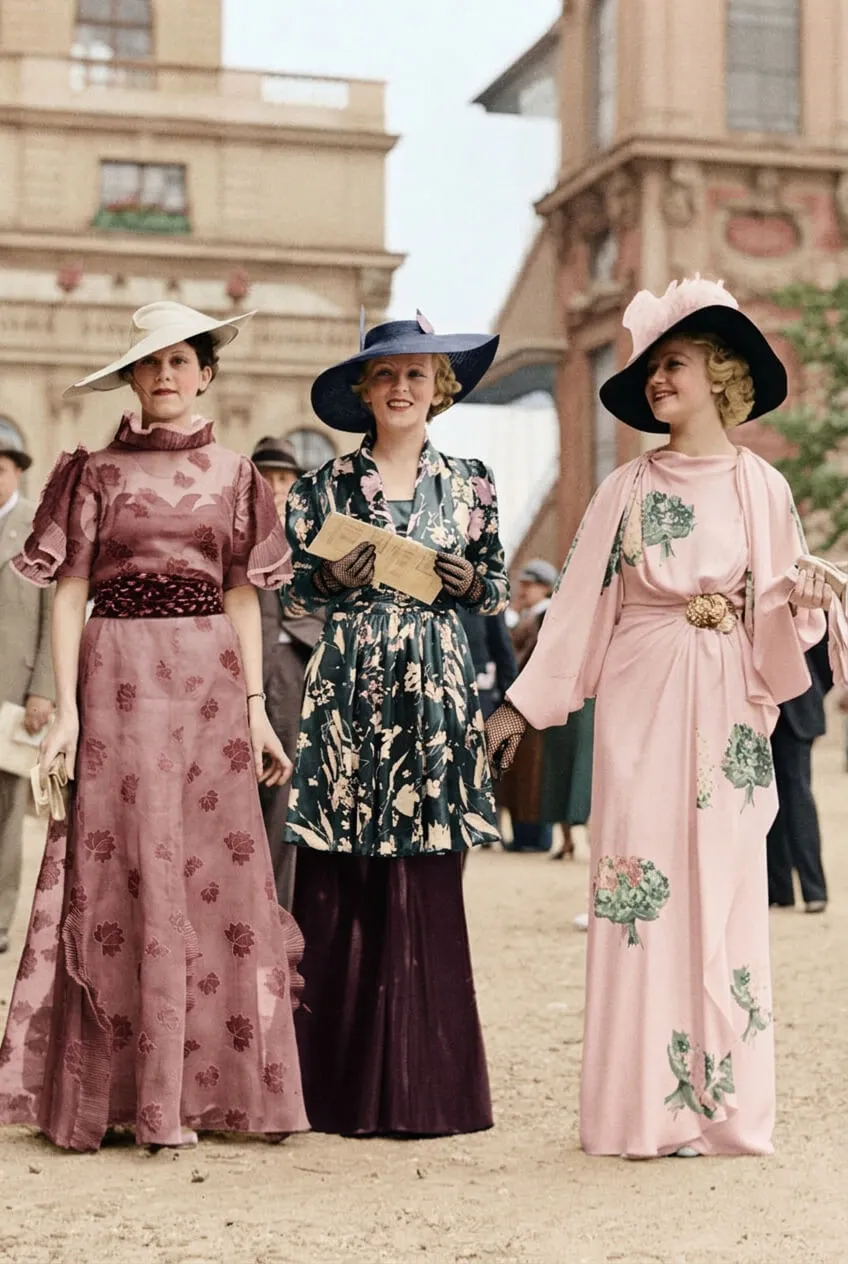
They could be wonderfully theatrical. A 1935 picture hat by Sally Victor in the Metropolitan Museum of Art has a large stiff brim made with straw, linen, and silk, with roses and dotted veiling beneath it.
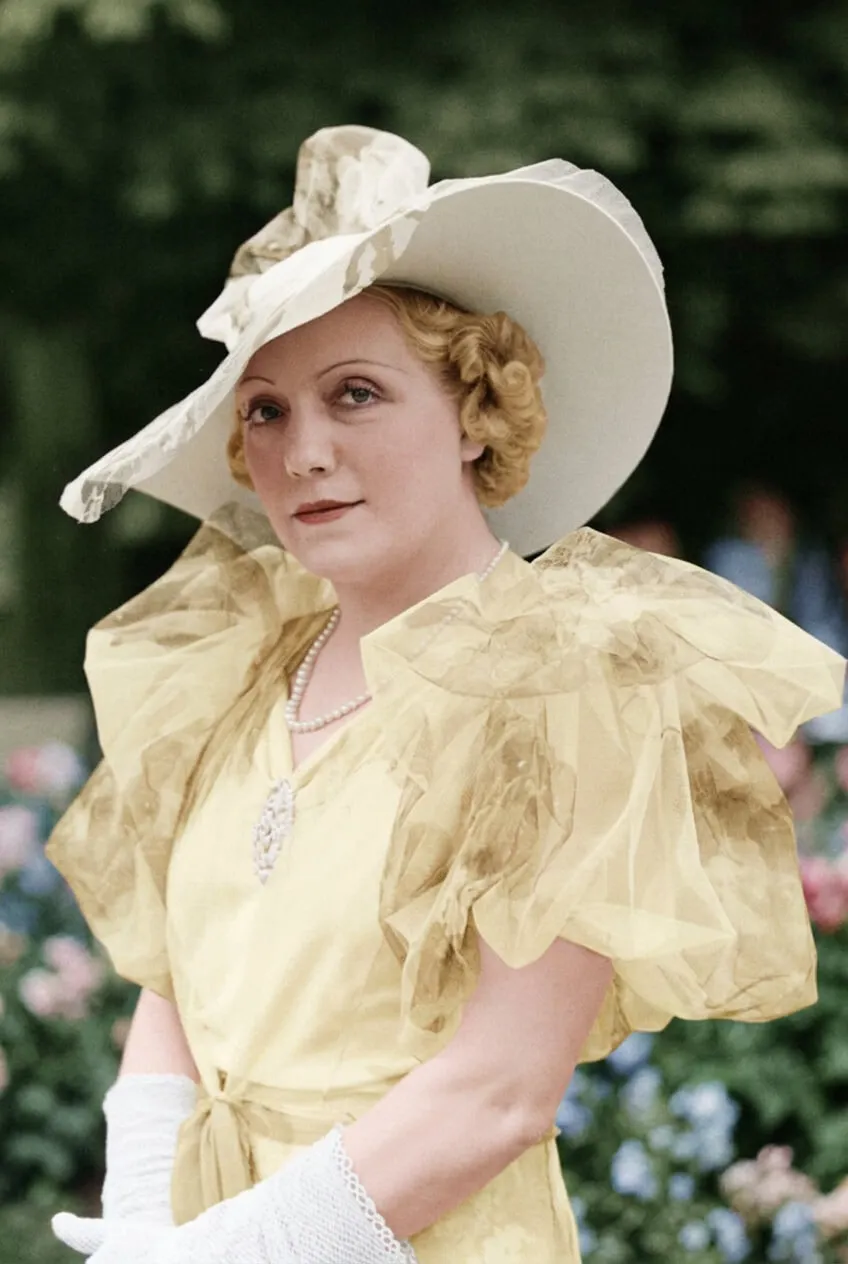
Straw was especially useful for broad summer hats because it allowed designers to create width without making the hat impossibly heavy. Ribbon, silk flowers, veiling, and feathers could then be added.
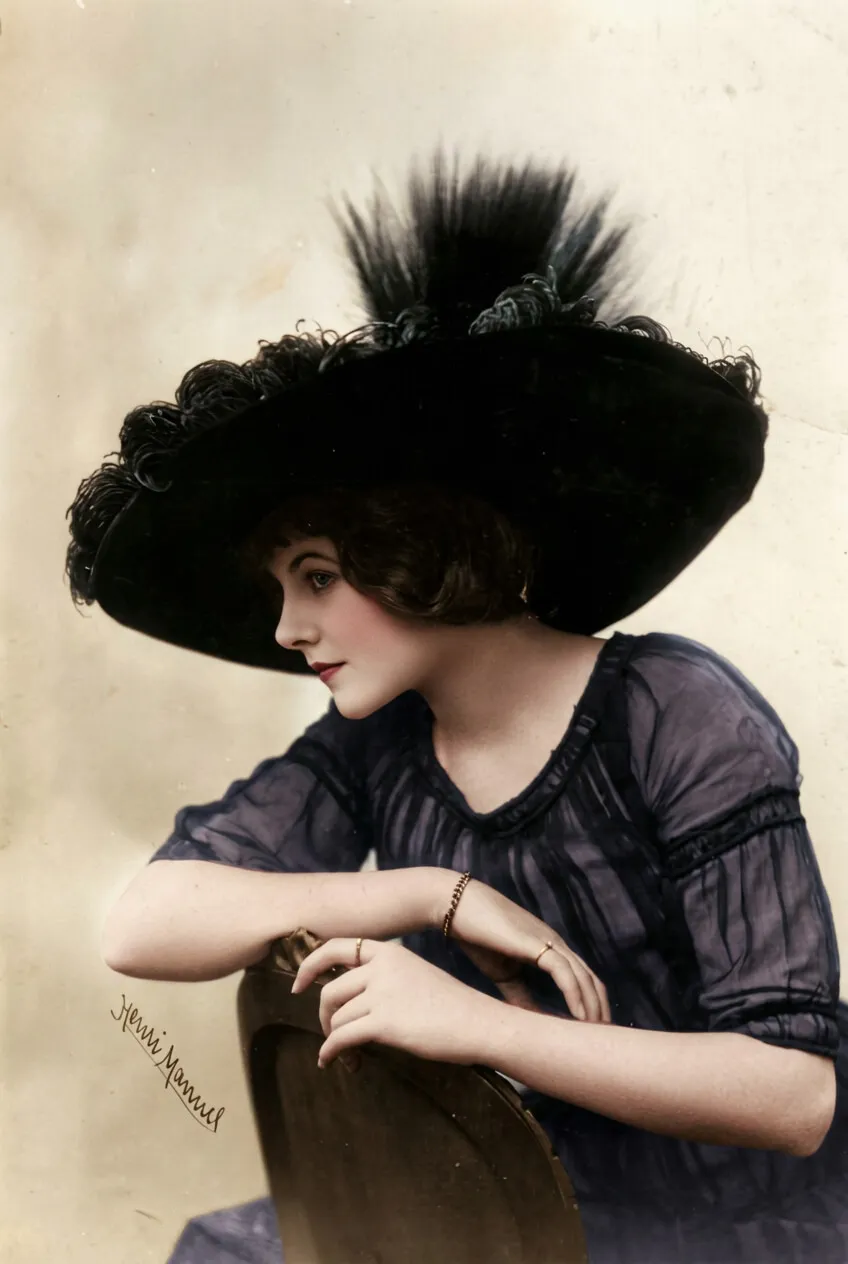
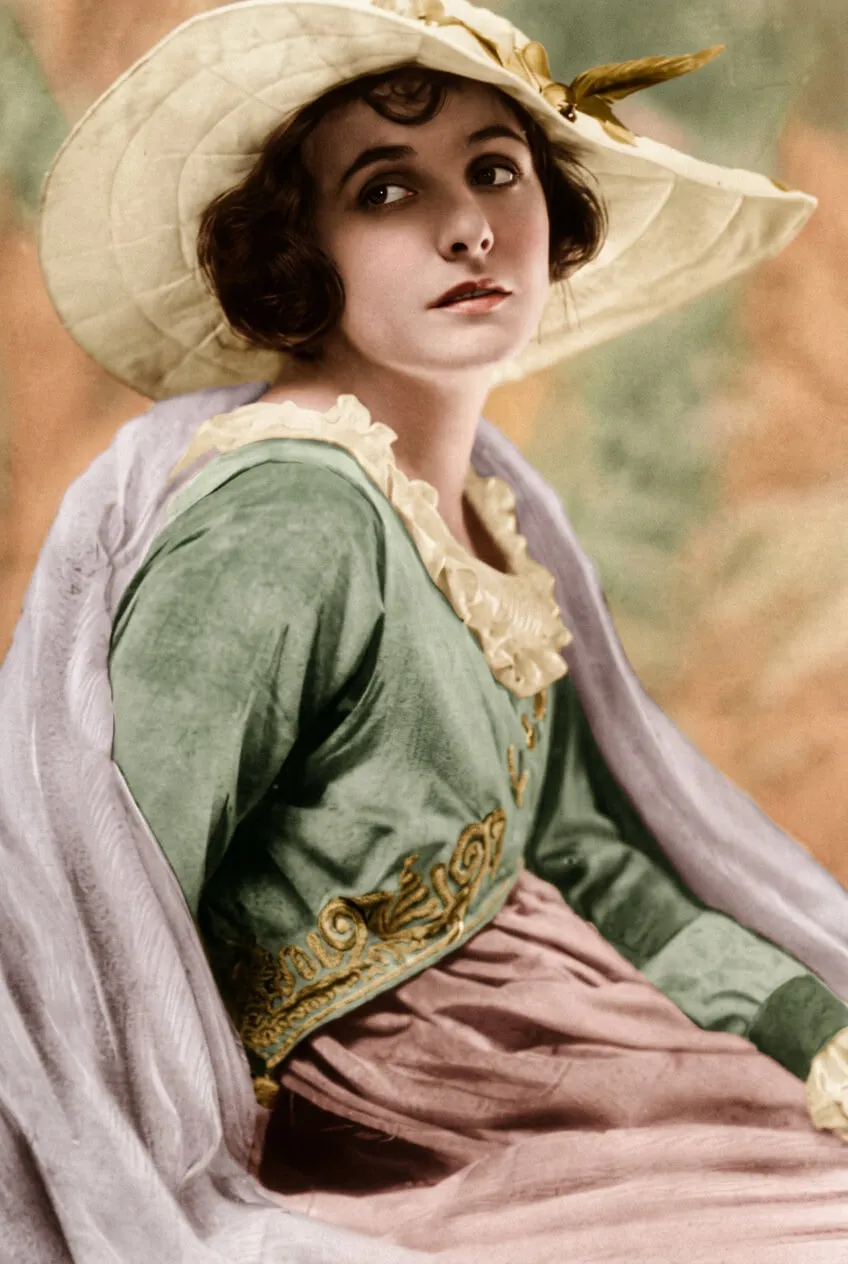
Wide brims had a practical advantage too: they provided shade. Picture hats looked especially natural with summer dresses and dressier daytime clothing. They were associated with occasions such as garden parties and race meetings.
6. Fedora and Man-Tailored Hat
This may be my favorite surprise on the list. Women borrowed several hat shapes traditionally associated with men during the 1930s, including bowlers, boaters, Homburgs, Panamas, and fedoras.
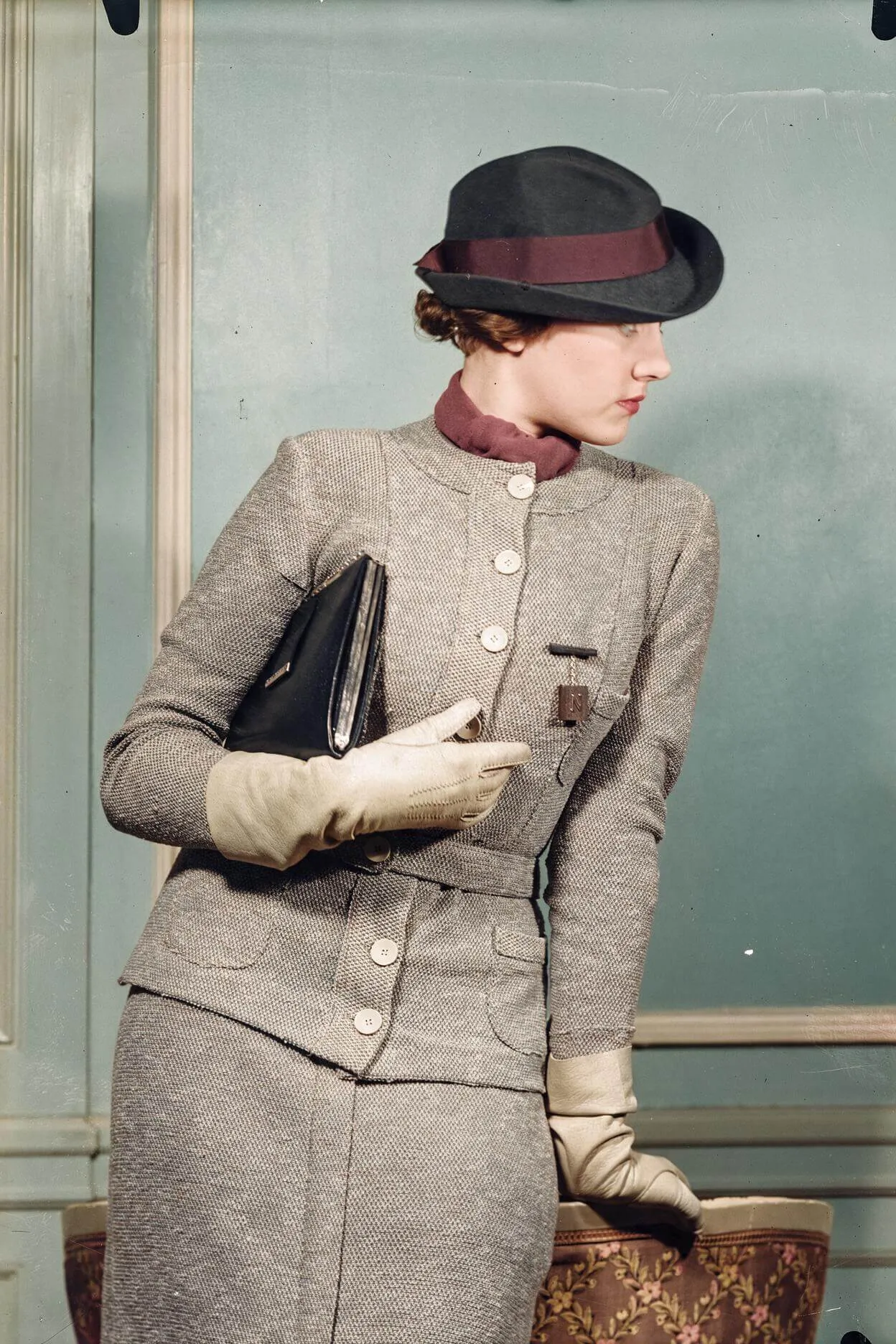
But they did not necessarily wear an ordinary man's hat unchanged. Women's fedoras could be tilted, softened, reshaped, made taller, or given more dramatic folds. They looked especially good with the tailored suits women were wearing during the decade.
Designer Sally Victor created a particularly interesting fedora-inspired hat in 1933 using banker’s-gray felt. The Met describes it in connection with the “man-tailored” suits fashionable for women at the time.
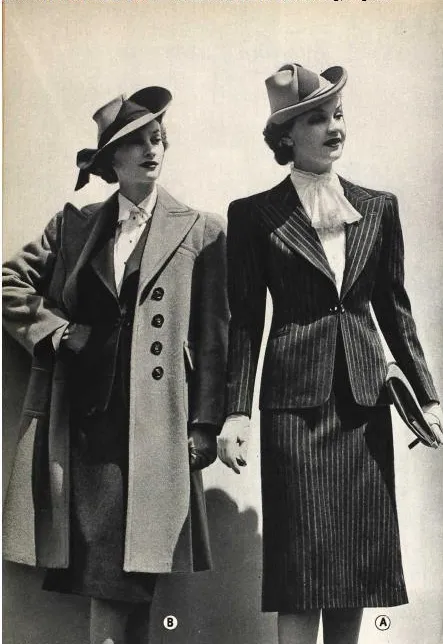
The period newspapers give us an excellent price too. Unlike some of the questionable OCR prices, this one is clearly connected with the hat.
7. Halo and Off-the-Face Hat
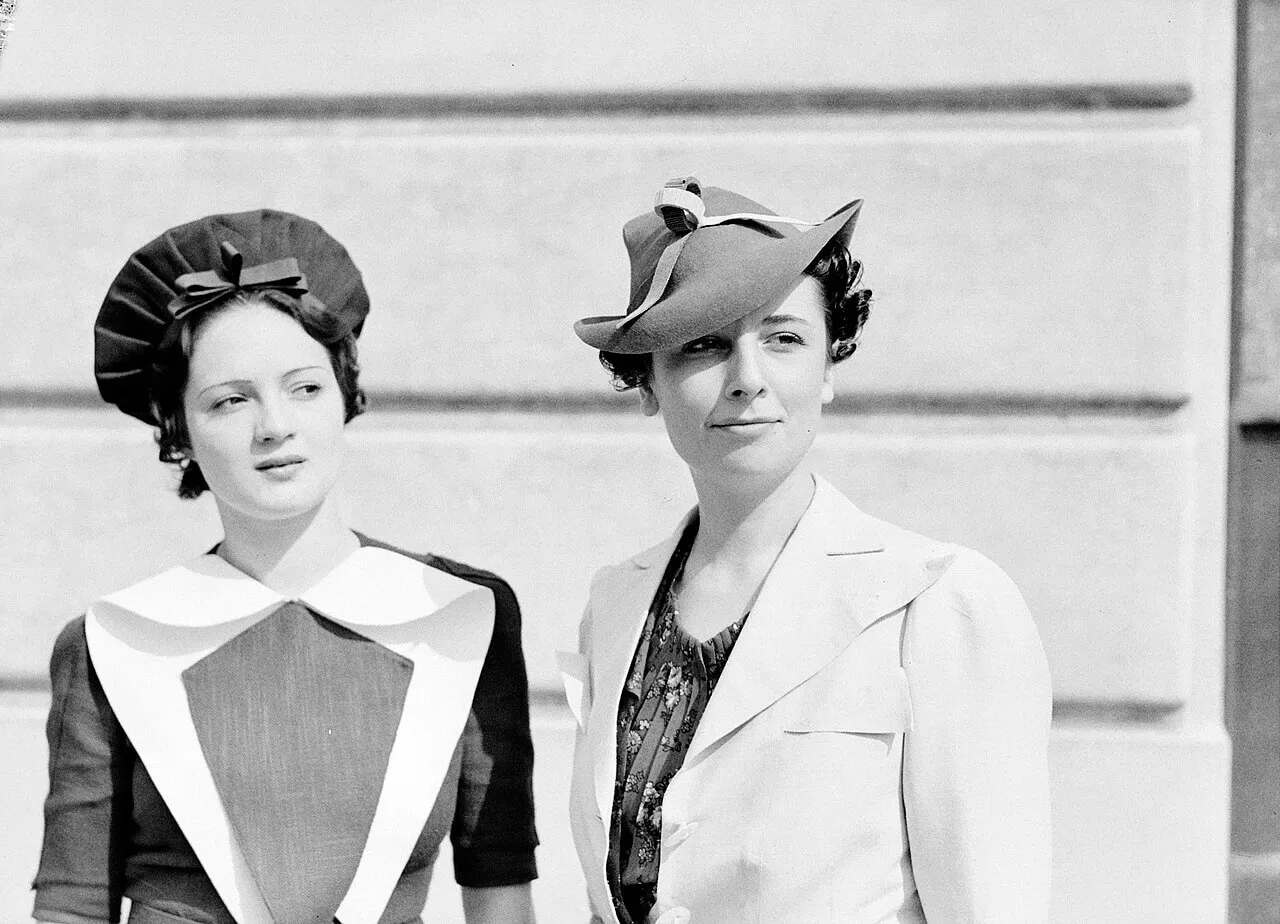
By the middle and later years of the decade, women increasingly wanted their hairstyles to be seen. That helped hats move backward.
Halo hats and other “off-the-face” styles framed the head instead of covering the forehead. The front curls and waves remained visible, making the hair part of the design. The term was not invented later by fashion historians either.
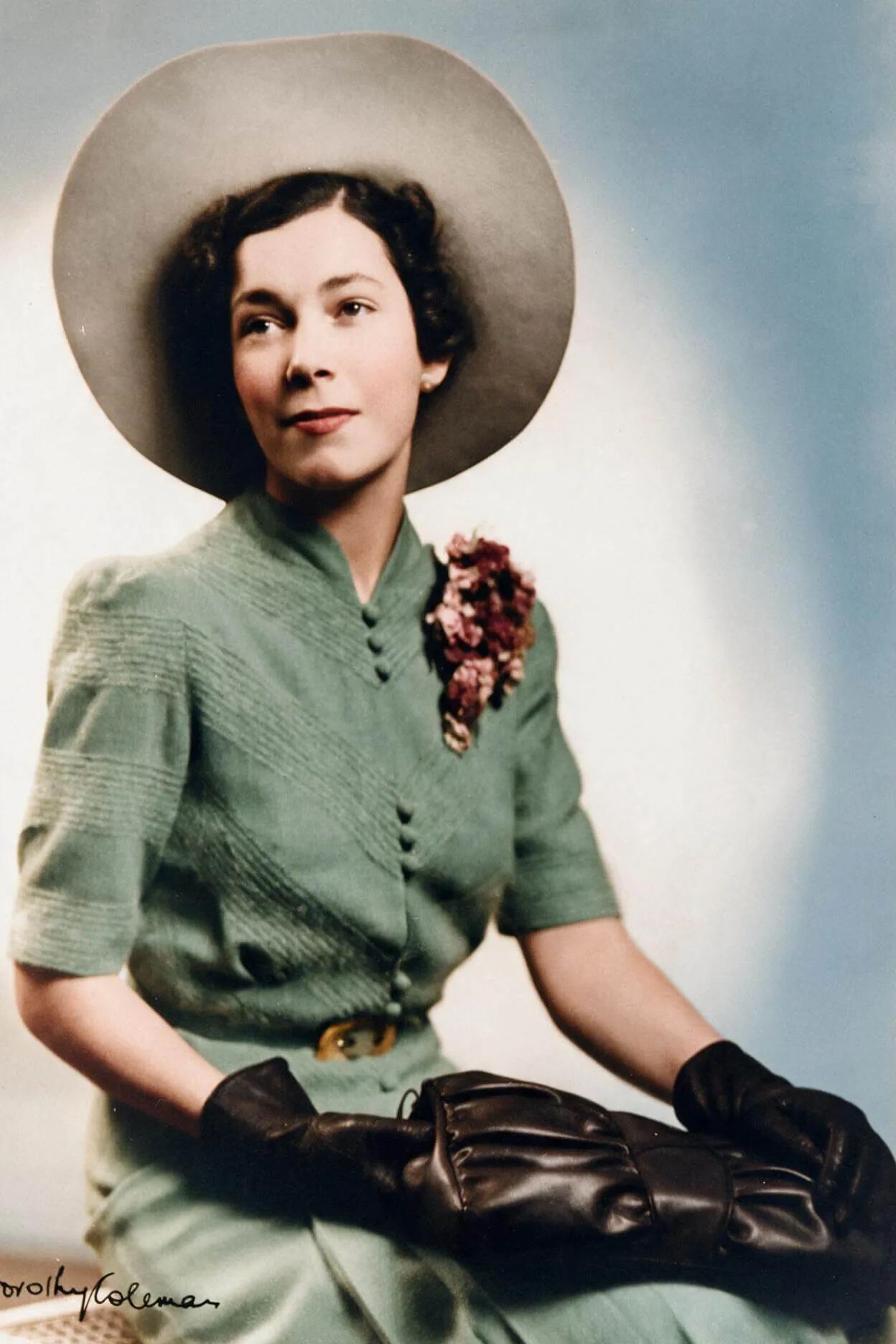
That is one of those little newspaper details I love because it suddenly makes fashion history feel less distant. These were not museum pieces yet. They were things women could see advertised, consider buying, and wear out the door.
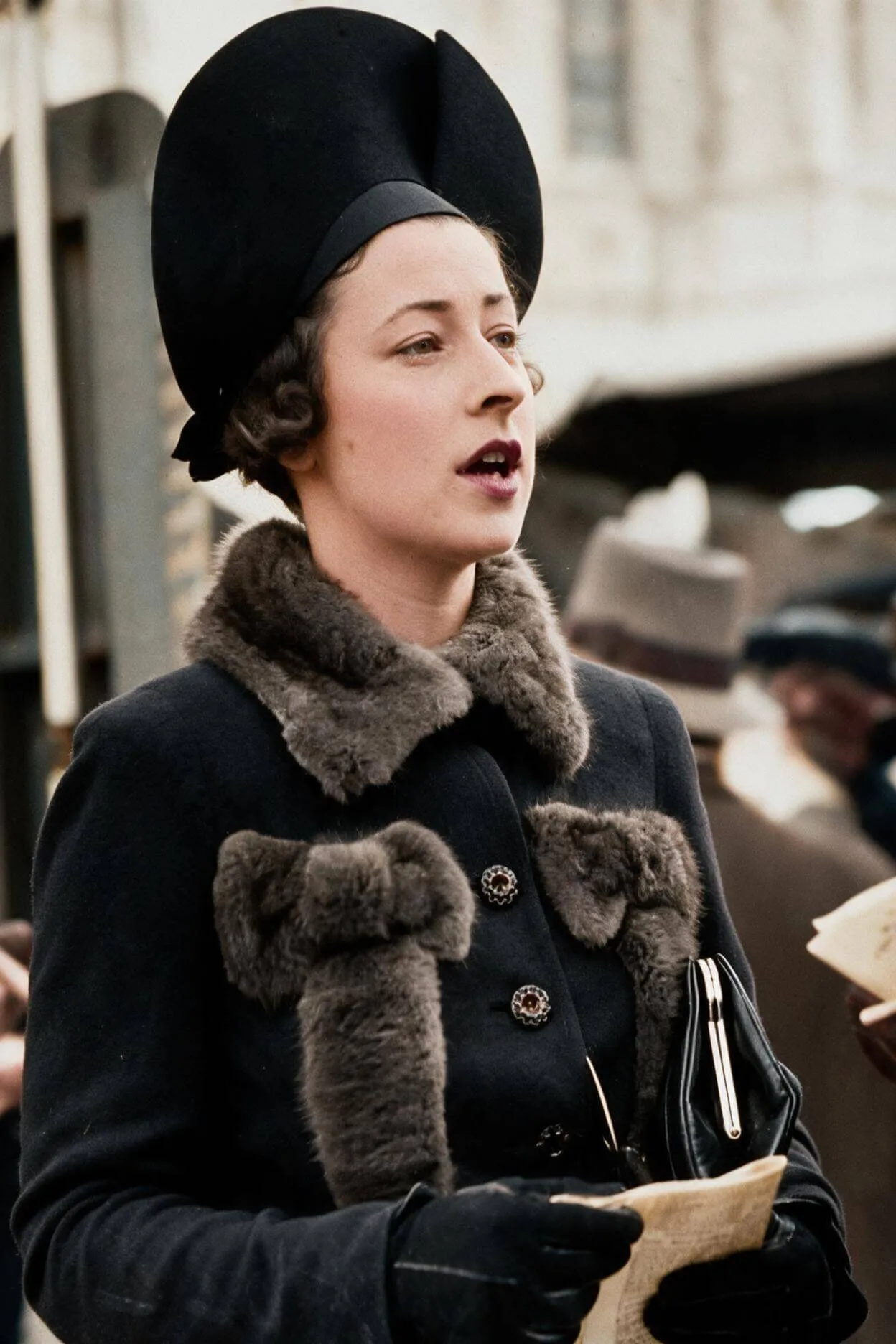
Felt and straw were both used for off-the-face styles, while ribbon, flowers, veiling, and other small decorations could soften the outline.
How Much Did a Fashionable Hat Cost?
The surviving newspaper advertisements also show that there was no single price for a fashionable 1930s hat.
We have three especially clear examples from the research:
Hat | Year | Advertised Price |
|---|---|---|
Beret | 1934 | $1.95 |
Halo Hat | 1934 | $2.95 |
“The 1933 Fedora” | 1933 | $3.75 |
These are only three newspaper examples, so they do not tell us what every hat cost.
Prices could change depending on the material, maker, store, and quality. But these ads are useful because they show real prices women saw in newspapers at the time rather than modern guesses.
One Decade, Many Different Hats
Put these seven styles next to each other and you can see how much women’s hats changed during the 1930s.
The cloche carried part of the 1920s look into the new decade. Berets gave women something softer and more relaxed. Tilt hats created that glamorous one-eye look. Picture hats became large and dramatic, while fedoras borrowed from men’s fashion. By moving hats farther back, halo styles also let women show off their curls and waves.
There really was no single hat that represented the whole decade. And maybe that is what makes 1930s hat fashion so fun to look at. A woman could choose something small and simple one day and something impossible to ignore the next.
Which of these seven hats would you have worn in the 1930s? Leave a comment below and tell us your favorite.
Video credits:
Netherlands Institute for Sound and Vision, CC BY-SA 3.0 NL via Wikimedia CommonsPolygoon-Profilti (producer) / Netherlands Institute for Sound and Vision (manager), CC BY-SA 3.0 NL, via Wikimedia Commons
Selected scenes were trimmed and combined, reformatted to 16:9, and text and background music were added.
Comments · 0
Sort
Be kind — comments are public and follow the community guidelines.